Author: Cekat AI

  • 5 Operational Signs Your Business Needs an Integrated CRM Program

    5 Operational Signs Your Business Needs an Integrated CRM Program

    Key Advantages

    • Early detection of critical operational inefficiencies across sales and support functions.
    • Financial evaluation framework for revenue leakage caused by delayed lead response times.
    • Performance comparison matrix: manual spreadsheets vs unified commercial platforms.
    • Centralized customer database strategies to measurably improve conversion rates.

    Growth in transaction volume and inbound inquiries often becomes a bottleneck when internal operational infrastructure fails to scale. In manual operating environments, commercial teams frequently spend over 60% of their workday on repetitive administrative tasks, while prospective buyers abandon deals due to delayed follow-up responses.

    This operational friction necessitates adopting a unified crm program to serve as the centralized command center for customer interactions. Identifying operational breakdown indicators early allows leadership to protect profit margins before experiencing severe revenue leakage.

    1. Declining Response Speed and Inbound Message Backlogs

    When an enterprise receives hundreds of multi-channel inquiries daily, initial response latency often stretches from minutes into hours. This operational lag degrades closing probability because modern buyers demand immediate informational clarity. In-depth context regarding communication speed can be explored in our breakdown on fast response meaning.

    Without automated message ingestion systems, frontline representatives struggle to separate high-priority opportunities from routine queries. Consequently, high-intent prospects remain unattended during critical decision windows.

    2. Prospect Leakage from Fragmented Records

    Relying on decentralized spreadsheets introduces data silos. When customer notes remain scattered across individual representative hardware, commercial leadership loses visibility over active deal progression.

    This risk peaks during employee transitions. Without an immutable central data repository, historical interaction context, custom pricing structures, and buyer preferences depart alongside departing personnel, disrupting account continuity.

    3. Internal Friction from Overlapping Representative Outreach

    In the absence of systematic lead distribution rules, multiple sales representatives frequently contact the same prospect concurrently, or conversely, high-value quotation requests go completely unassigned. Such miscoordination damages corporate credibility in competitive markets.

    Modern crm tools prevent these anomalies through rule-based round-robin routing and territory assignments, ensuring every prospect has a transparently designated account owner on the centralized dashboard.

    Operational Metric Manual Frameworks (Spreadsheets/Basic Chat) Unified CRM Program Ecosystem
    First Response Time Slow, prone to compounding multi-hour backlogs Instant via automated chat workflows and bots
    Lead Allocation Manual, high risk of internal rep collision Automated based on capacity and skill parameters
    Deal History Tracking Siloed on personal employee devices Archived on a centralized real-time timeline
    Pipeline Reporting Accuracy Subject to human error and reporting lag Automated, based on verified live transaction data

    4. Inability to Accurately Score and Prioritize Inbound Opportunities

    Not every inbound business inquiry carries equivalent conversion potential. Treating every prospect with identical priority wastes valuable commercial labor on unqualified leads.

    Organizations require automated qualification frameworks to segment opportunities systematically. Methodologies for commercial qualification are detailed in our guide on lead scoring guide, enabling sales teams to focus their direct efforts on opportunities with the highest commercial readiness.

    5. Distorted Revenue Forecasting and Delayed Management Reporting

    Assembling monthly commercial performance reviews manually requires days of data aggregation across disparate files. This reporting lag forces executive leadership into reactive decision-making based on outdated operational figures.

    Unified platforms generate instant commercial telemetry, detailing conversion rates per representative, average deal velocity, and projected pipeline revenue. With real-time visibility, leadership can pinpoint conversion bottlenecks and implement strategic corrections immediately.

    Scale Commercial Operations and Drive Efficiency with Cekat.ai

    When an organization exhibits these operational warning signs, delaying infrastructure upgrades directly increases customer acquisition costs. Cekat.ai provides an intelligent CRM platform that bridges customer databases with AI-powered conversational automation.

    With Cekat.ai, commercial teams manage thousands of concurrent inquiries instantly, automate lead routing, and maintain complete pipeline visibility within a single interface. Eliminate administrative drag and accelerate commercial growth by exploring our Cekat.ai pricing plans today.

    Frequently Asked Questions

    When should an organization transition to an integrated CRM program?

    A transition is required when inquiry volumes overwhelm manual capacity, internal lead duplication occurs, or manual performance reporting delays strategic decision-making.

    Are CRM systems suitable only for large enterprises?

    No, growing businesses and mid-market organizations gain significant advantages by utilizing CRM systems to scale output without increasing headcount costs.

    How does a CRM program secure customer records during employee turnover?

    All conversation threads, transaction histories, and commercial notes reside securely on centralized enterprise servers, allowing instant account reassignment without context loss.

  • The Function of CRM Systems in Eliminating Human Error in Client Data Entry

    The Function of CRM Systems in Eliminating Human Error in Client Data Entry

    Key Advantages

    • Permanent elimination of duplicate contact entries and the risk of losing historical client records.
    • Multi-channel database centralization from WhatsApp conversations to the sales pipeline in one timeline.
    • Prevention of sales leakage through automated prospect status updates without manual entry.
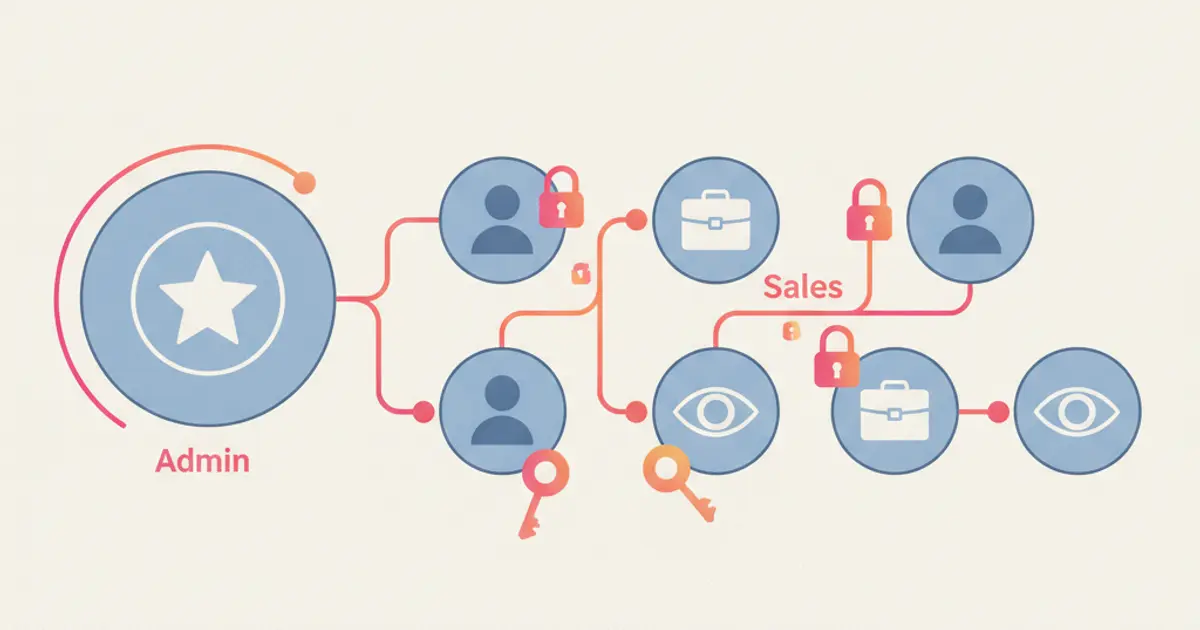
    • Enforcement of customer data governance via Role-Based Access Control and transparent audit trails.

    Relying on manual spreadsheets often represents an unseen point of operational fragility in growing commercial organizations. Small oversights such as mistyping contact numbers, leaving follow-up notes on private representative phones, or duplicating prospect outreach are critical forms of human error that directly degrade revenue potential.

    Deploying a modern crm application provides a structural solution to overcome manual vulnerabilities. By consolidating customer interactions into an integrated ecosystem, organizations ensure that commercial records and communication logs remain accurate, uniform, and transparent across all teams.

    Vulnerability Points of Human Error in Manual Data Record-Keeping

    As commercial operations scale, daily interaction volumes increase exponentially. Sales representatives managing dozens of active discussions frequently postpone updating central spreadsheets. Consequently, client preference details, scheduled demonstration deadlines, and critical customer feedback become distorted because teams rely entirely on individual memory.

    This dynamic fosters severe data fragmentation where vital negotiation history stays isolated on personal employee hardware. If a sales representative leaves the company unexpectedly, the organization forfeits entire relationship contexts that were never centrally archived, putting high-value enterprise accounts at risk.

    How CRM Validation Mechanisms Guarantee Enterprise Data Integrity

    Implementing an advanced crm system introduces automated standardization from the moment a new prospect reaches out. The platform executes instant syntax validation, such as converting regional telephone entries into standardized E.164 international formats to avoid duplicate profile generation.

    Furthermore, the system leverages automated matching logic across unique identifiers such as email addresses and messaging session IDs. When an existing customer initiates contact through an alternative communication channel, the platform merges the interaction into the master client profile without creating cluttered records.

    Evaluation Parameter Manual Spreadsheets Centralized CRM Database
    Contact Syntax Validation Manual, highly prone to typos and duplicate profiles Automated input standardization engine
    Communication History Logging Dependent on individual representative discipline Synchronized automatically in real time
    Pipeline Stage Visibility Requires periodic, error-prone manual compilation Transparent and dynamic visual dashboard
    Follow-up Task Delegation Verbal coordination or disconnected personal notes Systematic automated task alerts and routing
    Information Security Governance High risk of uncontrolled file downloads and copying Encrypted storage with granular role permissions

    Standard Operating Procedure for Migrating Spreadsheets to CRM

    Migrating from unorganized spreadsheets to an integrated business database requires structured execution to prevent legacy bad data from corrupting the new system. Commercial teams should enforce the following structured SOP:

    1. Initial Data Audit and Cleansing: Identify duplicate records, purge unresponsive historical contacts, and normalize all phone numbers to standardized syntax.
    2. Custom Property Mapping: Define mandatory tracking fields for every client profile, including deal valuation, acquisition origin, and priority tiers.
    3. Communication Gateway Integration: Connect primary messaging channels so inbound chats immediately create lead profiles without manual input. Explore technical mechanics in our comprehensive guide on integrating WhatsApp with CRM.
    4. Role Governance and Team Enablement: Configure user access levels and run operational onboarding so representatives consistently manage records directly inside the workspace.

    Automating Lead Status to Prevent Commercial Revenue Leakage

    A primary cause of commercial pipeline leakage is the lag between sales activities and record updates. When a qualified prospect requests a formal contract and the representative forgets to update the deal status, that commercial opportunity remains abandoned. Best practices for plugging these gaps are detailed in our analysis on lead management software automations.

    Through rule-based workflow automation, pipeline stages update dynamically based on verified client triggers, such as clicking a proposal document or responding to an evaluation message. Sales leadership maintains complete visibility across active deals utilizing an interactive sales pipeline management dashboard.

    Client Data Governance and Security Compliance

    Storing proprietary customer information on unprotected digital spreadsheets introduces severe corporate security vulnerabilities. Without role governance, customer databases can be downloaded, distributed, or deleted without leaving an immutable audit trail.

    Modern CRM platforms neutralize these vulnerabilities by applying Role-Based Access Control (RBAC). Representatives only access customer records assigned directly to their portfolio, while bulk data exports and structural schema modifications remain locked to executive leadership to protect business integrity.

    Achieve Accurate and Automated Customer Data with Cekat.ai

    Eliminating human error in customer data management is essential for sustaining commercial efficiency and business growth. Cekat.ai provides an intelligent CRM platform that connects customer databases directly with conversational AI agents and official messaging channels.

    With Cekat.ai, prospect communications, pipeline stage advancements, and representative assignments execute automatically without administrative friction. Eliminate manual data entry errors and accelerate your sales cycle by starting a free trial on our Cekat.ai pricing plans today.

    Frequently Asked Questions

    How does a CRM system prevent duplicate contact creation?

    The system evaluates incoming data against unique parameters such as standardized phone numbers and email addresses, matching new interactions with existing records before creating entries.

    Is communication history preserved if a sales representative leaves the company?

    Yes, all conversation logs, requirement notes, and deal stages are archived on central servers, enabling seamless account reassignment to new team members without losing context.

    How long does the transition from spreadsheets to a CRM system typically take?

    Implementation timelines generally range from 3 to 7 business days, depending on contact volumes, initial data hygiene, and the complexity of required workflow automations.

  • Fast Response Meaning: Standards, Impact, & CS Strategies

    Fast Response Meaning: Standards, Impact, & CS Strategies

    Key Advantages

    • Increase sales conversions by engaging inbound leads within the first minute of outreach.
    • Prevent buyer drop-off by implementing structured First Response Time benchmarks.
    • Reduce support team fatigue using intelligent workflow automation for repetitive inquiries.
    • Maintain continuous 24/7 customer service availability across all communication channels.

    Speed in responding to customer inquiries often determines whether an interested prospect completes a purchase or switches to an alternative vendor. In a digital economy characterized by immediate gratification, modern buyers expect instant answers regarding pricing, product specifications, and delivery timelines. Delivering fast responses is no longer a luxury feature, but an essential operational requirement for retaining and acquiring customers.

    Many organizations assume that simply hiring more front-line agents solves responsiveness issues. However, without systematic workflows and modern communication tools, unaddressed support queues will continue to hurt conversion rates and weaken brand reputation.

    Defining Fast Response and Understanding the Cost of Slow Replies

    A fast response represents the speed and accuracy with which an enterprise acknowledges and resolves incoming customer inquiries across messaging channels, social media platforms, or website widgets. True responsiveness goes beyond sending a generic automated greeting; it involves providing actionable, contextual solutions promptly.

    Conversely, a slow response occurs when incoming messages linger in queues for hours or receive attention only after the prospect has moved on. Slow communication creates severe friction, signaling that a business may be disorganized, understaffed, or unreliable. Eliminating these delays is the foundation for establishing lasting trust with your market.

    Business Scenario: Two competing B2B service providers receive quotation requests simultaneously. Company A delivers a structured pricing overview and discovery booking link within 90 seconds. Company B responds after 4 hours. Company A wins the contract because their immediate engagement caught the buyer while the purchase intent was highest.

    The Direct Connection Between Response Speed and Revenue

    Fast customer engagement correlates directly with top-line commercial success. Sales performance data reveals that contacting a qualified lead within five minutes yields significantly higher closing rates compared to following up after thirty minutes. Response delays cool down commercial momentum and cause potential buyers to reconsider their purchase decision.

    Beyond immediate sales acceleration, rapid response times build confidence for first-time buyers who are evaluating brand trustworthiness. Knowing that assistance is readily available reassures customers that post-purchase questions or warranty needs will be handled with equal urgency.

    Channel-Specific Response Time Benchmarks

    Consumer expectations differ significantly across digital platforms. A response timeline deemed acceptable for traditional correspondence will cause customer churn if applied to instant messaging channels. Companies must establish distinct Service Level Agreements suited to each touchpoint.

    Consider the following standard response benchmarks for modern communication channels:

    • Instant Messaging and Live Chat: Expected initial reply time is under 60 to 120 seconds. Delays beyond five minutes lead to high abandonment rates.
    • Social Media Inboxes: Optimal response time ranges between 5 and 15 minutes during active business hours.
    • Email and Formal Ticketing: Standard first response time ranges from 1 to 4 business hours.
    • Inbound Voice Calls: Queue wait times should stay below 20 seconds before agent connection.

    Setting transparent expectations helps support managers track operational health and staff capacity effectively across every customer entry point.

    Operational Tactics to Keep Customer Support Constantly Responsive

    Maintaining high responsiveness requires a unified communication workspace rather than fragmented manual devices. Handing multiple physical smartphones to individual team members leads to duplicated efforts and missed chats during high-volume promotional events.

    Adopt these tactical practices to enhance team agility:

    • Implement Categorized Saved Replies: Create pre-approved response templates for top inquiries regarding shipping fees, account verification, and standard onboarding steps.
    • Consolidate Message Streams: Connect all messaging channels into a single unified omnichannel inbox so agents can collaborate without tab switching.
    • Distribute Inbound Queues Automatically: Use automated routing rules to balance incoming chat volume evenly among active support personnel.
    • Establish Clear Out-of-Hours Messaging: Deploy contextual out-of-office automations that inform buyers when human teams will resume service.

    Refining these workflows ensures that customer inquiries are triaged smoothly regardless of sudden traffic surges.

    Combining AI Automation with Human Expertise

    Maintaining around-the-clock human staffing is often cost-prohibitive for growing enterprises. The most sustainable operational model combines intelligent automation with experienced human oversight, allowing software to resolve standard queries while reserving specialists for high-value negotiations.

    By deploying intelligent messaging bots and automated conversational flows, customers reaching out outside regular working hours receive immediate, accurate guidance on order statuses, operational hours, and basic product troubleshooting without manual intervention.

    When the platform detects nuanced enterprise sales leads or sensitive customer service escalations, the conversation is handed off smoothly to the designated account manager. This hybrid structure eliminates response bottlenecks while maintaining a personalized, high-touch customer experience.

    Frequently Asked Questions (FAQ)

    What is the difference between First Response Time and Resolution Time?

    First Response Time measures how quickly a business sends the initial reply to an incoming message, while Resolution Time tracks the total duration from ticket creation until the customer problem is fully resolved.

    Does using an automated chatbot count as a fast response?

    Yes, provided the automated system delivers accurate, contextual answers to the customer’s question rather than just serving as a static acknowledgement notice.

    How do businesses measure support responsiveness?

    Key metrics include Average First Response Time (FRT), First Contact Resolution (FCR) rates, and post-interaction Customer Satisfaction Scores (CSAT).

    What are the primary business risks of slow response times?

    Slow responses lead to reduced conversion rates, higher shopping cart abandonment, negative public reviews, and the loss of potential clients to faster competitors.

  • Service Level Agreement (SLA): Types, Metrics & CS Guide

    Service Level Agreement (SLA): Types, Metrics & CS Guide

    Key Advantages

    • Explicit Service Quality Standardization: Establishes official quantitative benchmarks governing response times, incident resolution, and infrastructure uptime.
    • Expectation Gap Elimination: Aligns formal commitments between vendors and commercial clients to prevent disputes resulting from ambiguous service promises.
    • Critical Support Telemetry Tracking: Measures vital operational KPIs including First Response Time (FRT) and Mean Time to Resolution (MTTR) with complete auditability.
    • AI-Driven SLA Compliance Automation: Mitigates SLA breach risks through intelligent ticket queue routing and automated 24/7 conversational escalations on WhatsApp.

    Customer dissatisfaction in enterprise relationships frequently stems from misaligned expectations. Commercial buyers anticipate sub-minute technical resolutions during operational disruptions, whereas frontline support teams may view multi-hour ticket queues as standard. Without formal written parameters, operational disputes regarding support latency inevitably degrade brand credibility.

    To establish operational clarity, modern enterprises enforce a structured Service Level Agreement (SLA) as a contractual benchmark of service quality. Disciplined SLA governance serves as the operational baseline for scaling customer support chat management and SLAs successfully.

    What Is a Service Level Agreement (SLA)?

    A Service Level Agreement (SLA) is a formal contractual agreement between a service provider (either an external vendor or an internal functional department) and an end-user client that defines the explicit standards of service delivery, operational availability, response latency, and mutual responsibilities.

    An SLA document defines the precise deliverables expected by the client, the maximum permissible timeframes to diagnose and resolve technical issues, and the financial remedies or service credits applicable if guaranteed performance benchmarks are breached. With a structured SLA, support quality transitions from subjective perception to measurable, auditable data telemetry.

    3 Core Types of Service Level Agreements in Enterprise Operations

    Based on organizational structure and stakeholder alignment, SLAs are categorized into three primary frameworks:

    SLA Category Governing Relationship Enterprise Deployment Scenario
    Customer-Based SLA A customized agreement negotiated exclusively for a specific enterprise account. A financial institution requiring a guaranteed 15-minute emergency response time from their CRM infrastructure vendor.
    Service-Based SLA A standardized service benchmark applied uniformly across all clients utilizing a specific product tier. A cloud SaaS platform committing to an identical 99.9% server uptime guarantee for all commercial business tier subscribers.
    Multi-Level SLA A layered framework addressing corporate-level policies, service-level terms, and user-level constraints. An enterprise telecom provider establishing baseline network uptime globally while tiering incident resolution speeds between standard and VIP accounts.

    Critical Metrics in Customer Support SLA Management

    Measuring customer service SLA performance relies on four essential quantitative metrics:

    • First Response Time (FRT): The average time elapsed from when a customer submits an initial inquiry to when an agent delivers the first verified response.
    • First Contact Resolution (FCR): The percentage of incoming customer tickets resolved completely during the initial interaction without requiring subsequent follow-ups.
    • Mean Time to Resolution (MTTR): The average total time required by support specialists to diagnose, resolve, and close an opened support ticket.
    • System Uptime Availability: The verified percentage of operational time that software platforms and API endpoints remain accessible without unscheduled downtime.

    Mandatory Components in a Standard SLA Document

    A comprehensive, legally binding SLA document incorporates these structural components:

    1. Service Overview & Scope: Comprehensive technical descriptions outlining covered software features, maintenance windows, and support boundaries.
    2. Uptime Commitments: Explicit mathematical guarantees defining server availability and platform reliability (e.g., 99.9% uptime).
    3. Severity Tier Matrix & Response Milestones: Structured tables defining incident severity levels (Critical, High, Medium, Low) alongside corresponding response and resolution deadlines.
    4. Incident Escalation Pathways: Clear operational protocols governing how unresolved tickets escalate from Tier-1 frontline agents to Tier-2 specialists and senior engineering teams.
    5. Operational Exclusions: Contractual clauses defining scenarios where SLA targets are paused, such as force majeure events or pre-scheduled maintenance windows.
    6. Service Credits & Financial Remedies: Formal penalty frameworks outlining billing discounts or service credits issued if performance benchmarks are violated.

    Enterprise Customer Service Severity & Response Matrix

    Incident Severity Level Operational Definition Target First Response Time Target Resolution Milestone
    Priority 1 (Critical Outage) Core production systems down; catastrophic business disruption preventing transactions. < 15 Minutes < 2 Hours
    Priority 2 (High Severity) Major feature failure impacting operations, but core system remains accessible. < 30 Minutes < 6 Hours
    Priority 3 (Medium Severity) Minor software bug or configuration friction that does not halt primary commercial operations. < 2 Hours < 24 Hours
    Priority 4 (Low Severity) Standard product inquiries, general documentation questions, or feature enhancement requests. < 4 Hours < 48 Hours

    Strategies to Prevent SLA Breaches Using AI Automation

    Preserving consistent SLA compliance during high-volume inquiry surges requires intelligent infrastructure automation:

    1. Compress First Response Times to Sub-Seconds

    A substantial volume of incoming inquiries consists of repetitive operational questions. Integrating a conversational WhatsApp AI chatbot connected to the official WhatsApp Business API guarantees instantaneous first responses 24/7, ensuring FRT compliance targets are achieved flawlessly. Explore operational playbooks in our guide on how to cut CS response times.

    2. Deploy Centralized Ticketing Infrastructure

    Manage all incoming incidents through dedicated ticketing management systems and complaint management tools. The system tracks countdown timers automatically, alerting supervisors before resolution milestones expire.

    3. Balance Queue Workloads Dynamically

    Distribute active support tickets evenly across available customer care specialists collaborating inside a centralized WhatsApp multi-agent workspace to eliminate individual agent bottlenecks.

    Uphold Enterprise SLA Standards with Cekat.ai AI & CRM Infrastructure

    Tracking SLA milestones manually across spreadsheets introduces severe operational risk. Consolidating all conversational touchpoints into an enterprise CRM application powered by Agentic AI technology delivers complete operational oversight.

    Cekat.ai AI Agents evaluate incident severity automatically, generate concise context summaries from historical chat transcripts, and execute escalation workflows via visual workflow automation engines. Preserving strict SLA compliance mitigates churn rates, elevates Net Promoter Scores (NPS), and reinforces long-term customer retention.

    Frequently Asked Questions (FAQ)

    1. What remedies apply when a service provider violates contractual SLA commitments?

    Standard contractual remedies include issuing Service Credits (percentage billing reductions applied to subsequent invoices), complimentary subscription extensions, or granting the client the right to terminate the commercial agreement without early termination penalties.

    2. What is the difference between an SLA and a KPI in customer service operations?

    An SLA is a formal, legally binding contract between a business and its customers defining guaranteed minimum service standards. A KPI (Key Performance Indicator) is an internal operational target utilized by management to track internal team productivity and process efficiency.

    3. How is First Response Time (FRT) calculated across messaging channels?

    First Response Time is calculated by summing the total initial response wait times across all customer inquiries within a specific timeframe and dividing that total by the aggregate count of handled customer conversations.

    Elevate Customer Support Standards with Cekat.ai

    Honoring Service Level Agreement commitments is the clearest proof of operational maturity and enterprise reliability. Equipping your support organization with intelligent conversational automation ensures your team consistently achieves every service target without cognitive burnout.

    The enterprise platform at Cekat.ai provides conversational commerce and contact center infrastructure combining official WhatsApp Business API connectivity, 24/7 AI Agents, and automated CRM ticketing designed to guarantee SLA compliance. Explore our subscription tiers on our pricing and plans page or schedule a discovery consultation with our solutions team today.

  • Modern B2B Sales Strategy: Pipeline & Closing Guide

    Modern B2B Sales Strategy: Pipeline & Closing Guide

    Key Advantages

    • Effective Multi-Stakeholder Alignment: Maps complex enterprise buying committees systematically to accelerate commercial proposal consensus.
    • Shortened Deal Cycle Latency: Eliminates negotiation friction through automated follow-up cadences and contextual educational asset delivery.
    • Centralized Pipeline Visibility: Tracks high-value commercial opportunities in real time to prevent viable deals from stalling or falling through the cracks.
    • Automated Conversational B2B Messaging: Leverages official messaging channels to maintain responsive, consultative executive engagement.

    Selling high-ticket solutions to commercial enterprises requires a vastly different operational methodology than selling directly to retail consumers. High-value enterprise agreements rarely occur impulsively within a single conversation. Corporate purchasing decisions demand thorough evaluations, strict budgetary approvals, and consensus across diverse organizational stakeholders.

    Deploying a modern, structured B2B sales strategy is essential for eliminating commercial friction and shortening extended sales cycles. Unifying consultative sales execution with a dedicated lead management platform ensures your commercial pipeline advances systematically toward closed-won revenue.

    What Is B2B Sales and How Does It Operate?

    B2B (Business-to-Business) refers to commercial transactions in which one company sells products, enterprise software, raw materials, or professional services to another commercial enterprise or organizational entity.

    Core characteristics that distinguish enterprise B2B sales from consumer (B2C) markets:

    • Substantially Larger Contract Values: B2B agreements typically involve substantial financial commitments spanning multi-year commercial terms.
    • Multi-Stakeholder Buying Committees: Purchasing evaluations involve technical specialists, department heads, procurement teams, and C-level executives.
    • Extended Sales Cycles: Deal lifecycles frequently require weeks or months from initial discovery to formal contract execution.
    • ROI and Operational Focus: Buying decisions are grounded in measurable efficiency gains, cost reductions, and return on investment projections rather than impulsive emotional triggers.

    Stages of the Modern Enterprise B2B Sales Cycle

    Managing high-value enterprise opportunities requires a disciplined, stage-by-stage operational framework:

    1. Prospecting & Account Intelligence: Identifying target accounts matching your ideal profile and mapping organizational pain points. Implement scalable cadences using our guide to automated cold outreach without spam flags.
    2. Discovery & Qualification: Validating budgetary fit, deployment timelines, and decision-maker authority using structured frameworks from our lead scoring guide.
    3. Solution Demonstration & Value Presentation: Demonstrating how product capabilities resolve specific organizational bottlenecks through consultative demonstrations.
    4. Commercial Proposal Delivery: Presenting transparent pricing tiers, implementation scopes, and Service Level Agreements (SLAs).
    5. Negotiation & Legal Review: Finalizing contract clauses, payment schedules, and enterprise data security compliance terms.
    6. Deal Closing & Implementation Handoff: Executing agreements, issuing official invoices, and transitioning accounts to customer success teams.

    Comparison: Traditional Selling vs. Modern Consultative B2B Sales

    Sales Dimension Traditional B2B Approach Modern Consultative B2B Methodology
    Communication Channels Relies on slow formal emails and cold phone calls. Combines responsive WhatsApp channels, real-time CRM data, and virtual sessions.
    Deal Progression Tracking Siloed across individual representative spreadsheets. Visualized inside centralized pipeline management software with bi-directional syncing.
    Engagement Style Hard-selling focused on feature lists. Consultative selling focused on solving executive business problems.
    Follow-Up Velocity Significant latency due to manual administrative drafting. Automated follow-up alerts and AI-driven conversation summaries.

    B2B Negotiation Strategies to Accelerate Closing Velocity

    Navigating enterprise procurement and executive buying committees requires value-based negotiation disciplines:

    1. Identify and Enable an Internal Champion

    Cultivate a collaborative relationship with the operational stakeholder who directly benefits from your solution (such as the customer service lead or operations manager). This champion serves as your internal advocate when executive leadership reviews budget allocations.

    2. Present Quantifiable ROI Business Cases

    Avoid relying purely on technical feature descriptions. Deliver explicit financial projections illustrating how your platform eliminates operational costs, saves team working hours, or drives measurable revenue expansion over time.

    3. Maintain Disciplined Follow-Up Cadences

    Enterprise deals frequently stall due to communication lapses during evaluation periods. Deploy structured cadences from our playbook on effective lead follow-up strategies to keep momentum active.

    4. Structure Phased Pilot Deployments

    If enterprise stakeholders hesitate before committing to expansive organization-wide contracts, structure a paid pilot project to prove performance and ROI before initiating full-scale rollouts.

    Scaling B2B Sales Pipelines with Cekat.ai AI & CRM Architecture

    Managing multiple enterprise opportunities manually introduces severe tracking latency. Migrating sales workflows onto an integrated CRM application connected to the official WhatsApp Business API delivers complete operational oversight.

    Powered by dedicated pipeline management software and Agentic AI technology, call logs, proposal files, and WhatsApp conversations synchronize automatically. Sales teams manage strategic accounts collaboratively inside a centralized WhatsApp multi-agent workspace with zero context fragmentation.

    This automated coordination accelerates pipeline velocity, mitigates churn rates, and builds durable commercial partnerships that drive long-term customer retention.

    Frequently Asked Questions (FAQ)

    1. What is the fundamental difference between B2B and B2C sales?

    B2B sales involves selling solutions to corporate organizations featuring larger contract values, multi-stakeholder buying committees, and longer sales cycles. In contrast, B2C sales involves selling directly to individual consumers with faster, lower-ticket transactions.

    2. How can commercial teams shorten long B2B sales cycles?

    Execute rigorous upfront lead qualification, involve economic decision-makers early during discovery, utilize responsive messaging channels like official WhatsApp for follow-ups, and deliver concrete ROI business cases.

    3. Why is conversational WhatsApp messaging valuable in modern B2B sales?

    WhatsApp eliminates email communication delays, accelerates proposal delivery, and enables responsive, consultative coordination directly with key enterprise decision-makers.

    Accelerate Enterprise B2B Sales Growth with Cekat.ai

    Building a modern, responsive, and automated B2B sales engine is essential for accelerating high-value deal closures. Equipping your sales force with clear pipeline visibility and automated conversational tools transforms market opportunities into measurable revenue.

    The enterprise platform at Cekat.ai delivers conversational commerce infrastructure combining official WhatsApp Business API connectivity, 24/7 AI Agents, and visual CRM pipeline management designed to maximize B2B sales performance. Explore our subscription tiers on our pricing and plans page or schedule a discovery consultation with our solutions engineering team today.

  • Sales Funnel: Stages, Strategy & Conversion Optimization Guide

    Sales Funnel: Stages, Strategy & Conversion Optimization Guide

    Key Advantages

    • Structured Buyer Journey Orchestration: Guides prospective buyers methodically from initial brand discovery to verified commercial transaction closing.
    • Conversion Drop-Off Prevention: Pinpoints operational friction touchpoints to prevent prospective leads from abandoning consideration funnels.
    • Multi-Channel Automated Nurturing: Unifies website traffic, advertising touchpoints, and conversational messaging into a 24/7 engagement engine.
    • Acquisition Budget Optimization: Maximizes lead-to-deal conversion velocity, ensuring commercial marketing budgets generate measurable recurring revenue.

    Commercial enterprises frequently allocate extensive capital toward driving website traffic and digital ad engagement, only to experience stagnant revenue growth. The underlying mistake is pitching high-ticket solutions prematurely to cold prospects who have just discovered your brand. Attempting to close buyers before they understand their operational pain points inevitably leads to sales friction.

    Constructing a disciplined sales funnel architecture transitions unfamiliar audiences into committed commercial clients through logical value stages. Aligning your funnel with a centralized lead management platform ensures commercial pipelines remain populated with high-intent buying opportunities.

    What Is a Sales Funnel in Modern Business?

    A sales funnel is a visual model that maps the theoretical buying journey a prospective customer traverses from brand discovery to commercial agreement execution.

    The framework utilizes a funnel shape because top-of-funnel audience volumes naturally exceed the final count of closed transactions. The primary objective of sales funnel management is optimizing conversion efficiency across each consecutive stage, maximizing the percentage of leads that convert into high-margin revenue.

    Key Differences: Sales Funnel vs. Marketing Funnel

    While frequently used interchangeably, these funnels govern distinct operational domains across the commercial revenue cycle:

    Operational Dimension Marketing Funnel Sales Funnel
    Core Focus Building brand discovery, capturing traffic, and generating marketing leads. Triage qualification, objection handling, commercial negotiation, and contract closure.
    Funnel Alignment Top of Funnel (TOFU) and Middle of Funnel (MOFU). Middle of Funnel (MOFU) and Bottom of Funnel (BOFU).
    Success Telemetry Impressions, ad click-through rates, site visits, and form submissions. Win rates, sales cycle velocity, contract size, and closed-won revenue.

    The 4 Core Stages of a Sales Funnel (AIDA Framework)

    The standard commercial purchasing journey aligns across four sequential psychological stages:

    1. Awareness (Top of Funnel / TOFU)

    Prospective buyers discover an operational problem and encounter your brand through educational content, organic search results, or targeted advertising. The strategic objective at this stage is delivering authoritative insight rather than aggressive sales pitches.

    2. Interest (Middle of Funnel / MOFU)

    Buyers actively research potential solutions and compare market alternatives. They exchange contact details (such as email addresses or WhatsApp numbers) for specialized whitepapers, digital catalogs, or discovery audits. Maintain clean contact records using our guide on organizing your WhatsApp customer database.

    3. Decision (Bottom of Funnel / BOFU)

    Prospects evaluate solution fit, commercial pricing tiers, and vendor credibility. This phase requires consultative case studies, customer proof points, and transparent implementation roadmaps to eliminate final hesitations.

    4. Action (Transaction Closing & Retention)

    The buyer executes the purchase agreement, transitions to active onboarding, and becomes an established customer. Revenue teams must nurture the post-purchase relationship to drive repeat transactions using proven repeat order strategies.

    B2B Sales Funnel Stages: Navigating Complex Enterprise Cycles

    Unlike rapid consumer B2C checkouts, B2B sales funnels involve multi-stakeholder evaluation and longer negotiation lifecycles:

    1. Lead Ingestion & Discovery: Capturing inbound enterprise inquiries across digital campaigns and direct messaging.
    2. Lead Qualification: Assessing firmographic criteria and purchasing power using frameworks from our lead scoring guide.
    3. Solution Demonstration: Demonstrating how product capabilities resolve specific organizational bottlenecks.
    4. Stakeholder Negotiation: Finalizing contract terms, SLA commitments, and security reviews.
    5. Deal Closure & Onboarding: Executing agreements and initiating customer success deployment.

    How to Build and Optimize a High-Converting Sales Funnel

    Constructing a scalable, high-velocity sales funnel requires four structured operational steps:

    1. Define Customer Bottlenecks and Target Profiles

    Analyze your ideal buyer profiles to understand their primary operational pain points and evaluate how your solution delivers measurable return on investment.

    2. Deploy High-Value Lead Capture Magnets

    Offer downloadable guides, product audits, or discovery consultations accessible via direct communication links formatted using official wa.me direct link standards.

    3. Automate Lead Nurturing and Follow-Up Cadences

    Deliver consistent educational insights and customer case studies. Eliminate response latency by applying structured cadences from our guide on effective lead follow-up strategies.

    4. Remove Friction from Transaction Checkouts

    Streamline the final purchase process by delivering automated digital billing links, payment gateway integrations, and instant transaction receipts directly inside active chat threads.

    Automating Sales Funnels with Cekat.ai AI & CRM Infrastructure

    Managing prospect progression manually across spreadsheets introduces severe follow-up delays. Migrating your commercial funnel onto the official WhatsApp Business API integrated with an enterprise CRM application provides an automated operational stack:

    • Autonomous Lead Qualification: An intelligent WhatsApp AI chatbot engages inbound prospects instantly, verifying requirement criteria 24/7.
    • Visual Pipeline Tracking: Monitor active commercial deals from discovery to closing using dedicated pipeline management software.
    • Collaborative Human Escalation: High-intent commercial opportunities route seamlessly to senior account executives within a WhatsApp multi-agent workspace.

    This automated coordination maximizes funnel conversion velocity, mitigates overall churn rate, and strengthens long-term customer retention.

    Frequently Asked Questions (FAQ)

    1. What causes conversion drop-offs inside a sales funnel?

    Drop-offs occur primarily due to delayed support response times, aggressive premature sales pitches, uncompetitive or opaque pricing structures, and complex checkout friction.

    2. How do you measure the performance of a sales funnel?

    Sales funnel health is evaluated via stage-by-stage Conversion Rates, Customer Acquisition Cost (CAC), average sales cycle velocity, and Customer Lifetime Value (CLV).

    3. Why is conversational messaging essential in modern sales funnels?

    Conversational channels like WhatsApp deliver open rates of up to 98% and facilitate real-time two-way dialogue, significantly accelerating lead qualification and deal closure compared to traditional email cadences.

    Scale Your Sales Funnel Operations with Cekat.ai

    Constructing a disciplined, automated sales funnel is essential for driving predictable enterprise revenue growth. Automating each interaction stage ensures your commercial sales force focuses exclusively on closing high-value opportunities.

    The enterprise platform at Cekat.ai provides conversational commerce infrastructure combining official WhatsApp Business API endpoints, 24/7 AI Agents, and visual CRM pipeline management. Explore our subscription tiers on our pricing and plans page or schedule a discovery consultation with our solutions engineering team today.

  • Net Promoter Score (NPS): Definition, Formula & Benchmarks

    Net Promoter Score (NPS): Definition, Formula & Benchmarks

    Key Advantages

    • Gold Standard for Customer Loyalty: Evaluates long-term brand advocacy and customer willingness to recommend your products to professional and personal networks.
    • Sentiment-Driven Audience Segmentation: Categorizes customer accounts into Promoters, Passives, and Detractors to deliver tailored retention workflows.
    • Automated Interactive WhatsApp Surveys: Gathers NPS ratings directly within messaging threads, achieving significantly higher completion rates than legacy email forms.
    • Proactive Account Churn Prevention: Pinpoints dissatisfied buyers (Detractors) instantly, allowing support teams to intervene and resolve friction before contract cancellations occur.

    Many commercial enterprises assume their customer accounts are satisfied simply because support ticket volumes remain stable. In reality, dissatisfied customers frequently leave quietly without ever filing a formal complaint, migrating directly to competitive alternatives. Operating without objective customer sentiment telemetry creates blind spots that jeopardize sustainable revenue growth.

    The globally recognized benchmark for measuring customer loyalty and brand advocacy is the Net Promoter Score (NPS). Tracking NPS systematically enables leadership teams to detect operational bottlenecks early, serving as a core pillar of structured customer retention strategies.

    What Is Net Promoter Score (NPS)?

    Net Promoter Score (NPS) is a customer experience metric that measures the likelihood of customers recommending a company, product, or service to friends, family, or professional colleagues.

    Developed by Fred Reichheld, Bain & Company, and Satmetrix in 2003, NPS relies on a single foundational question: “On a scale of 0 to 10, how likely are you to recommend our business to a friend or colleague?” The resulting score spans from -100 (if every respondent is a Detractor) to +100 (if every respondent is a Promoter).

    Customer Sentiment Tiers: Promoters, Passives, Detractors

    Based on the numeric rating (0 to 10) submitted by respondents, customers are segmented into three distinct operational cohorts:

    Respondent Cohort Score Range Customer Behavior Profile Recommended Action
    Promoters Score 9 – 10 Highly loyal brand advocates who fuel organic growth through repeat purchases and word-of-mouth referrals. Invite into referral programs, request public case studies, and offer exclusive VIP access.
    Passives Score 7 – 8 Adequately satisfied buyers lacking strong emotional brand affinity; susceptible to competitive pricing incentives. Enhance product onboarding, deliver targeted educational tips, and optimize user experience.
    Detractors Score 0 – 6 Dissatisfied customers who experienced service friction; high risk of spreading negative sentiment and churning. Initiate immediate executive outreach, diagnose root causes, and provide corrective service recovery.

    How to Calculate Net Promoter Score: The NPS Formula

    Calculating your Net Promoter Score involves subtracting the percentage of Detractors from the percentage of Promoters (Passives are excluded from the net calculation but are included in total response counts):

    1. Standard Net Promoter Score Formula

    Net Promoter Score (NPS) = % Promoters - % Detractors

    Step-by-step breakdown:

    % Promoters = (Count of Ratings 9-10 / Total Survey Respondents) × 100
    % Detractors = (Count of Ratings 0-6 / Total Survey Respondents) × 100
    NPS = % Promoters - % Detractors

    2. Practical Calculation Scenario

    Consider an enterprise SaaS company that collects 500 customer survey responses:

    • Promoters (score 9-10): 300 accounts (60%)
    • Passives (score 7-8): 125 accounts (25%)
    • Detractors (score 0-6): 75 accounts (15%)

    Applying the calculation:

    NPS = 60% - 15% = +45

    The resulting enterprise Net Promoter Score is +45.

    Global Benchmarks: What Is a Good NPS Score?

    Across commercial enterprise sectors, NPS scores are categorized into defined benchmark standards:

    • Score Below 0: Critical (Indicates the business has more dissatisfied detractors than loyal brand advocates).
    • Score 0 to +30: Healthy (Reflects a solid operational foundation with room for service improvement).
    • Score +31 to +70: Excellent (Demonstrates high customer loyalty and strong organic referral expansion).
    • Score +71 to +100: World-Class (The highest standard of customer advocacy, shared by brands like Apple and Amazon).

    Core Differences: Net Promoter Score (NPS) vs Customer Satisfaction (CSAT)

    While both metrics evaluate customer sentiment, they measure distinct operational dimensions:

    Analytical Dimension Net Promoter Score (NPS) Customer Satisfaction Score (CSAT)
    Measurement Focus Long-term brand loyalty, customer relationship health, and advocacy sentiment. Short-term transactional satisfaction with a specific support interaction or purchase.
    Survey Cadence Periodic schedule (e.g., quarterly or semi-annually) or post-onboarding milestones. Immediately upon support ticket resolution or product delivery.
    Core Survey Question “How likely are you to recommend our business to others?” (Scale 0-10) “How satisfied are you with the service provided today?” (Scale 1-5)

    Deploying Automated NPS Surveys via WhatsApp Messaging

    Traditional NPS surveys deployed through email links often yield low response rates (frequently below 5%). Transitioning survey delivery to WhatsApp delivers up to 98% open rates and significantly accelerates survey completion velocity.

    1. Deploy Interactive Official Message Templates

    Deliver surveys utilizing interactive quick-reply buttons registered through the official WhatsApp Business API. Customers submit numeric ratings instantly with a single screen tap.

    2. Automate Survey Dispatch via CRM Workflows

    Configure automated survey triggers within your central workflow automation engine, dispatching feedback requests 14 days post-purchase or 30 days post-onboarding.

    3. Route Detractor Feedback to Complaint Management Workflows

    When a customer submits a score between 0 and 6, trigger an automated escalation inside your complaint management software, prompting customer success managers to conduct service recovery within one hour.

    Scaling NPS Operations with Cekat.ai AI & CRM Infrastructure

    Collecting survey data, analyzing qualitative text feedback, and managing follow-up outreach manually across spreadsheets introduces operational friction. Connecting NPS feedback loops to an enterprise CRM application powered by Agentic AI technology delivers an automated solution:

    • Dynamic Profile Tagging: NPS scores update automatically on contact records, allowing sales reps to identify accounts ready for repeat orders.
    • Autonomous 24/7 Contextual Follow-Up: Conversational WhatsApp AI chatbots probe for the qualitative reasoning behind submitted scores, summarizing customer sentiment in real time.
    • Collaborative Multi-Agent Escalation: Customer care specialists resolve detractor friction collaboratively inside a centralized WhatsApp multi-agent workspace.

    Resolving customer friction proactively restores brand trust, reduces overall churn rate, and expands lifetime customer lifetime value.

    Frequently Asked Questions (FAQ)

    1. When is the best time to send an NPS survey to a customer?

    The ideal timing is once the customer has experienced core product value (typically 14 to 30 days post-onboarding) and on a recurring schedule every 3 to 6 months to monitor loyalty trajectory over time.

    2. Why are Passives excluded from the net NPS calculation?

    Passives (scores 7-8) are excluded from the net formula because they represent neutral sentiment; they are not enthusiastic enough to drive organic referrals, yet not dissatisfied enough to generate negative reviews.

    3. What is the most effective protocol for following up with Detractors?

    Initiate direct, personalized outreach from senior support managers within 24 hours, acknowledge the service shortcoming transparently, listen to the customer feedback, and deliver a concrete corrective resolution.

    Elevate Customer Loyalty with Cekat.ai

    Systematically measuring your Net Promoter Score delivers actionable telemetry to guide product development and customer service excellence. Transforming customer feedback into proactive operational workflows is essential for maintaining enterprise market leadership.

    The enterprise platform at Cekat.ai delivers conversational commerce infrastructure combining official WhatsApp Business API connectivity, 24/7 AI Agents, and automated CRM survey workflows designed to maximize customer satisfaction. Explore our subscription tiers on our pricing and plans page or schedule a discovery consultation with our solutions team today.

  • What Is Churn Rate: Formula, Analysis & Reduction Guide

    What Is Churn Rate: Formula, Analysis & Reduction Guide

    Key Advantages

    • Revenue Attrition Prevention: Comprehending churn dynamics empowers enterprises to identify at-risk accounts before customers submit contract cancellations.
    • Customer vs. Revenue Churn Telemetry: Separates logo attrition from recurring revenue loss to evaluate true balance sheet health.
    • Early Warning Friction Detection: Captures negative customer sentiment early through centralized CRM ticketing and chat transcript analysis.
    • Automated Conversational Re-Engagement: Triggers proactive WhatsApp follow-ups to re-engage dormant accounts before they churn permanently.

    Commercial enterprises routinely dedicate extensive budgets to capturing new accounts, only to wonder why net top-line revenue remains flat. This dynamic represents the classic leaky bucket dilemma: regardless of how many new buyers enter the top of the funnel, overall business growth stalls if existing accounts continuously abandon your service.

    The primary metric for measuring customer attrition over time is the churn rate. Systematically managing churn rate serves as the operational baseline for preserving cash flow stability and executing structured customer retention strategies.

    What Is Churn Rate in Modern Business Operations?

    Churn rate (customer attrition rate) represents the percentage of customers or recurring revenue lost by a business across a specific evaluation window, typically measured monthly, quarterly, or annually.

    This metric serves as a foundational operational health indicator for subscription software (SaaS), recurring service providers, digital agencies, and e-commerce brands. Lowering your churn rate directly expands lifetime operating margins and maximizes return on customer acquisition expenditures.

    Core Dimensions: Customer Churn vs. Revenue Churn

    A rigorous churn rate analysis requires distinguishing between customer count attrition and financial revenue loss:

    Churn Dimension Analytical Focus Commercial Business Impact
    Customer Churn (Logo Churn) Calculates the total count of individual customer accounts that cancel service or stop ordering. Measures broader market adoption trends and product-market fit health.
    Revenue Churn (MRR / ARR Churn) Calculates the dollar value of recurring contract revenue lost due to cancellations and plan downgrades. Measures direct cash flow impact, where losing 1 enterprise account can outweigh losing 10 entry-level accounts.

    How to Calculate Customer Churn: Standard Formulas

    Calculating customer churn rate involves a straightforward mathematical formula:

    1. Standard Customer Churn Rate Formula

    Customer Churn Rate (%) = (Lost Customers During Period / Total Customers at Start of Period) × 100%

    2. Practical Calculation Scenario

    Consider a subscription software enterprise with the following quarterly operational data:

    • Active customer accounts at the beginning of the quarter: 1,000 accounts
    • Customer accounts canceled during the quarter: 50 accounts

    Applying the calculation:

    Churn Rate = (50 / 1,000) × 100% = 5%

    In this scenario, the business experienced a quarterly customer churn rate of 5%.

    Primary Drivers of High Churn Rates

    Buyers rarely terminate commercial contracts abruptly without warning. The leading triggers of high churn include:

    1. Slow, Unhelpful Customer Service: Excessive support hold times and unresolved technical issues are the primary drivers of account migration to competitors.
    2. Friction-Filled Onboarding: New buyers struggle to realize core product value during their initial 30 days due to inadequate guidance.
    3. Inconsistent Product Reliability: Recurring technical bugs or service downtime undermine customer trust in brand stability.
    4. Absence of Post-Purchase Engagement: Reaching out to clients exclusively during contract renewal cycles without providing ongoing consultative value.

    Actionable Strategies to Reduce Churn and Protect Retention

    Strategic Playbook Conversational Implementation Target Operational Outcome
    Sub-Second Support Resolution Deploy 24/7 conversational AI to resolve routine queries instantly. Eliminates customer frustration caused by lengthy support queues.
    Structured Onboarding Nurturing Deliver automated product mastery tips throughout the first 30 days. Accelerates time-to-value for newly onboarded accounts.
    Automated Replenishment Cadences Dispatch reorder reminders before consumable inventories deplete. Maintains active buying velocity and prevents silent customer drop-offs.
    Centralized Escalation Tracking Log critical feedback inside unified complaint management modules. Resolves critical issues before accounts submit formal cancellations.

    1. Eliminate Support Latency

    Delayed support responses rapidly accelerate customer churn decisions. Implement disciplined queue management following our guide on how to cut CS response times to ensure inquiries are resolved immediately.

    2. Deploy Dedicated Complaint Management

    Utilize integrated complaint management tools to track recurring issues. By analyzing customer feedback trends, product and operations leaders can resolve operational bottlenecks permanently.

    3. Automate Account Re-Engagement Sequences

    Identify accounts showing zero activity over 30 days using customer segmentation software. Deploy automated check-ins or customized incentives via automated follow-up software to reactivate dormant buyers.

    4. Accelerate Repurchase Velocity

    For commerce and consumable goods brands, lapsed reorders represent silent customer churn. Deploy proven tactics from our guide on how to increase customer repeat orders on WhatsApp to maintain active reorder cycles.

    Mitigating Churn Rate with Cekat.ai AI & CRM Architecture

    Monitoring churn risk signals manually across decentralized spreadsheets inevitably leads to missed intervention windows. Connecting conversational channels to the official WhatsApp Business API integrated with an enterprise CRM application establishes an automated early-warning system.

    Powered by conversational WhatsApp AI chatbots and Agentic AI technology, the system analyzes customer sentiment, detects dissatisfaction markers, and instantly routes high-risk accounts to senior supervisors inside a collaborative WhatsApp multi-agent inbox.

    This proactive coordination restores buyer confidence before cancellation occurs, expands overall customer lifetime value, and strengthens long-term customer account health.

    Frequently Asked Questions (FAQ)

    1. What is considered a healthy benchmark churn rate for businesses?

    For enterprise B2B SaaS companies, an annual churn rate between 5% and 7% per year (under 1% per month) is considered healthy. For B2C subscription models, monthly churn rates typically range between 3% and 5% per month.

    2. What is the difference between voluntary and involuntary churn?

    Voluntary churn occurs when a customer deliberately cancels a service due to dissatisfaction or shifting needs. Involuntary churn occurs due to passive operational friction, such as expired credit cards or failed billing transactions.

    3. How do you reduce customer churn across WhatsApp messaging channels?

    Deploy 24/7 AI Agents for instant issue resolution, automate subscription renewal reminders, and utilize CRM segmentation to deliver proactive check-ins to accounts showing declining engagement.

    Protect Your Customer Base with Cekat.ai

    Lowering churn rate and nurturing existing customer relationships is the most profitable growth engine for expanding commercial enterprises. With proactive conversational engagement, your existing customer accounts become predictable sources of recurring revenue.

    The enterprise platform at Cekat.ai delivers conversational commerce infrastructure combining official WhatsApp Business API endpoints, 24/7 AI Agents, and automated CRM pipelines designed to minimize churn. Explore plan options on our pricing and plans page or schedule a discovery consultation with our growth solutions team today.

  • Best Website Live Chat: WhatsApp & AI Integration Guide

    Best Website Live Chat: WhatsApp & AI Integration Guide

    Key Advantages

    • Instant Inbound Visitor Conversion: Engages hesitant website visitors in real time precisely as they evaluate product specifications and pricing plans
    • Continuous Omnichannel Connectivity: Transitions website conversations seamlessly to WhatsApp so communication persists after visitors close their browser tabs.
    • Autonomous 24/7 AI Engagement: Resolves standard inquiries, tracks order statuses, and qualifies prospect requirements instantly with zero response latency.
    • Centralized CRM Data Synchronization: Logs full conversation transcripts and contact properties into a centralized database for structured sales follow-up.

    Commercial enterprises routinely invest substantial capital into driving website traffic through paid search ads and content marketing, only to experience disappointing conversion rates. In most scenarios, the issue is not product quality or pricing competitiveness; it is the complete absence of immediate consultative assistance when high-intent visitors encounter pre-purchase hesitation.

    When buyers have specific questions regarding product availability, technical integration, or enterprise billing terms, they expect immediate answers. Failing to provide real-time assistance prompts prospects to abandon the site and explore competitive alternatives. Modern live chat software bridges this conversion gap, serving as an interactive sales catalyst that accelerates deal closing velocity.

    Why Website Live Chat Is Essential for Digital Commerce

    Live chat has evolved far beyond a passive visual widget resting in the corner of a website. In modern conversational commerce, it functions as an autonomous frontline sales representative that greets visitors proactively and guides them toward transaction completion.

    Core commercial benefits of modern live chat customer service:

    • Elevated Checkout Conversion Rates: Resolving buyer uncertainty during active evaluation cycles is proven to boost checkout completions by up to 40 percent.
    • Sub-Second First Response Velocity: Delivers instantaneous conversational resolution compared to traditional web inquiry forms and email queues.
    • Zero Lead Attrition: Captures visitor names, email addresses, and verified WhatsApp numbers before prospects navigate away from your website.
    • Support Operational Efficiency: Enables individual support specialists to manage concurrent chat sessions simultaneously with automated contextual macros.

    Structural Limitations of Traditional Live Chat Widgets

    While legacy live chat tools provided initial utility, their outdated architecture introduces critical operational friction:

    1. Broken Communication Upon Tab Closure: If a support agent delays replying and the visitor exits the browser, the entire conversation thread vanishes with no way to re-engage the prospect.
    2. Operating Hour Bottlenecks: Manual chat systems go offline during nights and weekends, leaving high-intent visitors completely unassisted during off-peak hours.
    3. Disconnected Data Silos: Web chat transcripts remain isolated inside standalone tools, disconnected from social media channels and customer CRM records.

    Modern Architecture: Integrating Website Live Chat with WhatsApp & AI

    To overcome the limitations of legacy tools, modern conversational infrastructure links website widgets directly with mobile messaging channels and autonomous artificial intelligence.

    1. Seamless Transition to WhatsApp Messaging

    Modern embedded live chat widgets provide visitors with a flexible choice: continue chatting inside the browser window or transition the conversation directly to WhatsApp. Transitioning to WhatsApp secures a permanent, verified communication channel, allowing sales teams to nurture the prospect over time.

    2. 24/7 Autonomous AI Resolution

    Integrating your web widget with a conversational WhatsApp AI chatbot ensures inbound queries receive instant, context-rich responses. Powered by a centralized enterprise knowledge base, AI Agents resolve technical FAQs, recommend catalog items, and verify logistics parameters autonomously.

    3. Context-Enriched Human Agent Escalation (Smart Fallback)

    When visitors express complex requirements, enterprise purchase intent, or critical support escalations, the system routes the active session to human specialists in a collaborative WhatsApp multi-agent workspace along with an automated conversation summary.

    Feature Comparison: Traditional Live Chat vs. Cekat.ai AI-Powered Live Chat

    Architectural Dimension Traditional Live Chat Widget Cekat.ai Live Chat (AI + WhatsApp)
    Post-Visit Retention Lost immediately once the visitor closes the browser tab. Preserved permanently via the visitor’s verified WhatsApp thread.
    Response Availability Restricted strictly to active human agent shifts. Continuous 24/7 availability powered by autonomous AI Agents.
    CRM Data Telemetry Siloed; requires manual contact exports and imports. Synchronizes dynamically with contact profiles inside central CRM.
    Inbound Lead Qualification Relies on static, rigid pre-chat web forms. Autonomous conversational qualification via Natural Language Processing.

    Best Practices to Maximize Website Live Chat Revenue

    Implement these operational disciplines to optimize inbound live chat performance:

    • Deploy Page-Specific Proactive Triggers: Launch targeted opening greetings tailored to the active URL. On commercial pricing pages, prompt: “Hello! Would you like consultative guidance choosing the most cost-effective tier for your team?”
    • Maintain Sub-Minute First Response Times: Combine autonomous AI Agents with frontline specialists to eliminate queue delays, following best practices from our guide on how to cut CS response times.
    • Automate Lead Qualification Workflows: Deploy conversational discovery frameworks as detailed in our guide to automating lead qualification on WhatsApp to triage commercial intent.
    • Enforce Disciplined Follow-Up Cadences: Re-engage captured contact records using proven consultative sequences from our guide on effective lead follow-up strategies.

    Unify Customer Conversations in a Single Enterprise Platform

    Deploying a modern website chat widget is not just about answering on-site questions; it is about unifying all customer communication touchpoints. Connecting website chat threads with the official WhatsApp Business API and enterprise CRM applications guarantees no commercial opportunity falls through the cracks.

    Powered by Agentic AI technology from Cekat.ai, customer support and sales teams maintain complete visibility over the buyer lifecycle, resolve inquiries rapidly, and build lasting customer trust that accelerates long-term customer retention.

    Frequently Asked Questions (FAQ)

    1. How do I install the Cekat.ai live chat widget on my website?

    Installation is completely frictionless with no advanced coding required. Simply copy a single script snippet from the Cekat.ai dashboard and embed it into your website header or footer (fully compatible with WordPress, Shopify, Next.js, Webflow, and custom HTML).

    2. What is the primary advantage of connecting website live chat to WhatsApp?

    The primary advantage is conversation persistence. If a visitor leaves your website before an inquiry is fully resolved, your sales and support teams can seamlessly continue the dialogue directly within the user’s personal WhatsApp app.

    3. Can AI live chat accurately answer questions about complex pricing and product catalogs?

    Yes. Cekat.ai AI Agents synchronize directly with your uploaded business documentation (Knowledge Base) and live product databases, providing precise answers, catalog recommendations, and dynamic checkout links without hallucination risks.

    Accelerate Website Conversions with Cekat.ai

    Transforming passive website traffic into paying, loyal customers requires fast, intelligent, and persistent conversational channels. Combining live website chat with the enterprise power of the WhatsApp ecosystem ensures every buyer inquiry is resolved instantly and converted into closed revenue.

    The enterprise platform at Cekat.ai delivers conversational commerce infrastructure combining website live chat widgets, official WhatsApp Business API connectivity, 24/7 AI Agents, and centralized CRM pipelines. Explore our plan options on our pricing and plans page or schedule a discovery consultation with our solutions team today.

  • Lead Scoring Guide: Frameworks, Criteria & CRM Automation

    Lead Scoring Guide: Frameworks, Criteria & CRM Automation

    Key Advantages

    • Data-Driven Pipeline Prioritization: Assigns objective numeric values to inbound inquiries, allowing sales reps to focus exclusively on high-intent opportunities.
    • Marketing & Sales Alignment: Eliminates subjective disputes over contact quality by establishing standardized, quantifiable qualification benchmarks.
    • Real-Time CRM Scoring Automation: Aggregates behavioral points from chat interactions, website visits, and form submissions instantly without manual data entry.
    • Elevated Deal Closing Velocity: Equips sales representatives to engage high-value prospects at the exact peak of their active purchasing consideration window.

    Sales representatives frequently report that a significant portion of inbound marketing contacts fail to convert into paying customers. Simultaneously, marketing teams struggle to understand why substantial lead volumes yield sluggish commercial traction. This operational friction typically stems from the absence of an objective qualification mechanism to distinguish casual browsers from verified buyers ready to purchase.

    Implementing a structured lead scoring framework resolves this misalignment by assigning quantifiable weights to every prospect interaction. Combining this methodology with a centralized lead management platform ensures your commercial pipeline remains populated exclusively with sales-qualified opportunities.

    What Is Lead Scoring in Modern Sales Operations?

    Lead scoring is a quantitative qualification methodology utilized by revenue teams to measure an inbound contact’s conversion probability based on demographic fit, company firmographics, and behavioral engagement telemetry.

    In practice, the system awards positive points for high-intent actions (such as viewing commercial pricing tiers or requesting product demonstrations) and deducts points for non-commercial indicators (such as career page visits or invalid contact details). When an account’s score surpasses a predefined threshold, the contact routes automatically to frontline sales specialists for consultative closing.

    Core Architectural Dimensions: Lead Scoring vs. Lead Grading

    A comprehensive enterprise qualification architecture evaluates prospects across two distinct analytical dimensions:

    Qualification Dimension Analytical Focus Evaluative Telemetry Examples
    Lead Scoring (Behavioral Telemetry) Measures how interested the prospect is in your offering (Engagement Interest). Opening outbound WhatsApp alerts, clicking pricing links, downloading whitepapers, submitting discovery forms.
    Lead Grading (Firmographic Fit) Measures how suitable the prospect is for your product (Ideal Customer Profile Fit). Decision-maker seniority (C-level/Director), company headcount, annual revenue tier, industry vertical.

    Intent Segmentation: Hot vs. Warm vs. Cold Leads

    Aggregating behavioral scores and firmographic grades categorizes contacts into three distinct maturity tiers:

    • Cold Leads (Low Score): Early-stage contacts who downloaded top-of-funnel educational assets or casually browsed your website. These contacts require gradual education and are not ready for direct sales outreach.
    • Warm Leads (Moderate Score): Prospects who repeatedly engage with product updates, review comparison sheets, or explore catalog pricing. These contacts enter structured lead nurturing workflows.
    • Hot Leads (High Score): Verified decision-makers who actively request solution demos, review payment terms, or engage consultative WhatsApp prompts. These accounts require immediate sales intervention within minutes.

    Step-by-Step Guide: How to Construct a Lead Scoring Model

    Designing an accurate, high-performing lead qualification model involves five foundational steps:

    1. Define Your Ideal Customer Profile (ICP)

    Audit historical closed-won transaction records inside your CRM application to identify the shared demographic and organizational traits of your highest-retention accounts.

    2. Map High-Intent Behavioral Trigger Points

    Isolate key digital touchpoints that correlate strongly with successful closed deals, assigning proportional point values to each action:

    • Submitting a formal consultation discovery form: +30 Points
    • Replying to a sales inquiry on WhatsApp: +25 Points
    • Reviewing commercial pricing tier tables: +15 Points
    • Opening targeted broadcast campaign links: +5 Points
    • Browsing employment or career openings: -20 Points
    • Inactivity for more than 30 days: -15 Points (Score Decay)

    3. Establish the Sales-Qualified Lead (SQL) Handoff Threshold

    Define the explicit score benchmark where a marketing lead officially qualifies for sales engagement (e.g., reaching 75 accumulated points). Explore automated triage playbooks in our guide on automating lead qualification on WhatsApp.

    4. Implement Score Decay Protocols

    Buyer intent degrades over time. An account that demonstrated high activity two months ago but has since gone dormant must experience automated point deductions to ensure sales reps focus exclusively on active opportunities.

    5. Execute Continuous Calibration Sprints

    Conduct monthly review cadences between revenue leadership and sales teams to confirm that high-scoring contacts consistently correlate with high closed-won conversion rates.

    Automating Lead Scoring in CRM with Cekat.ai AI Architecture

    Tracking behavioral scores manually across hundreds of conversational interactions creates severe operational latency. Integrating qualification workflows with the official WhatsApp Business API powered by Agentic AI technology delivers an automated solution:

    • Real-Time Event Tracking: Contact score properties update dynamically upon every inbound message, link engagement, or transaction milestone.
    • Conversational Intent Discovery: An autonomous WhatsApp AI chatbot engages inbound inquiries conversationally, validates budget fit, and assigns numeric score values in real time.
    • Automated Agent Routing: When an account crosses the Hot Lead threshold, the thread routes immediately to designated sales representatives in a WhatsApp multi-agent workspace with contextual summaries.

    This automated coordination ensures sales teams strike during peak buyer interest, nurture deals using our playbook on how to follow up on WhatsApp sales to close deals, and build a scalable foundation for long-term customer retention.

    Frequently Asked Questions (FAQ)

    1. What is the primary commercial benefit of implementing lead scoring?

    The primary benefit is maximizing sales productivity by directing representative outreach exclusively toward high-intent opportunities, shortening deal cycles, and aligning marketing qualification standards with sales realities.

    2. What does score decay mean in lead scoring architecture?

    Score decay is an automated protocol that deducts points from prospect records after extended periods of inactivity, reflecting the natural degradation of buyer interest over time.

    3. How do you automate lead scoring across WhatsApp messaging channels?

    Deploy official WhatsApp Business API endpoints integrated with an intelligent CRM. The system automatically awards points based on keyword intents, reply velocity, catalog link clicks, and verified budgetary criteria.

    Scale Inbound Lead Qualification with Cekat.ai

    Deploying a disciplined, automated lead scoring system is essential for accelerating sales conversion rates without expanding administrative overhead. Ensuring your sales force engages buyers at the ideal moment transforms conversational interest into predictable enterprise revenue.

    The enterprise platform at Cekat.ai delivers conversational commerce infrastructure combining official WhatsApp Business API connectivity, automated CRM pipelines, and autonomous 24/7 AI Agents. Explore our plan options on our pricing and plans page or schedule a discovery consultation with our growth solutions team today.