Author: Cekat AI

  • WhatsApp Bot for Business: How It Works & Setup Guide

    WhatsApp Bot for Business: How It Works & Setup Guide

    Key Advantages

    • Deploying an official WhatsApp Bot empowers businesses to respond to incoming messages instantly and automatically without queue backlogs to protect sales conversion rates.
    • 24/7 Operational Availability: Continues serving prospective buyer inquiries and processing transactions outside office hours, weekends, and holidays.
    • Operational Cost Reduction: Handles thousands of concurrent customer conversations without drastically inflating support team headcount.
    • High Information Accuracy: Delivers product specifications, pricing catalogs, and payment instructions consistently without human error.
    • Enhanced Customer Satisfaction: Delivers instant reply speeds that build buyer trust and elevate overall brand satisfaction.

    A WhatsApp bot is an automated software application integrated with the WhatsApp messaging platform—specifically through the official WhatsApp Business API infrastructure—to handle incoming messages, process information requests, and execute conversational workflows automatically without requiring manual human intervention.

    This conversational automation technology is designed to simulate natural human interactions. Depending on the sophistication of the underlying architecture, bots can operate on structured, rule-based scripts or leverage Natural Language Processing (NLP) and Artificial Intelligence (AI) to understand complex conversational context dynamically.

    How Does a WhatsApp Bot Work in Daily Business Operations?

    To understand how a whatsapp bot processes hundreds or thousands of concurrent chats in milliseconds, it is essential to explore the underlying data pipeline. Architecturally, the system operates across five core stages:

    1. Message Ingestion: A customer dispatches a message via the WhatsApp application. The message is received by Meta’s official WhatsApp Business API server and forwarded to the chatbot management platform via secure Webhooks.
    2. Intent & Entity Recognition: The Natural Language Processing (NLP) engine parses the text payload to identify buyer intent—such as checking inventory, requesting pricing catalogs, or tracking delivery receipts.
    3. Database Querying: The bot queries connected business databases (such as ERP systems, CRM platforms, or inventory software) to retrieve relevant records in real time.
    4. Response Generation: The bot compiles an automated response based on retrieved data, formatting the payload with product imagery, interactive buttons, or secure checkout links.
    5. Message Delivery: The compiled response is delivered directly back to the customer’s WhatsApp chat window in milliseconds.

    Comparison: Rule-Based WhatsApp Bots vs. AI-Powered WhatsApp Bots

    Selecting the appropriate chatbot technology directly determines the end-user customer experience. Here is a technical comparison between rigid rule-based bots and intelligent AI-driven conversational assistants:

    Evaluation Parameter Rule-Based WhatsApp Bot AI-Powered WhatsApp Bot
    Message Interpretation Restricted to exact keyword matches or numerical menu selections. Interprets natural conversational phrasing, regional slang, and typos (NLP).
    Conversational Flexibility Rigid. If a customer enters unstructured input outside pre-set scripts, the bot stalls. Highly adaptive. Answers random, complex inquiries dynamically using an ingested knowledge base.
    Interaction Style Feels like interacting with a rigid phone IVR tree. Emulates natural dialogue with an empathetic, well-trained human support agent.
    Training & Maintenance Requires manual visual decision-tree mapping for every conceivable conversation path. Trained instantly by uploading FAQ documents, PDF product manuals, or website URLs.
    Best-Fit Use Cases Basic menu branching, branch selection, and simple numerical verifications. Product consultations, personalized recommendations, and complex complaint handling.

    Essential Features to Look for in a Modern WhatsApp Bot

    Before selecting a conversational automation provider, ensure the system includes the following enterprise-standard capabilities:

    1. Interactive Buttons & List Messages

    This functionality allows bots to dispatch interactive quick-reply buttons and dropdown list menus. Customers select desired options with a single tap, eliminating friction and manual text entry.

    2. Seamless Human Agent Escalation (Handover)

    An effective bot never traps customers in circular automated loops. When the system detects sensitive inquiries, high-tier complaints, or complex sales requests, it routes the conversation seamlessly to an active human representative with complete chat history.

    3. Native Integration Across the Cekat.ai Ecosystem

    To establish a complete, compliant customer support infrastructure, businesses can combine integrated modules from Cekat.ai:

    • Deploy the WhatsApp AI Chatbot to automate intelligent, context-grounded responses trained directly on proprietary business documents.
    • Connect your organization to the official WhatsApp Business API to secure verified Green Tick status and execute compliant high-volume broadcasts protected from account bans.
    • Manage both automated bot interactions and human-assisted inquiries from a unified workspace using an Omnichannel Application.

    4. Broadcast & Campaign Automation Integration

    Connecting your bot to outbound messaging workflows enables automated transactional dispatches, abandoned cart reminders, and promotional campaigns triggered dynamically by buyer behavior.

    Strategic Business Applications for WhatsApp Bots

    Implementing conversational automation drives measurable operational cost reductions and revenue growth across various commercial industries:

    1. E-Commerce & Retail

    The bot serves as an autonomous personal shopping assistant, helping buyers browse product catalogs, recommending sizing options, verifying real-time stock levels, and generating checkout payment links directly inside the chat window.

    2. Services, Healthcare, & Hospitality

    For service businesses such as medical clinics, automotive repair centers, and hotel properties, bots facilitate automated appointment scheduling. Customers select preferred dates, service tiers, and branch locations independently without waiting for administrative staff.

    3. Education & Training Institutions

    Bots streamline enrollment inquiries by answering tuition fee questions, providing curriculum overviews, detailing examination schedules, and sharing downloadable admission brochures 24/7.

    5-Step Guide to Building an Official WhatsApp Bot for Your Business

    To construct a stable automated messaging system protected from Meta account penalties, follow this structured onboarding roadmap:

    1. Provision a Dedicated Business Number: Secure a clean phone number that has never been registered on consumer WhatsApp or standard WhatsApp Business apps.
    2. Integrate with an Official WhatsApp BSP: Submit business verification documents through an approved solution provider like Cekat.ai to obtain API licensing and Green Tick eligibility.
    3. Upload Your Knowledge Base: Ingest corporate FAQ manuals, pricing sheets, product catalogs, and operating policies into the AI engine to ground the bot in your brand’s data.
    4. Configure Conversational Workflows & Escalation Triggers: Define intent triggers, inquiry flows, and specific conditions requiring handoffs to live agents.
    5. Conduct Simulation Testing & Deployment: Run internal test conversations to verify accuracy, conversational flow, and adherence to your organizational brand tone.

    To automate your customer messaging workflows with context-aware AI intelligence, explore how the WhatsApp AI Chatbot accelerates response speeds without writing code.

    Frequently Asked Questions (FAQ)

    Can a business phone number get banned for using a WhatsApp bot?

    Business lines are fully protected from ban risks when operating on the official WhatsApp Business API network. Account bans typically occur when organizations use unauthorized third-party scraping tools that violate Meta terms of service.

    Can an AI-powered WhatsApp bot process payment transactions directly?

    Yes. Through secure API integrations, the bot generates verified checkout payment links from authorized payment gateways and delivers them directly into the customer’s chat thread.

    How long does it take to deploy a WhatsApp bot on Cekat.ai?

    Configuration is rapid. Powered by cloud infrastructure, Cekat.ai allows organizations to upload company documents and activate automated bot workflows within days without complex custom development.

    Conclusion

    Deploying a dedicated whatsapp bot is no longer just a technical luxury; it is a vital operational necessity to maintain competitive responsiveness in modern digital commerce. By delivering instant 24/7 response capabilities, serving precise data, and automating multi-turn conversations, your organization scales sales conversions while keeping support costs lean.

    Do not allow prospective buyers to abandon transactions due to delayed replies. Modernize your customer support infrastructure with a scalable whatsapp bot today and manage thousands of customer interactions effortlessly.

  • Best CRM Tools for Business: Features, Benefits, & Guide

    Best CRM Tools for Business: Features, Benefits, & Guide

    Key Advantages

    • Deploying modern CRM Tools empowers organizations to automate sales workflows and monitor leads from a centralized workspace.
    • Real-Time Sales Pipeline Visibility: Tracks customer journeys transparently from initial inquiry through deal closing.
    • Higher Customer Retention: Leverages interaction histories to deliver contextual offers and drive repeat purchases.
    • Routine Task Automation: Alleviates sales administrative workloads through automated messaging workflows and ticket assignment.
    • Cross-Functional Team Collaboration: Fosters seamless coordination among administrative staff, support agents, and sales representatives on a unified platform.

    Driving business growth while maintaining strong customer relationships and peak sales efficiency is a primary operational challenge. When managing dozens of buyers, manual tracking via spreadsheets might suffice. However, as an enterprise scales and receives hundreds of daily customer inquiries, adopting dedicated crm tools becomes an absolute necessity.

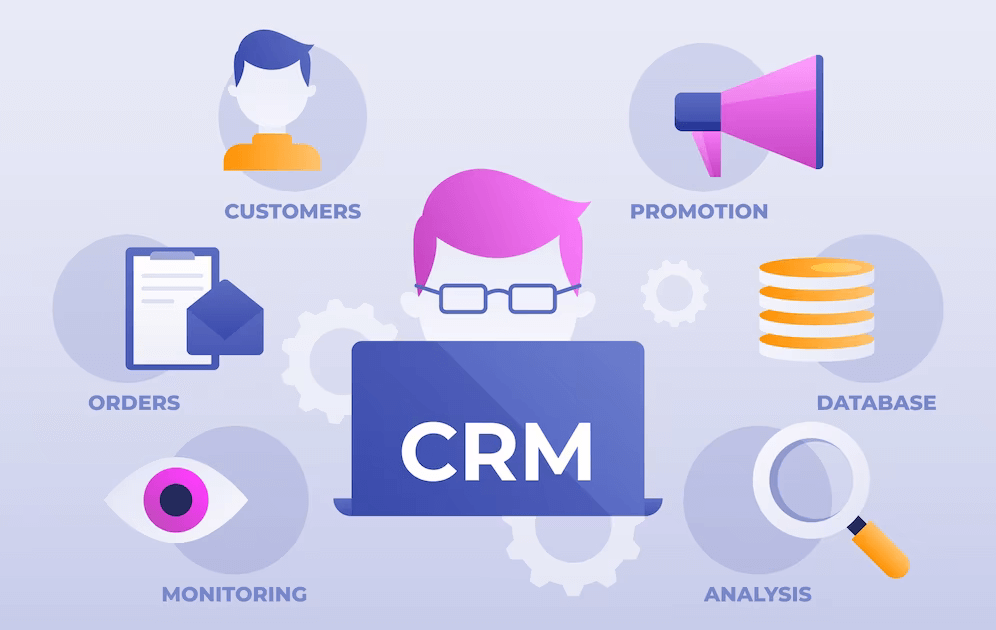
    CRM tools (Customer Relationship Management tools) are software systems engineered to manage end-to-end customer lifecycles, from initial lead capture and negotiation stages to post-purchase support. Without the right software architecture, customer data fragments across disconnected apps, response speeds deteriorate, and valuable sales opportunities slip through the cracks.

    Why CRM Tools Are Essential for Modern Business Growth

    Adopting a customer relationship management platform extends far beyond logging contact names and phone numbers. Key reasons why modern enterprises rely on crm tools in daily operations include:

    1. Centralized Customer Database Management

    CRM software consolidates conversation records, purchase histories, and custom client notes inside a single secure database. This centralization prevents critical contact loss during internal team transitions or staff turnover.

    2. Intelligent Sales Workflow Automation

    Sales representatives frequently lose productive hours to repetitive administrative tasks. Connecting an intelligent WhatsApp AI Chatbot to your CRM platform automates early lead qualification and resolves routine inquiries 24/7 without human delay.

    3. Seamless Conversational Channel Integration

    Modern commercial transactions increasingly originate from messaging applications. By deploying an integrated Omnichannel Application, your CRM system connects natively to WhatsApp, Instagram DM, and website live chat, allowing teams to manage all conversations from a single shared inbox.

    4. Secure and Verified High-Volume Messaging

    For periodic customer nurturing or promotional campaigns, businesses can connect CRM workflows with official WhatsApp Business API infrastructure. This integration enables verified Green Tick messaging and high-volume broadcasts protected from account ban risks.

    Core Features to Look for in Modern CRM Tools

    Before selecting a platform for your organization, ensure the software provides the following core functional capabilities:

    Core Feature Operational Function Sales Team Benefits
    Contact & Lead Management Captures detailed buyer profiles, lead categories, and interaction logs. Enables reps to understand specific buyer needs instantly.
    Sales Pipeline Tracking Visualizes transaction stages from initial discovery to deal closing. Helps representatives prioritize high-value, high-intent prospects.
    Auto Assignment & Routing Distributes inbound inquiries and support tickets evenly among active reps. Keeps First Response Times (FRT) balanced and fast.
    Analytics & Reporting Dashboards Reports agent productivity, pipeline conversion rates, and SLA speeds. Provides leadership with actionable visibility for data-driven decisions.

    Strategic Steps to Implement CRM Tools in Your Organization

    To ensure smooth software onboarding and strong team adoption, follow this structured implementation framework:

    1. Define Clear Operational Objectives: Establish measurable KPIs to improve, such as reducing First Response Time, boosting repeat purchase rates, or organizing disorganized prospect databases.
    2. Select an Intuitive, User-Friendly Platform: Choose an interface that sales and support teams can navigate effortlessly without protracted training cycles.
    3. Connect Primary Customer Communication Channels: Integrate your CRM directly with the messaging touchpoints your buyers use most, particularly conversational platforms like WhatsApp.
    4. Conduct Continuous Training and System Audits: Provide structured user guidelines to all staff and evaluate weekly analytics reports to monitor team platform adoption.

    To discover how conversational intelligence automates support and sales workflows, review our guide on AI Customer Service Implementation Strategies.

    Frequently Asked Questions (FAQ)

    Are CRM tools designed exclusively for large enterprises?

    No. Small and growing businesses benefit substantially from CRM systems, as structured data management enables lean teams to manage hundreds of leads effectively without losing opportunities.

    How do CRM tools improve sales conversion rates?

    By preserving complete interaction histories, sales representatives can execute relevant, value-driven follow-ups at the optimal moment, making buyers feel understood and accelerating purchasing decisions.

    How long does it take to deploy cloud-based CRM tools?

    Modern cloud CRM platforms like Cekat.ai deploy rapidly, allowing businesses to configure workspaces, import databases, and connect communication channels within days without dedicated on-premise servers.

    Conclusion

    Implementing the right crm tools is a foundational strategic investment for building scalable business operations in the digital economy. With structured database management, automated communication workflows, and clear operational visibility, your organization empowers teams to work productively while delivering world-class buyer experiences.

    Prevent prospect leakage and lost revenue from unorganized data. Modernize your sales and customer support operations with integrated CRM tools today.

  • Customer Service Tools for Business, Which are the Best?

    Customer Service Tools for Business, Which are the Best?

    Key Advantages

    • Customer Service Tools empower modern organizations to manage high-volume inbound inquiries across multiple touchpoints efficiently to safeguard buyer satisfaction and sales conversion rates.
    • Accelerated Response Times: Slashes customer wait times significantly through automated messaging and structured communication workflows.
    • Unified Conversation Management: Eliminates dropped messages by centralizing inquiries across WhatsApp, social channels, and web live chat.
    • Operational Cost Efficiency: Handles expanding conversation volumes without inflating frontline support headcount.
    • Real-Time Performance Analytics: Delivers precise operational metrics on support team productivity and issue resolution speed.

    In today’s fast-paced digital marketplace, customer expectations regarding support responsiveness and quality have escalated sharply. Modern buyers are no longer willing to wait hours for email replies or wait in long phone queues. They expect fast, accurate, and context-aware responses directly through their preferred messaging channels at any time.

    For scaling enterprises, relying on manual agents to juggle thousands of conversations across disconnected mobile apps is a high-risk operational model. Beyond driving team burnout, manual processes inevitably create message backlogs, slow response times, and lost revenue to faster competitors. This is where adopting specialized customer service tools becomes a foundational requirement for operational scaling.

    What Are Customer Service Tools and Why Do They Matter?

    Customer service tools represent a purpose-built ecosystem of software applications, digital workflows, and automation platforms designed to facilitate, streamline, and optimize end-to-end interactions between a business and its customers. This infrastructure spans various technical layers, from structured ticketing systems and omnichannel shared inboxes to generative AI chatbots.

    The primary objective of these tools extends far beyond sending automated autoreplies; they establish a centralized relationship management framework ensuring buyers receive consistent, high-touch experiences across every touchpoint. By deploying the right toolset, organizations transform their customer support operations from traditional cost centers into sustainable revenue drivers.

    Essential Types of Customer Service Tools for Modern Business

    To establish a resilient customer support architecture, businesses must understand the primary categories of customer service tools and their distinct functional capabilities:

    Tool Category Primary Function Core Enterprise Benefits
    Omnichannel Shared Inbox Consolidates incoming inquiries from WhatsApp, Instagram, TikTok, Telegram, and website live chat into one dashboard. Eliminates app-switching friction and fosters seamless cross-agent team collaboration.
    AI Chatbots & Conversational Automation Resolves repetitive FAQs, guides product discovery, and captures qualified prospect leads 24/7. Delivers zero-latency instant responses while cutting administrative labor overhead significantly.
    Official Messaging API Infrastructure Provides verified API gateway access to platforms like WhatsApp for official Green Tick badges and mass broadcasts. Builds brand authority, ensures enterprise data security, and prevents account ban risks.
    Helpdesk & Ticketing Systems Logs, categorizes, and routes complex customer inquiries into structured, trackable support tickets. Guarantees complex technical issues and billing inquiries resolve within strict SLA targets.
    Knowledge Base & Self-Service Portals Hosts a searchable customer repository of troubleshooting guides, technical docs, and FAQs. Empowers customers to resolve standard inquiries independently without opening support tickets.

    Strategic Benefits of Implementing Customer Service Tools

    Integrating modern customer support software delivers transformative improvements across the entire organizational value chain:

    1. True 24/7 Responsive Engagement

    Consumer buying journeys do not adhere strictly to office business hours. Significant transaction volumes occur during late evenings, weekends, and holidays. With automated workflows, your organization greets prospective buyers, presents interactive product catalogs, and logs orders continuously around the clock.

    2. Enhanced Agent Productivity and Focus

    By routing 70% to 80% of routine inquiries (such as order status checks, operating hours, and store directions) to automated assistants, human support teams dedicate their focus to high-value interactions requiring deep empathy, complex problem solving, and sales closing negotiations.

    3. Seamless Ecosystem Integration with Cekat.ai

    To establish a fully unified customer communication stack, organizations can leverage interconnected solutions from Cekat.ai:

    • Deploy an Omnichannel Application to consolidate conversations across WhatsApp, Instagram DM, and social channels into a single unified workspace.
    • Leverage the official WhatsApp Business API to secure official Green Tick verified status and execute high-volume broadcasts protected from account ban penalties.
    • Implement an intelligent WhatsApp AI Chatbot to provide human-like, context-grounded automated responses trained on internal product documentation.

    4. Data-Driven Decision Making and Operational Visibility

    Manual chat management provides zero operational visibility into support team output. Modern service platforms deliver real-time reporting dashboards that track essential Key Performance Indicators (KPIs), including:

    • First Response Time (FRT): The average time elapsed before an agent delivers the initial reply.
    • First Contact Resolution (FCR): The percentage of customer issues resolved completely within the first interaction.
    • Customer Satisfaction Score (CSAT): Direct feedback measuring buyer sentiment following support interactions.
    • Average Handling Time (AHT): The total duration required to handle and resolve an inquiry from start to finish.

    Framework for Selecting the Right Customer Service Tools

    To maximize return on investment (ROI), organizations should follow a structured evaluation methodology when selecting support technology:

    1. Identify Core Customer Touchpoints: Audit where your target buyers interact most frequently. If customer inquiries concentrate primarily on WhatsApp and Instagram, prioritize platforms engineered natively for conversational messaging.
    2. Evaluate API and Ecosystem Compatibility: Ensure candidate software integrates cleanly with internal CRM databases, e-commerce platforms, and inventory management systems.
    3. Prioritize Intuitive User Interfaces: Complex, cluttered agent interfaces prolong team onboarding curves. Select an intuitive platform so support representatives can operate productively from day one without extensive training cycles.
    4. Validate Enterprise Security and Local Support: Partner with trusted providers that comply with enterprise data encryption standards and offer responsive technical support teams.

    To explore how conversational intelligence streamlines customer operations, review the operational breakdown on AI Customer Service Architecture and Implementation.

    Frequently Asked Questions (FAQ)

    Are customer service tools suitable for small and medium-sized businesses?

    Yes. Small and growing businesses benefit substantially from support software, as automation enables small teams to handle high conversation volumes without dropping leads or burning out staff.

    Does conversational automation remove the human touch from support?

    No, when properly architected. Automation handles repetitive, transactional inquiries efficiently. When conversations require nuanced judgment or empathy, the system transfers the chat to a human representative with full conversation context.

    How long does it take to implement cloud customer service software?

    Modern cloud platforms deploy rapidly. Using solutions like Cekat.ai, organizations can connect business channels and configure automated workflows in days without complex custom coding.

    Conclusion

    Investing in the right customer service tools is no longer just a technical upgrade; it is a foundational growth strategy to drive operational efficiency and protect customer loyalty in competitive markets. By unifying messaging channels, deploying context-aware automation, and monitoring performance metrics transparently, your organization can deliver world-class customer experiences consistently.

    Prevent revenue loss from unaddressed buyer inquiries. Upgrade your customer support infrastructure today to manage every interaction from one centralized dashboard.

  • How to Register WhatsApp Business API: Official Meta Setup Guide

    How to Register WhatsApp Business API: Official Meta Setup Guide

    Executive Summary & Value Proposition

    • Official Meta Infrastructure: Secures high-volume broadcast dispatches without account ban penalties.
    • Centralized Multi-Agent Operations: Connects a single phone line across team representatives using WhatsApp multi agent software.
    • AI-Powered Workflow Automation: Integrates messaging touchpoints directly with autonomous AI Agents and internal CRM platforms.
    • Verified Brand Authority: Qualifies your business profile for official Meta Green Tick verification.

    Managing high-volume customer communications requires a resilient, enterprise-grade messaging architecture. When daily incoming inquiries exceed the operational capacity of mobile applications, learning how to register whatsapp business api becomes an essential step for scaling business operations.

    Meta’s official platform infrastructure is built specifically for organizations requiring system integrations, automated responses, and multi-agent queue management on a single phone line. Understanding these requirements is essential because architectural differences between WhatsApp API and standard WhatsApp Business impact how backend systems handle automated messaging and enterprise integrations.

    Why Growing Enterprises Adopt the WhatsApp Business Platform

    The WhatsApp Business API connects directly via backend integrations into operational dashboards. This architecture offers support and sales teams full flexibility when handling thousands of daily customer interactions.

    Key operational capabilities include:

    Document Requirements & Business Verification Checklist

    Meta enforces strict screening procedures to ensure all connected API accounts represent legitimate commercial entities.

    Before initiating the application process, assemble the following business verification assets:

    1. Corporate Registration Documents: Tax identification numbers, business registration licenses, or articles of incorporation.
    2. Meta Business Manager Account: An active corporate manager portal ready for organizational verification.
    3. Official Business Website: An operational domain displaying your company name, physical address, domain email, and contact numbers.
    4. Dedicated Phone Number: A phone line not currently registered on consumer or standard WhatsApp applications.

    Step-by-Step WhatsApp Business API Onboarding Workflow

    API onboarding is completed through a structured verification workflow in partnership with an official solution provider.

    1. Select an Official Partner (WhatsApp BSP Indonesia)

    API access cannot be downloaded directly from mobile app stores. Applications must be submitted through an approved whatsapp bsp indonesia providing API gateway access and local integration support.

    2. Configure Meta Business Manager

    Connect your commercial entity to Meta’s management portal. Fill in all corporate profiles, operational contact details, and link your verified domain.

    3. Complete Business Verification (Meta Business Manager Verification)

    Upload corporate registration certificates to complete the meta business manager verification process. Meta audits data consistency across legal documents, company ownership, and active web domains.

    4. Register and Authenticate Business Phone Line

    Input your dedicated business phone number. The system dispatches a one-time security passkey (OTP) via SMS or voice call to verify line ownership.

    5. Submit Outbound Message Templates

    Once verified, create transactional or greeting message templates adhering to official Meta WhatsApp message template guidelines prior to initiating outbound customer conversations.

    Understanding WhatsApp Business API Pricing Models

    The fee structure for whatsapp business api pricing 2026 operates on a 24-hour conversation-based model established directly by Meta.

    Primary cost components include:

    • Meta Session Fees: Per-conversation charges for 24-hour windows, varying by message category (Marketing, Utility, Authentication, or Service) according to standard regional WhatsApp API cost structures.
    • BSP Platform Fees: Monthly software subscriptions covering inbox management, server hosting, and integrated sales crm modules.

    Streamline Your API Registration with Cekat.ai

    Navigating corporate verification and technical API configurations is effortless with Cekat.ai. As a unified communication automation platform, Cekat.ai manages account registration, Meta verification, and backend CRM integration end-to-end.

    Scale your customer support capacity and sales automation with Cekat.ai today.


    Frequently Asked Questions (FAQ)

    How long does the WhatsApp Business API registration take?

    With complete corporate registration documents, Meta Business Manager verification generally completes within 3 to 7 business days.

    Can an existing mobile WhatsApp number be migrated to the API?

    Yes. However, the existing account must be deleted from the mobile WhatsApp application before registering it onto the API platform.

    Does API registration guarantee an official Green Tick badge?

    Official Business Account (Green Tick) status is evaluated separately by Meta based on brand authority. However, having an active API account is a mandatory prerequisite.

    What happens if Meta Business Manager verification is rejected?

    Rejections typically result from name mismatches on legal documents or inactive websites. Cekat.ai assists in auditing files and filing appeals directly with Meta.


  • How to Create a WhatsApp AI Bot Without Coding: Complete Guide

    How to Create a WhatsApp AI Bot Without Coding: Complete Guide

    Executive Summary & Value Proposition

    • No-Code Rapid Deployment: Build an interactive virtual assistant without hiring internal software engineering teams.
    • SOP-Grounded Accuracy: Leverages internal corporate document repositories to answer customer inquiries precisely.
    • 24/7 Automated Support: Reduces incoming message queues and accelerates response SLA times automatically.
    • Operational Scalability: Handles thousands of concurrent conversations without compromising customer support quality.

    The growth of digital transactions demands consistent response speeds across all communication channels. When support teams become overwhelmed answering repetitive inquiries regarding product specifications, pricing lists, or service procedures, learning how to create a whatsapp ai bot provides a practical solution to maintain buyer satisfaction without increasing staff workloads.

    Modern artificial intelligence technologies enable the creation of smart conversational assistants capable of understanding natural language context rather than following rigid button menus. This implementation is easily deployed using cloud-connected whatsapp business api infrastructure.

    Rule-Based Bots vs. Generative AI WhatsApp Bots

    Many organizations still rely on conventional chatbots that operate on rigid decision trees or static keyword triggers. When customers type phrases outside pre-scripted scenarios, these systems frequently stall.

    Conversely, building an AI-powered conversational assistant without writing code offers superior operational flexibility:

    • Natural Language Understanding (NLP): Interprets sentence variations, abbreviations, and typos without losing inquiry intent.
    • Contextual Processing: Maintains multi-turn conversation histories to deliver personalized, relevant replies.
    • Business Document Processing: Reads and synthesizes information directly from internal SOP manuals, product catalogs, or FAQ docs.
    • Human Escalation Routing: Transfers complex conversations automatically to human representatives via an omnichannel application when special handling is required.

    Step-by-Step Workflow to Build a WhatsApp AI Bot Without Coding

    Building an intelligent chat assistant can now be accomplished through visual interfaces without writing lines of code.

    Here is the core deployment roadmap for your business:

    1. Connecting Your Business Line to the WhatsApp API

    Integrate your official business phone line into a central management platform. This step ensures your bot operates on a resilient cloud network protected from account ban risks.

    2. Uploading Your AI Chatbot Knowledge Base

    The most critical step is training your AI model using internal documentation. Upload FAQ manuals, product catalogs, service guides, or SOP files into your knowledge base ai chatbot repository. The system ingests these documents as its primary source of truth for customer replies.

    3. Defining System Instructions and Guardrails

    Establish the tone, voice, and operational boundaries of your virtual assistant. Setting clear system prompts ensures responses remain professional and prevents the bot from providing unauthorized information.

    4. Activating Automated AI Response Rules

    Configure automated response triggers using a dedicated auto reply whatsapp ai module. Define operational hours, welcome greetings, and specific conditions for instant replies upon message reception.

    5. Conducting Scenario Testing and Simulation

    Test bot performance using simulated customer inquiries ranging from standard questions to edge cases. Evaluate response accuracy and update source documents whenever information gaps appear.

    Evolving Chatbots into Autonomous AI Agents

    Deploying virtual assistants extends beyond handling routine FAQ inquiries. Deeper system integrations allow conversational assistants to execute operational tasks autonomously.

    Deploying specialized ai agent whatsapp systems enables bots to check real-time inventory, calculate shipping estimates, and capture prospect leads directly into CRM pipelines. To review technical capabilities and architectural differences, explore our analysis on fundamental differences between chatbots and AI agents for enterprise business.

    Build Your WhatsApp AI Bot Seamlessly with Cekat.ai

    Creating an intelligent, document-grounded chat assistant is fast and intuitive with Cekat.ai. The Cekat.ai platform provides a no-code bot builder, instant knowledge base ingestion, and official WhatsApp API connectivity to accelerate your operations.

    Start building your business WhatsApp AI bot and elevate support efficiency with Cekat.ai today.


    Frequently Asked Questions (FAQ)

    Does building a WhatsApp AI bot on Cekat.ai require coding skills?

    No. Cekat.ai is a visual no-code platform that allows business teams to upload SOP documents and configure response workflows without engineering effort.

    What document formats can be used to train a WhatsApp AI bot?

    You can upload PDF, Word, or plain text files containing FAQs, product catalogs, customer service SOPs, and return policies.

    What happens if the WhatsApp AI bot does not know the answer to a question?

    The bot politely indicates that the information is unavailable and automatically routes the conversation to a human customer support agent queue.


  • How to Follow Up on WhatsApp Sales to Close Deals: Complete Guide

    How to Follow Up on WhatsApp Sales to Close Deals: Complete Guide

    Executive Summary & Value Proposition

    • Increased Sales Conversions: Converts hesitant prospects into active buyers using structured messaging frameworks.
    • Sales Team Time Savings: Leverages pre-built scripts and message templates to maintain consistent communication quality.
    • Automated Reminder Scheduling: Dispatches proposal follow-ups periodically without manual spreadsheet tracking.
    • Lead Leakage Prevention: Guarantees every prospect receives timely attention through final purchasing decision stages.

    Acquiring new prospect contact details is only the first step in the sales pipeline. A primary challenge faced by sales representatives is prospects going quiet after receiving pricing quotes or product presentations. Without a structured communication framework, learning how to follow up on whatsapp determines whether a lead converts into revenue or fades away.

    Overly aggressive communication frequently alienates prospective buyers, driving them to block business accounts. Therefore, follow-up strategies must be designed subtly, providing context and focusing on solving buyer problems. Deploying dedicated automated follow up modules allows sales teams to schedule reminders seamlessly without pressuring prospects.

    Why Prospects Stop Replying to Sales Proposals

    Before drafting follow-up messages, it is essential to understand why prospective buyers disengage after receiving initial proposal details.

    Primary reasons for prospect delays include:

    • Operational Distractions: Buyers read messages while working or traveling, then forget to reply.
    • Unclear Value Proposition: Product benefits were not articulated clearly relative to the required financial investment.
    • Vendor Evaluation Processes: Prospects are actively comparing similar proposals from competing providers.
    • Internal Approval Workflows: In B2B sales cycles, purchasing decisions require multi-stakeholder management approvals.

    Drafting High-Converting WhatsApp Sales Follow-Up Scripts

    Effective dispatches must deliver fresh value rather than repeatedly asking for purchasing decisions.

    Here is a structured framework for building results-driven follow-up messages:

    1. Contextual and Personalized Greetings

    Open messages by addressing the prospect by name and referencing specific points from previous discussions. Avoid rigid or overly generic broadcast templates.

    2. Value-Add Content Delivery

    Incorporate case studies, relevant client testimonials, or product guides into your outreach. This approach establishes credibility and demonstrates that your business understands their specific operational challenges.

    3. Low-Friction Open-Ended Questions

    Conclude dispatches with a single, clear question that invites an easy response, such as asking if proposal scope adjustments are required.

    Stage-Based Proposal Follow-Up Templates

    Different conversation stages require tailored messaging strategies based on prospect engagement levels.

    Utilize these stage-specific outreach frameworks for your sales team:

    24-Hour Post-Proposal Outreach

    The primary focus at this stage is confirming that pricing breakdowns were received clearly and opening dialogue for technical questions.

    3-Day Value-Add Outreach

    Deliver supporting materials such as industry reports or cost-efficiency calculators. Managing these nurturing sequences is significantly cleaner when connected to a sales crm platform to track interaction histories per contact.

    Final Break-Up Outreach

    If prospects remain non-responsive after multiple attempts, dispatch a polite closing message asking if evaluation timelines have shifted. This technique frequently prompts immediate replies from interested buyers.

    Determining the Best Time to Send Follow-Up Messages

    Outreach timing significantly impacts response rates. Aligning dispatch schedules with buyer routines increases message open and reply metrics.

    Recommended outreach windows include:

    • 09:00 AM – 10:30 AM: As prospective buyers begin their workday and review mobile notifications.
    • 01:30 PM – 03:00 PM: Following lunch breaks as afternoon schedules settle.
    • Avoid Monday Mornings and Friday Afternoons: Monday mornings are dominated by internal meetings, while Friday afternoons shift focus toward the weekend.

    For sales teams managing large prospect databases, dispatches can be scheduled securely using official wa blast infrastructure without manual rep effort.

    Automate Your Sales Follow-Up Pipeline with Cekat.ai

    Following up with prospects no longer requires manual, one-by-one outreach. With Cekat.ai, you can design personalized, behavior-triggered reminder sequences automatically.

    To deepen your outreach methodology, explore our resource on practical lead follow-up management strategies.

    Automate your WhatsApp sales pipeline and drive higher closing rates with Cekat.ai today.


    Frequently Asked Questions (FAQ)

    How many times should a sales rep follow up with a prospect?

    An ideal benchmark is 3 to 5 follow-up attempts with proportional spacing (e.g., 1-day, 3-day, and 7-day intervals) before sending a final break-up message.

    What should a rep do if a prospect reads a message but does not reply?

    Avoid sending immediate sales pushes. Instead, share value-add content like a brief case study or ask a low-pressure question about their current evaluation challenges.

    Is automated follow-up on WhatsApp safe from account bans?

    Yes, provided dispatches route through official Meta WhatsApp API infrastructure with natural delays and personalized messaging aligned with buyer needs.


  • How to Cut CS Response Times by Up to 80%: Operational Guide

    How to Cut CS Response Times by Up to 80%: Operational Guide

    Executive Summary & Value Proposition

    • Reduced Customer Wait Times: Drops inquiry reply durations from hours to seconds using automated queue routing.
    • Improved SLA Compliance: Guarantees all support inquiries resolve within defined corporate response timeframes.
    • Operational Cost Efficiency: Scales conversation capacity without expanding support team headcount.
    • Higher Customer Retention: Prevents order drop-offs caused by slow messaging response times.

    In high-velocity digital markets, response speed serves as a primary benchmark for evaluating service quality. When prospective buyers wait hours for stock confirmation or payment details, drop-off risks increase significantly. Executing strategies aimed at cutting cs response times is a critical priority for operations managers seeking to maintain buyer satisfaction while increasing sales conversion rates.

    Support queue bottlenecks usually stem from manual workflows. When team members navigate disparate messaging applications independently, resolution durations inflate and create cascading delays across incoming inquiry queues.

    Identifying Core Causes of Support Response Delays

    The first step when designing an automated customer support resolution framework is identifying operational bottlenecks within daily workflow routines.

    Primary operational factors driving slow response rates include:

    • Manual Knowledge Retrieval: Representatives spend excessive time searching internal files for SOP guidelines, product specifications, or warranty rules.
    • Repetitive Query Volume: Incoming queues are dominated by routine questions regarding office hours, store locations, or shipping status tracking.
    • Fragmented Communication Channels: Representatives switch manually across disparate WhatsApp, Instagram, and email inboxes.
    • Uneven Ticket Distribution: Absence of automated routing engines to assign incoming chat loads equitably across active reps.

    Establishing Standard CS Response Time Benchmarks

    To measure operational efficiency accurately, organizations must track key quantitative service metrics.

    Essential support KPIs to monitor include:

    1. First Response Time (FRT)

    This metric measures the duration from initial customer message dispatch to the first response from a business representative. On instant messaging channels, ideal FRT benchmarks remain under two minutes.

    2. Average Resolution Time (ART)

    ART measures the total duration from issue registration to complete resolution. Tracking this metric guarantees adherence to operational customer service sla standards across support tiers.

    Actionable Steps to Eliminate Slow Customer Support Response Rates

    Slashing reply durations by up to 80% requires combining automation technologies with restructured team workflows.

    Strategic steps to accelerate business messaging operations include:

    1. Consolidating Messaging Inboxes into One Unified Portal

    Unify inbound channels across WhatsApp, Instagram Direct Messages, and website live chat into a single omnichannel application. Centralization eliminates time lost switching between browser tabs.

    2. Automating Responses to Routine Inquiries

    Deploy a WhatsApp AI chatbot to resolve recurring questions instantly 24/7. Automated systems handle up to 70% of routine inquiries without human rep intervention.

    3. Providing Centralized Internal Knowledge Repositories

    Equip support teams with a centralized knowledge base system. This repository enables representatives to locate SOP guidelines or technical specs in seconds while drafting replies.

    4. Implementing Automated Ticket Escalation

    Deploy a ticketing management system to route high-priority issues directly to specialized divisions. Automated assignment structures resolve operational bottlenecks and prevent support ticket SLA queue bottlenecks.

    Accelerate Your Customer Support Response Speeds with Cekat.ai

    Improving support response speeds no longer requires expanding headcount. The Cekat.ai platform delivers end-to-end communication automation, from instant AI replies and automated ticket routing to real-time team SLA performance analytics.

    Slash your messaging response times and elevate buyer satisfaction with Cekat.ai today.


    Frequently Asked Questions (FAQ)

    What is the ideal First Response Time benchmark for WhatsApp customer support?

    For instant messaging channels like WhatsApp, an ideal First Response Time benchmark is under 1 to 2 minutes for initial replies.

    Does using automated AI replies diminish brand personalization?

    No. Modern AI engines can be configured with friendly, natural tone guardrails aligned with brand voice, while offering seamless human agent escalation options.

    How do operations managers track team SLA compliance in real time?

    SLA compliance is tracked via Cekat.ai analytics dashboards, which automatically record First Response Times, ticket resolution durations, and agent metrics.


  • 7 Best WhatsApp CRM Software Alternatives in Indonesia

    7 Best WhatsApp CRM Software Alternatives in Indonesia

    Executive Summary & Value Proposition

    • Conversational Channel Centralization: Consolidates customer chat histories and sales pipeline statuses within a single unified view.
    • Automated Sales Workflows: Triggers follow-up messages and transactional notifications automatically based on prospect actions.
    • Flexible Platform Options: Assists enterprises in selecting customer relationship management software aligned with operational budgets.
    • Ban-Free Network Infrastructure: Utilizes official Meta API connections to guarantee long-term business account security.

    Managing customer databases and messaging channels separately introduces operational friction. When sales representatives enter contact details manually from chat windows into spreadsheets, lead leakage risks and follow-up delays increase. Evaluating whatsapp crm software alternatives is a priority for enterprises requiring integrated messaging management with flexible cost structures and features.

    The Indonesian technology market offers diverse customer relationship management platforms. Selecting the right software requires evaluating integration ease, network stability, and local technical support availability.

    Critical Criteria When Selecting WhatsApp CRM Software

    Before selecting a platform, organizations must verify that the software possesses core capabilities to support business growth.

    Essential evaluation criteria include:

    • Official Meta API Support: Guarantees bulk dispatches and automation run over compliant channels protected from ban risks.
    • Multi-Agent Inbox Capacity: Enables a single official number to be shared across representatives via a whatsapp multi agent system.
    • Automated Pipeline Tracking: Updates deal stages automatically based on ongoing conversation milestones.
    • Seamless System Integration: Connects contact records into an enterprise customer database to track transaction histories comprehensively.

    7 Recommended WhatsApp CRM Software Alternatives in Indonesia

    Here is an evaluation of leading customer relationship and messaging management platforms for your business consideration:

    1. Cekat.ai

    Cekat.ai is an AI-powered communication automation and sales crm platform designed for mid-market and enterprise businesses in Indonesia. The platform excels at offering no-code AI virtual assistant integration, multi-agent inbox management, and flexible sales pipeline automation with efficient operational costs. Understanding key evaluation criteria for WhatsApp-centric CRM software serves as an essential framework prior to finalizing architecture choices.

    2. HubSpot CRM (with WhatsApp Integration)

    HubSpot provides a globally recognized CRM ecosystem for inbound marketing management. Connecting to WhatsApp requires third-party marketplace application integration via API libraries.

    3. Zoho CRM

    Zoho offers extensive sales pipeline customization for B2B organizations. The platform supports instant messaging integration to log chat threads directly onto deal records.

    4. Salesforce Sales Cloud

    This enterprise CRM solution is engineered for large corporations with complex sales organizational structures. Messaging connectivity is handled through unified omnichannel modules.

    5. Freshsales (Freshworks)

    Freshsales delivers an intuitive visual pipeline interface with prospect behavior tracking features. Users can connect business numbers to dispatch message templates directly from deal cards.

    6. Bitrix24

    Bitrix24 combines project management, team collaboration, and CRM tools within a single package. The platform supports instant messaging channels for internal customer chat management.

    7. Pipedrive

    Pipedrive focuses on pipeline stage management simplicity for field sales teams. WhatsApp integration enables automatic logging of communication activities into deal histories.

    Evaluating Platform Costs and Feature Values

    The evaluation process must address transparent pricing models alongside feature completeness. Reviewing feature and pricing comparisons for CRM software in Indonesia helps companies calculate realistic return on investment (ROI) projections.

    Additional factors to evaluate include Meta conversation session rates alongside monthly platform software fees established by each solution provider.

    Why Cekat.ai Is the Right Choice for Your Enterprise

    As a specialized solution provider, Cekat.ai delivers an omnichannel application combining official whatsapp business api onboarding, AI-driven response automation, and lead management inside a single portal.

    Accelerate your sales pipeline growth and elevate team efficiency with Cekat.ai today.


    Frequently Asked Questions (FAQ)

    Do all CRM platforms listed above support official WhatsApp API access natively?

    Some platforms require third-party BSP marketplace connectors, whereas Cekat.ai provides native official WhatsApp API connectivity directly within its platform.

    How do we migrate contact databases from an existing CRM to Cekat.ai?

    Data migration is performed via structured CSV/Excel imports or by utilizing connected API integration endpoints.

    Is WhatsApp CRM software secure for storing private customer data?

    Yes, provided the platform enforces enterprise data encryption, role-based agent permissions, and complies with applicable personal data protection regulations.


  • Strategies for Organizing and Automating Your WhatsApp Customer Database

    Strategies for Organizing and Automating Your WhatsApp Customer Database

    Executive Summary & Value Proposition

    • Centralized Contact Storage: Prevents buyer data scattering across personal sales handsets or manual spreadsheets.
    • Precision Audience Segmentation: Groups buyer profiles by purchase history to increase promotional message relevance.
    • Automated Data Synchronization: Records contact updates and chat histories automatically into central repositories.
    • Corporate Asset Protection: Ensures your complete customer database remains securely hosted in enterprise cloud servers.

    A contact database represents one of the most critical digital assets for modern enterprises. When thousands of chats arrive monthly, relying on manual entry inside mobile address books or Excel spreadsheets risks data leakage and contact duplication. Establishing an integrated customer database management framework is essential for organizations seeking long-term buyer relationships and higher repeat purchase rates.

    The primary operational hurdle faced by sales teams is managing expanding contact lists without losing buyer interaction context. Without structured organization, marketing campaigns and service alerts risk landing on irrelevant audiences, triggering spam complaints.

    Risks of Managing Customer Contacts Manually

    Relying on standard mobile contact storage introduces significant operational risks that hinder business growth.

    Key risks associated with unmanaged contact storage include:

    • Contact Asset Loss: Customer contact details are lost if sales handsets break, get stolen, or when representatives leave the company.
    • Irrelevant Broadcast Messaging: Sending unsegmented bulk messages causes fatigue, driving recipients to block official business accounts.
    • Incomplete Transaction Histories: Sales representatives lack visibility into past purchases or previously reported support tickets.
    • Unmonitored Data Access Controls: Representatives can download or copy contact lists without supervision inside an enterprise customer database.

    Actionable Steps to Organize WhatsApp Customer Contacts

    Organizing conversational data requires establishing standardized data entry formats and centralizing contact logging.

    Strategic steps for structuring your messaging database include:

    1. Utilizing Structured Contact Tagging Systems

    The simplest starting point is deploying contact management tags to label conversation statuses. Categorize profiles according to sales funnel stages, such as new leads, pending payments, or loyal buyers.

    2. Enforcing Standardized Contact Naming Rules

    Establish uniform naming conventions across sales teams, such as combining customer names, regional locations, and product interest categories. Standardization simplifies contact retrieval during outreach campaigns.

    3. Implementing Behavior-Based Customer Segmentation

    Elevate engagement relevance by implementing dynamic audience segmentation workflows. Group profiles by purchase frequency, transaction values, or last purchase dates to deliver tailored offers.

    4. Connecting Contact Databases to Central CRM Platforms

    The most vital step for enterprise scaling is completing a sales crm integration. Whenever a new inquiry arrives, the system creates a structured contact profile card inside the sales pipeline. Structuring this data pipeline is explored further in our guide on linking WhatsApp channels with CRM platforms.

    Benefits of Integrated Contact Database Management

    Structured contact management empowers sales and support teams to execute data-driven campaigns efficiently.

    Core business benefits include:

    • Enhanced Personalization Capabilities: Representatives can greet buyers by referencing past product purchases directly.
    • Targeted Bulk Messaging Campaigns: Dispatch announcements or offers via official wa blast channels strictly to relevant audience segments. Implementing precise targeting is analyzed in our resource on effective WhatsApp broadcast segmentation strategies.
    • Protected Enterprise Data Assets: Contact records remain encrypted on cloud servers, preventing unauthorized exports by staff without supervisor approval.
    • Frictionless Team Hand-Offs: During representative transitions, new staff review full historical logs inside an omnichannel application without asking customers to repeat details.

    Automate Your WhatsApp Customer Database with Cekat.ai

    Organizing and managing thousands of buyer contacts is effortless with Cekat.ai. The Cekat.ai platform delivers an integrated customer data management module equipped with automated tagging, dynamic segmentation, and real-time synchronization with official Meta WhatsApp APIs.

    Protect your commercial contact assets and optimize your WhatsApp marketing strategy with Cekat.ai today.


    Frequently Asked Questions (FAQ)

    Can customer contact data be imported in bulk into Cekat.ai via Excel?

    Yes. You can upload contact database files in CSV or Excel formats in bulk into Cekat.ai within seconds.

    How does Cekat.ai prevent contact profile duplication?

    Cekat.ai uses phone numbers as unique identifiers, ensuring that when an existing customer reaches out, their new chat history updates onto their existing profile card automatically.

    Can sales representatives export corporate customer contacts for personal use?

    No, provided agent permission roles are configured. Supervisors can disable data export permissions, keeping agent interactions restricted to the Cekat.ai dashboard.


  • How to Automate Lead Qualification on WhatsApp to Drive Closing Rates

    How to Automate Lead Qualification on WhatsApp to Drive Closing Rates

    Executive Summary & Value Proposition

    • Rapid Prospect Screening: Identifies buyer needs and purchasing intent automatically upon initial inquiry reception.
    • Sales Team Time Savings: Focuses sales rep energy on high-intent hot leads without getting bogged down by routine questions.
    • Targeted Chat Assignment: Routes prospective buyers directly to relevant sales specialists based on region or product category.
    • Higher Closing Conversions: Accelerates prospect movement through the sales pipeline via structured initial engagement.

    High incoming message volume does not automatically translate into revenue growth. A primary challenge faced by sales teams is spending time managing basic inquiries from contacts who lack immediate buying intent or budget. Deploying an automated lead qualification system is an essential strategy for separating high-potential buyers from passive window shoppers in real time.

    By automating early screening workflows, sales representatives can dedicate their energy to prospects ready for deal closing, significantly raising conversion rates.

    Why Manual Prospect Qualification Fails at Scale

    Relying on manual question-and-answer interactions to gather basic prospect details creates operational friction for expanding companies.

    Core limitations of manual qualification include:

    • Delayed First Responses: High-intent prospects switch to competitors when waiting hours for manual replies regarding basic service criteria.
    • Inconsistent Data Capture: Sales reps frequently forget to capture crucial variables like budget thresholds, project scope, or purchase timelines.
    • Senior Rep Queue Overloads: Experienced account executives spend valuable hours answering routine questions instead of negotiating deals.
    • Disorganized Prospect Profiling: Prospect attributes fail to synchronize into an enterprise customer database, making pipeline tracking difficult.

    Actionable Steps for In-Chat Lead Screening

    Transforming initial chat flows into automated qualification engines requires combining structured inquiry logic with automated routing rules.

    Key steps to implement structured in-chat lead screening include:

    1. Defining Core Qualification Variables (BANT Framework)

    Identify essential buyer attributes to capture, such as Budget, decision-making Authority, core Need, and purchase Timeline.

    2. Deploying Interactive Data Capture Assistants

    Deploy a WhatsApp AI chatbot to ask concise qualification questions upon initial message arrival. Assistants capture location, product requirements, and order scale without frustrating prospects.

    3. Implementing Automated Scoring Logic (WhatsApp Lead Scoring)

    Assign point values to prospect responses using a structured whatsapp lead scoring model. High-scoring prospects are automatically flagged as hot leads, while lower-scoring inquiries route into automated nurturing workflows.

    4. Establishing Instant Assignment Rules (Sales Chat Routing)

    Once qualification completes, trigger automated sales chat routing rules. Systems assign high-value prospect threads alongside summary data directly to active sales reps inside a sales crm platform.

    Integrating Qualification into Your WhatsApp Marketing Funnel

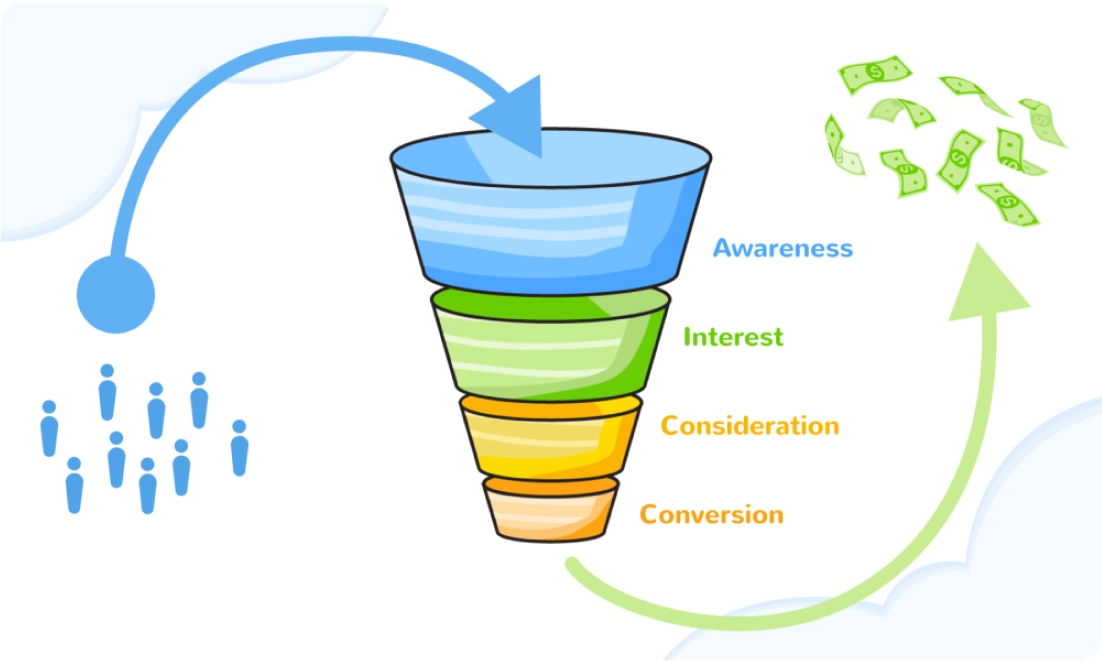
    Automated screening functions as an integral component of a complete whatsapp marketing funnel architecture.

    Automated screening routes prospects into appropriate downstream paths:

    • Hot Leads (Purchase-Ready): Transferred immediately to sales reps for consults or proposal delivery.
    • Warm Leads (Evaluating Options): Enrolled into automated content sequences sharing case studies and product guides to build trust.
    • Cold Leads (Low Immediate Intent): Retained inside contact databases for long-term marketing dispatches without cluttering daily active queues. Managing cold channels is explored in our guide on cold lead outreach automation techniques.

    Automate Your WhatsApp Lead Qualification with Cekat.ai

    Filter prospects automatically and empower your sales team to focus on deal closing using Cekat.ai. Cekat.ai provides interactive qualification chatbots, automated lead scoring, and intelligent chat routing integrated with official Meta WhatsApp APIs.

    Automate your sales qualification pipeline and boost conversion rates with Cekat.ai today.


    Frequently Asked Questions (FAQ)

    Do prospective buyers mind answering bot questions upon initial contact?

    No, provided questions remain brief, interactive, and deliver immediate value, such as surfacing relevant product recommendations based on their inputs.

    What happens if a prospect skips qualification questions?

    The automated workflow directs the conversation to a general help menu or presents an option to connect directly with a human representative.

    Are lead qualification scores logged directly into Cekat.ai CRM?

    Yes. All prospect responses and qualification scores log automatically onto the contact profile card within the Cekat.ai dashboard in real time.