Key Advantages
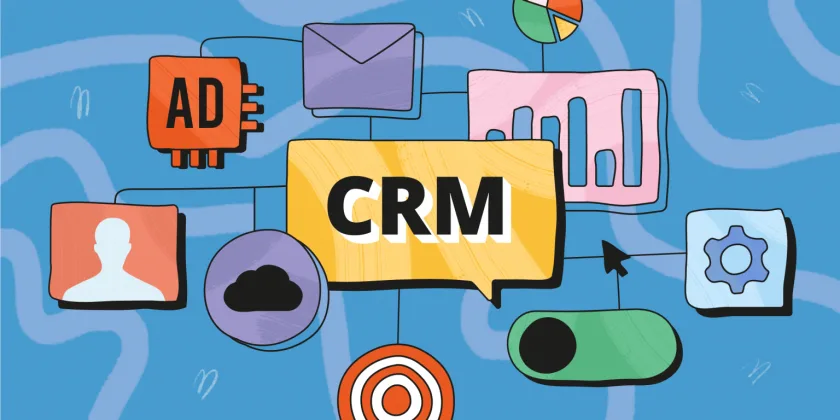
- Deploying modern CRM Tools empowers organizations to automate sales workflows and monitor leads from a centralized workspace.
- Real-Time Sales Pipeline Visibility: Tracks customer journeys transparently from initial inquiry through deal closing.
- Higher Customer Retention: Leverages interaction histories to deliver contextual offers and drive repeat purchases.
- Routine Task Automation: Alleviates sales administrative workloads through automated messaging workflows and ticket assignment.
- Cross-Functional Team Collaboration: Fosters seamless coordination among administrative staff, support agents, and sales representatives on a unified platform.
Driving business growth while maintaining strong customer relationships and peak sales efficiency is a primary operational challenge. When managing dozens of buyers, manual tracking via spreadsheets might suffice. However, as an enterprise scales and receives hundreds of daily customer inquiries, adopting dedicated crm tools becomes an absolute necessity.
CRM tools (Customer Relationship Management tools) are software systems engineered to manage end-to-end customer lifecycles, from initial lead capture and negotiation stages to post-purchase support. Without the right software architecture, customer data fragments across disconnected apps, response speeds deteriorate, and valuable sales opportunities slip through the cracks.
Why CRM Tools Are Essential for Modern Business Growth
Adopting a customer relationship management platform extends far beyond logging contact names and phone numbers. Key reasons why modern enterprises rely on crm tools in daily operations include:
1. Centralized Customer Database Management
CRM software consolidates conversation records, purchase histories, and custom client notes inside a single secure database. This centralization prevents critical contact loss during internal team transitions or staff turnover.
2. Intelligent Sales Workflow Automation
Sales representatives frequently lose productive hours to repetitive administrative tasks. Connecting an intelligent WhatsApp AI Chatbot to your CRM platform automates early lead qualification and resolves routine inquiries 24/7 without human delay.
3. Seamless Conversational Channel Integration
Modern commercial transactions increasingly originate from messaging applications. By deploying an integrated Omnichannel Application, your CRM system connects natively to WhatsApp, Instagram DM, and website live chat, allowing teams to manage all conversations from a single shared inbox.
4. Secure and Verified High-Volume Messaging
For periodic customer nurturing or promotional campaigns, businesses can connect CRM workflows with official WhatsApp Business API infrastructure. This integration enables verified Green Tick messaging and high-volume broadcasts protected from account ban risks.
Core Features to Look for in Modern CRM Tools
Before selecting a platform for your organization, ensure the software provides the following core functional capabilities:
| Core Feature | Operational Function | Sales Team Benefits |
| Contact & Lead Management | Captures detailed buyer profiles, lead categories, and interaction logs. | Enables reps to understand specific buyer needs instantly. |
| Sales Pipeline Tracking | Visualizes transaction stages from initial discovery to deal closing. | Helps representatives prioritize high-value, high-intent prospects. |
| Auto Assignment & Routing | Distributes inbound inquiries and support tickets evenly among active reps. | Keeps First Response Times (FRT) balanced and fast. |
| Analytics & Reporting Dashboards | Reports agent productivity, pipeline conversion rates, and SLA speeds. | Provides leadership with actionable visibility for data-driven decisions. |
Strategic Steps to Implement CRM Tools in Your Organization
To ensure smooth software onboarding and strong team adoption, follow this structured implementation framework:
- Define Clear Operational Objectives: Establish measurable KPIs to improve, such as reducing First Response Time, boosting repeat purchase rates, or organizing disorganized prospect databases.
- Select an Intuitive, User-Friendly Platform: Choose an interface that sales and support teams can navigate effortlessly without protracted training cycles.
- Connect Primary Customer Communication Channels: Integrate your CRM directly with the messaging touchpoints your buyers use most, particularly conversational platforms like WhatsApp.
- Conduct Continuous Training and System Audits: Provide structured user guidelines to all staff and evaluate weekly analytics reports to monitor team platform adoption.
To discover how conversational intelligence automates support and sales workflows, review our guide on AI Customer Service Implementation Strategies.
Frequently Asked Questions (FAQ)
Are CRM tools designed exclusively for large enterprises?
No. Small and growing businesses benefit substantially from CRM systems, as structured data management enables lean teams to manage hundreds of leads effectively without losing opportunities.
How do CRM tools improve sales conversion rates?
By preserving complete interaction histories, sales representatives can execute relevant, value-driven follow-ups at the optimal moment, making buyers feel understood and accelerating purchasing decisions.
How long does it take to deploy cloud-based CRM tools?
Modern cloud CRM platforms like Cekat.ai deploy rapidly, allowing businesses to configure workspaces, import databases, and connect communication channels within days without dedicated on-premise servers.
Conclusion
Implementing the right crm tools is a foundational strategic investment for building scalable business operations in the digital economy. With structured database management, automated communication workflows, and clear operational visibility, your organization empowers teams to work productively while delivering world-class buyer experiences.
Prevent prospect leakage and lost revenue from unorganized data. Modernize your sales and customer support operations with integrated CRM tools today.
Leave a Reply