
A sales rep reports via WhatsApp: “Visited stores A, B, and C today.” Next month, the manager cross-checks with the owner of store C. The owner says the sales rep never came. Investigation shows the rep used a fake GPS app to fake location, spending the day at home while reporting fictitious visits.
This is a structural problem in field sales teams, especially for FMCG, pharma, and distribution industries. Managers cannot manually verify dozens of visits per rep per day. Without proper validation, team activity reports become fiction that cannot be trusted.
Modern field sales tracking apps solve this with multi-layer validation: not just GPS coordinates, but also in-app photos (not gallery uploads), tamper-proof timestamps, and cross-check against pre-planned visit schedules.
This guide covers common fake GPS mechanisms, effective anti-fake GPS validation layers, implementation mistakes, and how to evaluate a field sales app ready for large-scale field operations.
Key Advantages
- Reliable activity reports: The visit numbers on the dashboard are visits that actually happened, not what was reported.
- Automatic fraud detection: Anomalies like visits at locations impossible to reach in the reported time are detected automatically.
- Coaching based on concrete data: Managers know which reps are genuinely productive and which need intervention.
- Fair compensation and bonus: Reps who genuinely visit get recognized; reps who fake do not.
Common Fake GPS Mechanisms
Before discussing anti-fake GPS, it is important to understand the mechanisms used to fake location.
Mock location apps. Applications like Fake GPS Location can override device GPS and send false coordinates to other apps. This is the most common and easiest method, doable without root access.
GPS spoofing with hardware. Special devices or hardware modifications that transmit false GPS signals. More sophisticated but rarer because it requires special equipment.
Screen mirroring and fake photos. Reps take photos of other locations (from the internet or previous visits) and upload them as visit proof. Does not involve GPS spoofing but is still fraud.
Device sharing with other sales reps. One device is used in rotation to clock in on behalf of several reps. Collusion fraud that is harder to detect.
Effective Validation Layers for Anti-Fake GPS
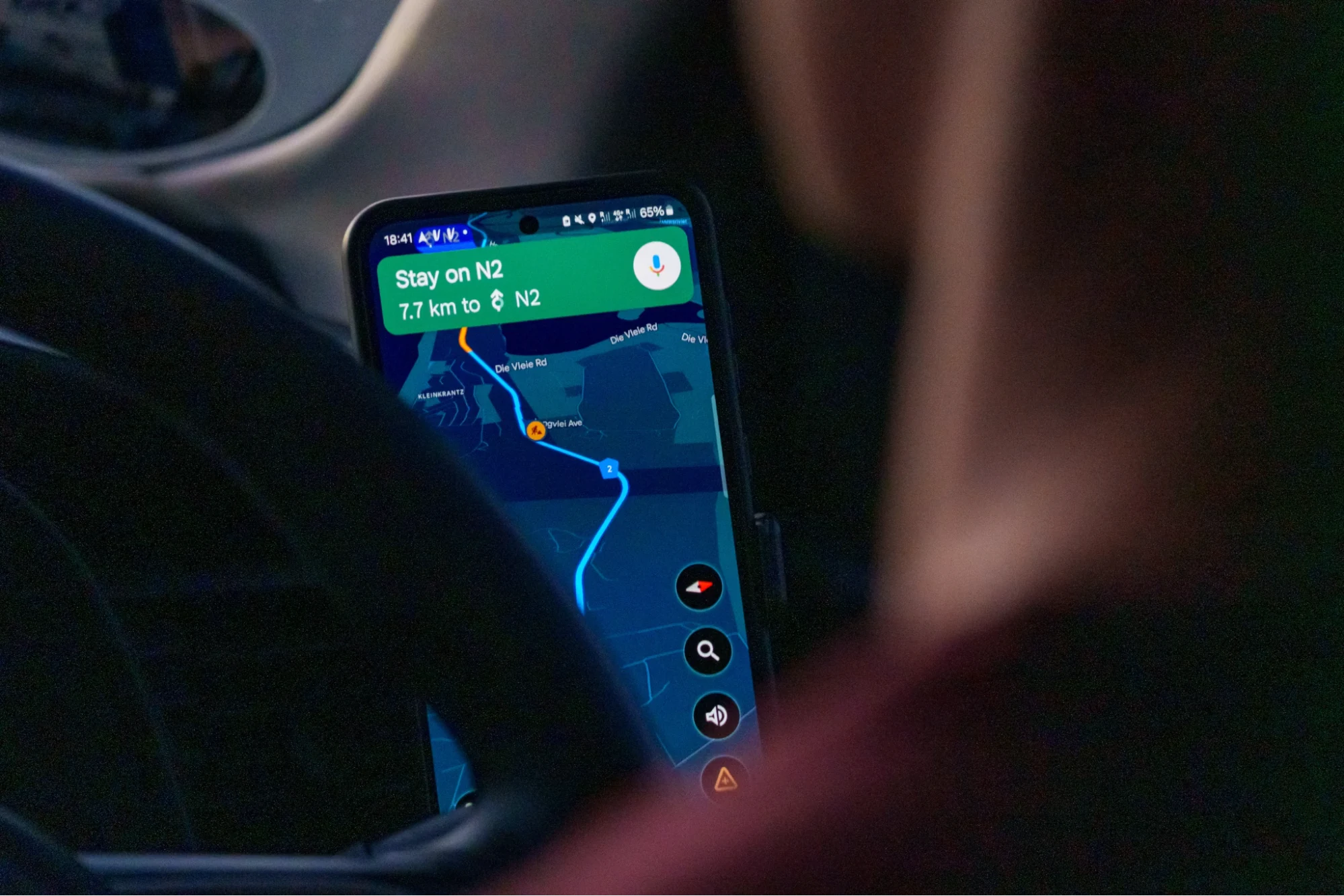
Serious visit tracking apps do not rely on a single validation method. Five layers are typically combined.
Active mock location detection on device. Both Android and iOS provide APIs to detect whether a mock location app is active. The visit app refuses clock-in if detected and logs the attempt as a fraud indicator.
In-app photo with locked metadata. Photos must be taken through the visit app (not gallery upload). Timestamp and GPS coordinates from the camera are signed with a hash that cannot be tampered with after capture.
Cross-check with network location. Beyond GPS, network location (from WiFi and cellular tower) is also recorded. A discrepancy between GPS and network location is a fraud red flag.
Velocity check. The system checks whether movement between visits makes physical sense. A rep logged as visiting Jakarta at 10:00 and Bandung at 11:00 by car is an anomaly automatically flagged.
Verification photo with face recognition or store QR code. For FMCG, many use unique QR codes at each store that must be scanned as physical visit proof. Face recognition of the sales rep at clock-in prevents device sharing.
For the sales KPI framework that consumes valid visit data as input, see CRM Sales KPI Tracking: A Manager’s Guide.
Common Implementation Mistakes
Relying on only one validation layer. Apps that only check GPS without in-app photos, or only photos without mock location detection, are easy to bypass. Multi-layer is the standard.
No handling for legitimate cases. GPS drift in indoor areas, mock location apps installed for gaming (not for fraud), or photos that fail to upload due to weak connection are legitimate cases that must be handled with manual verification flow, not immediately flagged as fraud.
Anomaly thresholds too strict or too loose. Too strict: legitimate reps often get flagged and productivity is disrupted. Too loose: fraud slips through. Threshold must be tuned based on actual team patterns.
No manual review for flagged cases. The system must trigger manual supervisor review for flagged cases, not automatic punishment. This is important for fairness and avoiding false positives.
Heavy device overhead. Visit apps that drain battery or device storage make reps reluctant to use them. Resource optimization is part of good implementation.
How to Evaluate a Field Sales App
Four questions the vendor must answer.
“What validation layers are available?” The vendor must be able to explain in detail: mock location detection, in-app photo with signed metadata, network location, velocity check, store QR code.
“How are false positives from legitimate cases handled?” A manual review flow must be available, with supervisors able to approve or reject flags with audit trail.
“Can the app run offline and sync when connection returns?” Field sales are often in areas with weak connection. Offline mode with delayed sync is the standard.
“How is device battery and data consumption?” Resource-hungry apps produce resistance from sales reps. Serious vendors have metrics and optimization for this.
For lead distribution connected with sales visit data, see How Automated Lead Distribution Works in a CRM.
Cekat’s Role in Sales Visit Validation

Cekat provides a visit tracking module with multi-layer validation: mock location detection, in-app photo with signed metadata, network location cross-check, and velocity check between visits. Valid visit data connects directly to the CRM as an activity log that becomes the sales KPI baseline.
For industries with specific requirements (FMCG with store QR codes, pharma with doctor signatures), Cekat supports a custom validation flow to fit operational needs.
For the CRM foundation that receives visit data as activity log, see CRM Application from Cekat.
Replace Unverifiable Visit Reports with Valid Data
Every month without proper visit validation is a month when business decisions (bonuses, promotions, territory expansion) are made based on potentially fictional data. Field sales teams that implement anti-fake GPS typically see real productivity increase 15-25% in the first quarter, because reps who previously faked activity are forced to actually work or leave.
If you want to move sales visit validation from manual WhatsApp reports to a multi-layer anti-fake GPS system, Ticket Management System from Cekat provides visit validation flow integrated with sales pipeline and KPI dashboard.
Start a free trial to see the visit validation dashboard and fraud flags directly.
Or chat with our team for an audit of your current field sales tracking and anti-fraud implementation recommendations.
Leave a Reply