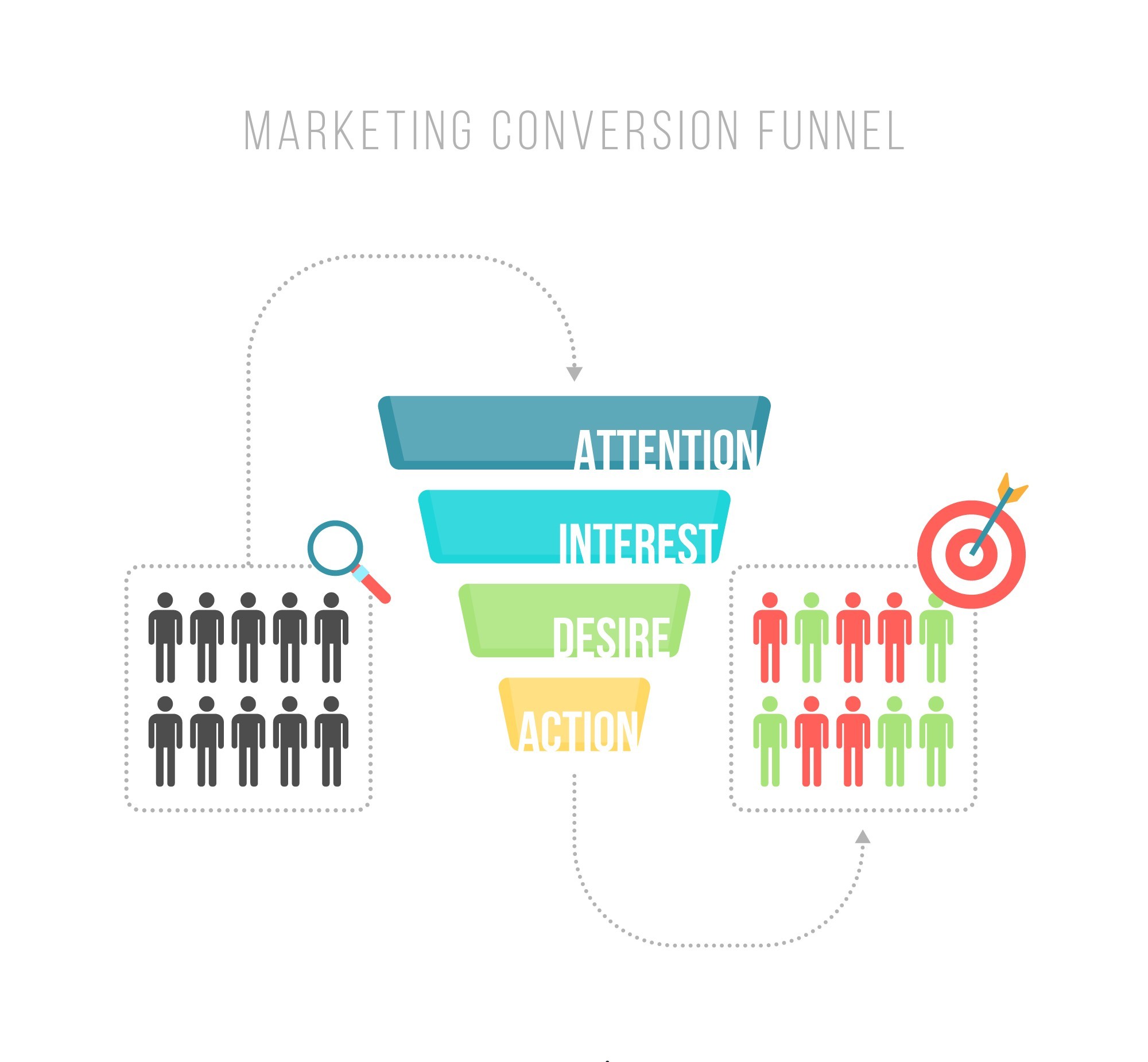
Executive Summary & Value Proposition
- Integrated Conversational Layer: Connects lead acquisition, buyer consideration, and customer retention touchpoints into a unified flow.
- Frictionless Buyer Conversion: Replaces long signup forms with interactive chat experiences that accelerate lead qualification.
- 24/7 Proactive Engagement: Drives post-purchase retention and lifetime customer value via automated follow-up messaging.
- Centralized CRM Integration: Consolidates multi-channel chat logs into a unified enterprise CRM application.
WhatsApp has become an integral part of daily consumer life. However, many organizations still utilize it narrowly—restricted to transactional alerts or reactive customer service. This passive approach overlooks the immense potential of the WhatsApp API as a primary bridge connecting acquisition, purchase decisions, and long-term buyer retention.
This article explores how to position the WhatsApp API strategically across your customer journey funnel. Rather than treating it as an isolated communication add-on, discover how to deploy it as an overarching conversational layer that sustains customer relationships. Explore official technical capabilities in our guide on the WhatsApp Business API for enterprise scale.
WhatsApp API: Beyond a Basic Messaging Channel
Meta’s official WhatsApp API is engineered specifically for deep backend integration and high-volume scalability. Consequently, it operates most effectively when connected directly to customer databases, business logic, and structured communication flows.
Within a modern marketing funnel, the WhatsApp API functions to:
- Unify every customer touchpoint seamlessly from initial awareness to post-sale support.
- Maintain highly relevant, contextual, and personalized dialogue.
- Eliminate friction and delay between customer buying intent and business response.
Without an intentional funnel design, messaging channels quickly devolve into noisy broadcast outlets. With the right architecture, WhatsApp becomes a high-converting driver of customer experience.
1. Acquisition Stage: From Interest to Consent-Based Contact
WhatsApp is rarely where consumers first discover a brand. However, it is extraordinarily effective once initial interest emerges—such as after viewing a digital ad, browsing a website, or exploring an e-commerce storefront.
During the acquisition phase, the WhatsApp API helps:
- Convert passive interest into permission-based (opt-in) contacts securely.
- Eliminate friction compared to cumbersome web registration forms.
- Capture initial customer intent instantly using an intelligent AI chatbot.
Instead of forcing users through lengthy forms, businesses open natural, lightweight conversations. The output is not just a raw lead list, but the foundation of an ongoing relationship.
2. Consideration Stage: Maintaining Contextual Relevance
Many sales funnels stall because follow-up communications lack context. Dispatches feel overly generic, push for immediate sales prematurely, or fail to address the prospect’s actual questions.
By leveraging the WhatsApp API, organizations can:
- Tailor nurturing messages based on user behavior and explicit chat responses.
- Deliver progressive product education matched to the buyer’s stage of interest.
- Prevent messaging fatigue that triggers opt-outs or block rates.
At the consideration touchpoint, WhatsApp acts as an intuitive guide. Thoughtfully timed conversations make prospects feel understood rather than pressured.
3. Conversion Stage: Assisting Buyer Decision-Making
Purchase decisions are rarely driven by discount codes alone. Transactions occur when buyers feel confident, supported, and clear on value.
The WhatsApp API facilitates smooth conversion mechanics through:
- Instant order confirmations and transparent product detail breakdowns.
- Real-time assistance from an AI Agent when buyers hesitate at checkout.
- Seamless handoffs to human specialists via an omnichannel application for complex queries.
This approach transforms checkout into a frictionless, supportive experience. WhatsApp evolves from a promotional medium into an active decision companion.
4. Retention Stage: Relationships Beyond the Transaction
A common organizational mistake is halting communication the moment a transaction completes. However, customer lifetime value (LTV) and brand advocacy are built post-purchase.
The WhatsApp API powers long-term retention workflows including:
- Automated customer onboarding sequences to ensure rapid product adoption.
- Targeted service notifications delivered via official whatsapp broadcast solutions.
- Proactive support and issue tracking via a ticketing management system before friction escalates.
Consistent, value-driven communication keeps customers engaged positively without feeling spammed.
Real-World Comparison: Two Brands, Two Architectures
Consider two competing companies offering comparable products at similar price points:
Brand A: Uses WhatsApp strictly to dispatch static shipping alerts. Once the package arrives, communication ends permanently. Customers are satisfied, but hold zero brand loyalty.
Brand B: Embeds the WhatsApp API into an integrated customer journey funnel:
- Initiates opt-in dialogue the moment a prospect shows interest online.
- Provides concise product guides tailored to the buyer’s preferences.
- Offers instant 24/7 payment assistance during checkout friction.
- Maintains post-purchase touchpoints with relevant care instructions and reorder reminders.
Over time, Brand B achieves higher recall, superior trust, and significantly higher repeat purchase rates. The competitive edge lies not in product features, but in how the customer journey is orchestrated.
Operational Pitfalls to Avoid
To maximize Return on Investment (ROI) across your WhatsApp API infrastructure, avoid these common operational errors:
- Sending unsegmented bulk messages lacking user context or relevance.
- Disregarding user opt-in consent and explicit communication preferences.
- Over-relying on basic automation without human quality controls or handoff paths.
- Failing to track response SLA metrics and customer satisfaction feedback.
The WhatsApp API serves as a powerful funnel multiplier when positioned as an integrated connective layer. Success depends not merely on technology adoption, but on deep customer journey mapping and execution discipline.
Orchestrate Your Customer Journey with Cekat.ai
If your organization still uses WhatsApp purely for manual replies or isolated alerts, you are leaving substantial funnel growth untapped.
The Cekat.ai platform empowers enterprises to design and deploy the WhatsApp API across every phase of the customer journey—from intelligent lead capture and automated nurturing to long-term buyer retention.
Transform your WhatsApp channel into a scalable revenue and retention engine with Cekat.ai.
Frequently Asked Questions (FAQ)
1. What is the primary role of the WhatsApp API in a customer journey?
The WhatsApp API acts as an overarching conversational layer connecting every funnel stage—from lead capture and product education to instant checkout assistance and post-purchase retention.
2. How do businesses capture lead opt-ins during the acquisition stage?
Leads can be routed from Click-to-WhatsApp ads, website chat widgets, or physical QR codes. When a user initiates a chat, automated workflows request explicit opt-in consent before proceeding.
3. Does the WhatsApp API protect accounts from phone number bans?
Yes. The WhatsApp API operates on official Meta infrastructure, requiring strict opt-in compliance and Meta-approved message templates for outbound dispatches, virtually eliminating ban risks for compliant businesses.
4. How does the WhatsApp API integrate with existing enterprise CRMs?
Platforms like Cekat.ai provide Open APIs and native CRM connectors to synchronize conversation logs, deal stage updates, and contact profiles automatically in real time.
Leave a Reply