Key Advantages
- Solution-Driven Personal Engagement: Transforms rigid sales pitches into consultative, friendly conversations that resolve buyer hesitation and accelerate deal velocity.
- Lean Operational Efficiency: Leverages built-in tools like digital catalogs and quick replies so small teams can manage dozens of concurrent inquiries consistently.
- Sender Reputation Protection: Prevents spam flags and account bans by enforcing verified opt-in consent and behavioral audience segmentation.
- Clear Scaling Pathway: Builds structured conversational workflows on standard apps that easily transition to the WhatsApp Business API and CRM integration as order volume grows.
Have you ever experienced having an exciting new product and receiving inbound chats from prospective buyers, but feeling unsure about what to send and when, without appearing pushy? You also worry that frequent broadcast messages might cause contacts to view your brand as spam. This friction is common among small and medium-sized enterprises (SMEs), where operational bandwidth is limited and teams consist of only a few individuals.
This is where a disciplined WhatsApp marketing strategy for SMEs becomes essential. WhatsApp is not merely a megaphone for blasting one-way promotional ads; it is an integrated conversational channel where you build customer relationships, showcase digital catalogs, deliver responsive support, and close transactions warmly within a single messaging thread. Understanding how to sell on WhatsApp effectively and deploying dedicated WhatsApp marketing solutions provides the baseline for structuring these interactions.
How WhatsApp Marketing Functions in Practice
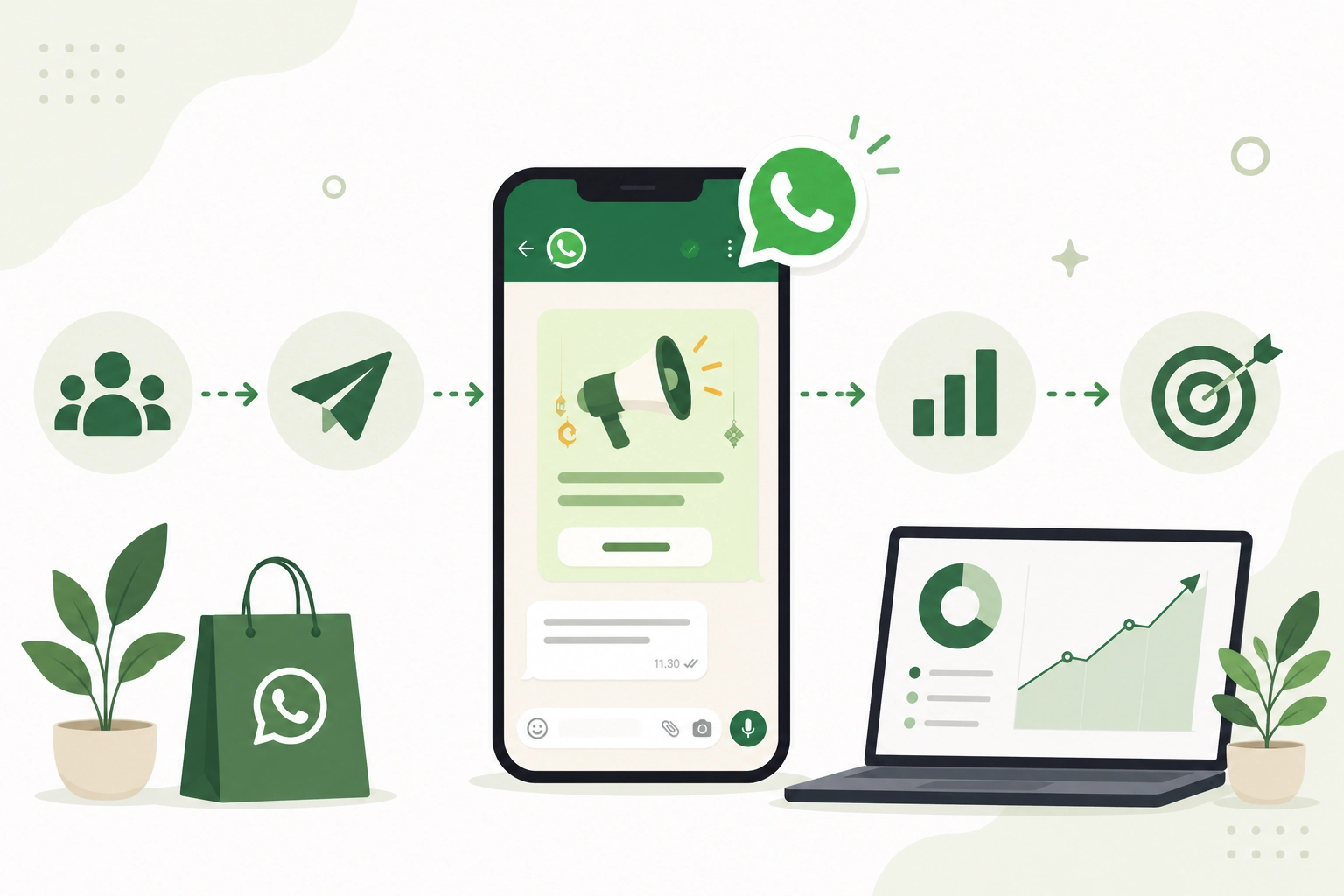
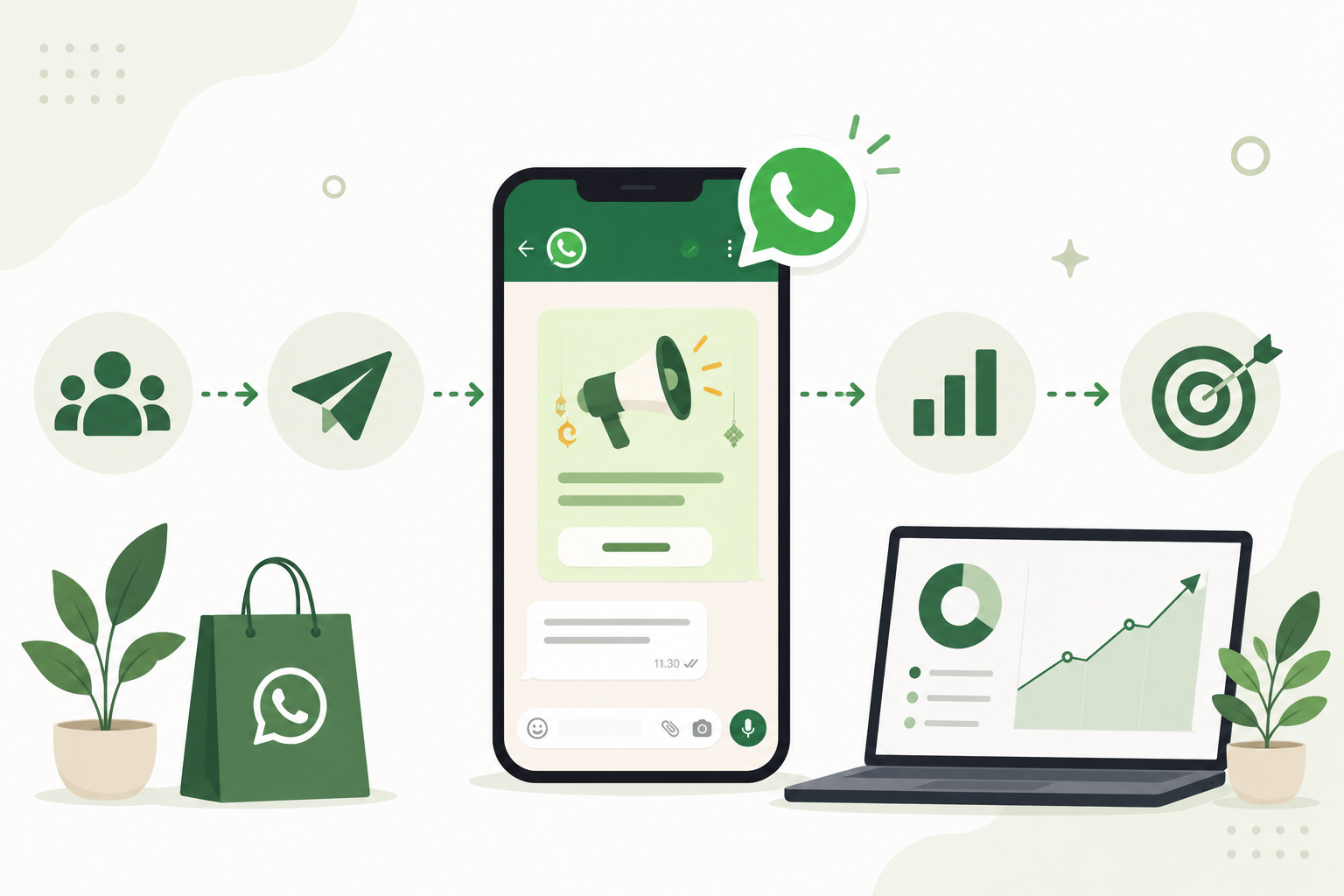
Executing successful WhatsApp marketing requires an organized workflow from day one so customer inquiries evolve beyond simple price checks. Here is how it functions in daily operations:
- Establish Core Business Foundations: Deploy the WhatsApp Business App (or upgrade to the WhatsApp Business API for multi-agent capabilities). Complete your business profile with high-resolution branding, clear service descriptions, physical locations, operating hours, and direct links to your website or storefront.
- Capture Permission-Based Contacts (Opt-In): Secure transparent customer consent to receive promotional updates—such as during retail checkout, digital order form submissions, or loyalty program sign-ups. Avoid shortcuts like purchasing unverified phone lists, and adhere strictly to official WhatsApp API opt-in requirements.
- Implement Contact Segmentation: Categorize contacts using automated customer segmentation tools based on transaction history or lifecycle stages. Effective labels include: New Inquiries, Pending Payment, VIP Repeat Buyers, or Category Interest A.
- Deliver Value-Driven Content: Balance promotional pushes with helpful educational resources. Share product usage tips, sizing guides, or behind-the-scenes production stories before pitching seasonal discount offers.
- Deploy Core Conversational Automations: Utilize WhatsApp auto-reply features for immediate lead greetings, away messages outside business hours, and quick replies for recurring questions about pricing, payment details, and shipping policies.
- Leverage Digital Catalogs and WhatsApp Status: Curate an in-app product catalog featuring high-resolution visuals and updated pricing by following how to upload a product catalog to WhatsApp. Use WhatsApp Status as an organic showcase to encourage natural inbound chat initiation.
- Dispatch Measured Broadcast Campaigns: Send broadcasts thoughtfully via dedicated WhatsApp broadcast software using actionable WhatsApp broadcast tips, scheduling delivery during peak engagement windows like midday breaks or early evenings.
- Track Essential Campaign Telemetry: Monitor open rates, click-through rates (CTR), conversational reply ratios, and finalized sales to evaluate campaign ROI through structured WhatsApp conversion tracking.
Actionable Steps to Build High-Converting Strategies

To ensure your WhatsApp marketing drives consistent commercial revenue, structure your campaign execution around these five practical steps:
- Define Explicit Campaign Objectives: Establish clear goals upfront. Is the message designed to introduce a new collection using a new product broadcast template, clear out seasonal inventory, acquire discovery leads, or stimulate repeat purchases? Your goal dictates copywriting tone and offer structures.
- Craft Contextually Relevant Offers: Tailor messaging copy to customer behavioral profiles via strategic WhatsApp audience segmentation. If a client previously purchased skincare for dry skin, send hydrating product recommendations rather than oily skin treatments.
- Maintain Safe Message Cadence: Regulate broadcast frequency moderately. Dispatching targeted promotional messages 1–2 times per month to refined cohorts is far safer and more effective than bombarding customer inboxes weekly.
- Deploy Unambiguous Calls to Action (CTAs): Always conclude messages with a single explicit instruction to prevent decision fatigue. Examples of direct CTAs: “Reply ‘YES’ to claim your launch voucher” or “Tap the link below to select your variant”.
- Iterate Based on Real Telemetry: Avoid assumptions. Monitor ad efficiency and conversion returns directly inside the marketing analytics and ROAS dashboard to optimize message spend.
Common Pitfalls That Trigger Spam Penalties
Many growing enterprises experience declining engagement or account suspensions due to recurring operational mistakes:
- Assuming All Contacts Want Promotions: Storing past transaction phone numbers does not automatically grant permission to send unsegmented sales blasts. Follow verified best practices on how to broadcast on WhatsApp without getting banned to protect your business line.
- Over-Messaging and High Frequency: Excessive broadcast frequency annoys customers, leading them to mute notifications or submit spam reports.
- Over-Relying on Discounting: Competing solely on price cuts erodes brand equity and trains customers to delay purchases until promotions appear.
- Replacing Human Touch Entirely with Bots: Automated greetings provide speed, but when buyers ask detailed consultative questions or express concerns, empathetic human assistance remains irreplaceable.
- Broadcasting Generic, Unsegmented Blasts: Disagreeable, uniform copy blasted across your entire contact list makes offers feel irrelevant to the majority of recipients.
Operational Next Steps After Initial Sales Traction
Once your foundational WhatsApp marketing workflow generates consistent sales, execute these expansion phases to prepare your operations for scale:
- Optimize Chat Operations at Lean Scale: Master the standard WhatsApp Business app first. Ensure team response speed remains rapid and deploy automated follow-up tools to recover pending transactions with how to follow up on WhatsApp sales to close deals.
- Streamline Payment Checkout: Identify common drop-off points in buyer journeys. Activating automated payment links and a dedicated payment gateway for SMEs eliminates payment verification friction immediately.
- Standardize Customer Database Architecture: Organize customer records methodically through customer data management systems and best practices on organizing your WhatsApp customer database to sharpen future segmentation.
- Scale with Multi-Agent and CRM Capabilities: When daily chat volume reaches hundreds of conversations, transition to a WhatsApp multi-agent inbox connected directly to an integrated sales CRM.
Summary: Core Principles of SME WhatsApp Marketing

Sustainable WhatsApp marketing for growing enterprises rests upon three foundational pillars:
- Value-Driven Dialogue vs. Hard-Selling: Focus on guiding buyers and resolving specific problems rather than demanding immediate one-way transactions.
- Measured Cadence vs. High Frequency: Contextual relevance and healthy message spacing deliver far greater conversion value than uncoordinated message volume.
- Targeted Segmentation vs. Mass Blasting: Grouping contacts by interest and purchase history yields significantly higher sales conversions than random blasts. Complement this with proven customer retention strategies to maximize lifetime value.
Related resource: Best Omnichannel CRM for SMEs in Indonesia
Frequently Asked Questions (FAQ)
1. Why is WhatsApp marketing more effective for SMEs than traditional email marketing?
2. How can small businesses collect customer contacts compliantly for WhatsApp marketing?
3. When should an SME upgrade from the standard WhatsApp Business app to WhatsApp Business API?
Structure Your Conversational Growth Today
Developing an effective WhatsApp marketing strategy does not require massive budgets or complex software. Start by refining your business profile, responding promptly to incoming leads, and delivering offers that provide genuine value to your customers. Review flexible plan tiers on our pricing and subscription page.
If you want to construct a structured, measurable WhatsApp marketing and automation strategy for your business, the conversational team at Cekat.ai is ready to help align your operational workflows with clear commercial KPIs.
Leave a Reply