Category: Finance

  • Types of Digital Payments: Full Guide & Business Benefits

    Types of Digital Payments: Full Guide & Business Benefits

    Imagine just paying for coffee at a café using QRIS. It is seamless, fast, and eliminates counting change. The next day, you settle your monthly utility bills via mobile banking on the same smartphone. A week later, while shopping online, you select a PayLater option that removes the need to pay the entire balance upfront.

    All three scenarios belong to one overarching category: digital payment methods. The distinction between each type matters. Every method possesses unique characteristics—from where the underlying funds originate and how transactions are verified to its operational impact on consumers and merchants alike.

    Why is this increasingly critical? Digital payments deliver a more convenient, friction-free experience. For consumers, transactions are faster and less error-prone. For businesses, bookkeeping becomes automated, cash flow improves, and targeted promotional campaigns such as discounts or cashback incentives can be executed seamlessly through specific payment channels.

    Looking to identify the ideal types of digital payments for your operational requirements before committing to the wrong setup? Consult our strategic guide at Cekat.ai.

    What Is Digital Payment and What Are Its Core Types?

    E-Wallets

    An e-wallet (digital wallet) is an application that stores monetary balances within its ecosystem so you can pay directly inside the app or during checkout. Users typically top up balances from bank accounts and deploy those funds for transactions via QR codes, payment buttons, or connected merchant platforms.

    E-Money

    E-money (electronic money) represents monetary value stored on an electronic medium, typically a chip-based smart card. Transactions are executed by tapping or swiping the physical card against a terminal, functioning reliably even without active internet connectivity.

    Debit Cards

    A debit card is a payment instrument linked directly to your active bank checking or savings account. Each transaction deducts available funds instantly, meaning purchases are strictly bounded by existing account balances.

    Credit Cards

    A credit card operates against a revolving credit line extended by the issuing bank. You utilize borrowed funds upfront and settle the accumulated balance during the designated billing cycle under specified terms.

    QRIS

    QRIS (Quick Response Code Indonesian Standard) is a standardized national QR framework enabling a single merchant QR code to be scanned across diverse digital payment providers in Indonesia. When seeing a QRIS code at checkout, shoppers do not need specific, proprietary codes for different e-wallet apps.

    Virtual Accounts

    A virtual account is a unique, system-generated transaction identification number created to streamline payment verification. Payments transferred to this dedicated number are recognized and reconciled by backend systems instantly, making it ideal for high-volume, recurring business billing.

    PayLater

    PayLater (Buy Now, Pay Later / BNPL) allows buyers to obtain goods immediately and defer payment or split the total cost across structured installment tenors. Credit limits and approvals are evaluated via automated digital underwriting.

    Payment Gateways

    A payment gateway is not a standalone consumer payment method like a card or e-wallet, but rather the technical middleware that manages payment routing for merchants. Gateways empower businesses to accept diverse payment channels within a unified workflow while handling transaction encryption and settlement security.

    Strategic Benefits of Digital Payments for Consumers and Businesses

    “The most effective checkout experience is one that requires minimal cognitive friction from the buyer.” This operational reality explains why digital transactions consistently outperform cash.

    Customer executing digital payment on mobile smartphone terminal

    Immediate Benefits for Consumers

    For consumers, digital payments provide near-instant settlement alongside verifiable digital receipts. It eliminates the hassle of carrying physical currency, handling change, and waiting in protracted checkout queues.

    The practical convenience impacts everyday routines: e-commerce orders no longer require cash preparation upon delivery, while in-store QR scans and card taps streamline register throughput.

    Operational and Financial Benefits for Businesses

    For merchants, digital payment infrastructure simplifies reconciliation and cash flow monitoring because every transaction logs digitally in real time. This accelerates revenue tracking, prevents revenue leakage, and enables accurate financial forecasting through clean ledger reporting.

    Furthermore, digital channels facilitate dynamic marketing strategies such as exclusive discounts or loyalty cashback promotions. Real-time transaction confirmations also allow fulfillment teams to process orders immediately without awaiting manual bank transfer verification.

    Intersection of Security and Operational Efficiency

    Both buyers and merchants gain robust security protections. Digital payment infrastructure utilizes end-to-end encryption, multi-factor authentication, PINs, OTP tokens, and biometric authorization to safeguard transaction integrity. For enterprises, automated settlement minimizes cash handling risks and manual accounting discrepancies.

    If you operate a business looking to accelerate checkout flows, discover how to manage multi-channel payment options through integrated payment workflows.

    Framework for Selecting the Right Payment Methods

    When selecting payment instruments for your daily routine or commercial operation, evaluate options against specific operational contexts:

    Consumer Decision Checklist

    Select methods tailored to your everyday lifestyle and financial discipline:

    • Deploy QRIS or e-wallets for rapid everyday purchases across retail merchants.
    • Use debit cards when seeking direct deductions against available bank savings.
    • Utilize PayLater options strictly when cash flow permits disciplined installment repayment schedules.
    • Prioritize chip-based e-money cards for high-speed offline transit and toll road gates.
    • Avoid switching methods unnecessarily if your current setup satisfies your daily needs.

    Business Strategy Checklist

    For commercial enterprises, payment configuration is not merely about accumulating badges; it is about delivering frictionless checkout while ensuring automated reconciliation:

    • Offer payment channels preferred by your target demographic across online and brick-and-mortar touchpoints.
    • Prioritize virtual accounts for automated transaction verification and zero-friction reconciliation.
    • Present a curated selection of payment options at checkout to prevent decision fatigue.
    • Establish risk management parameters when accepting PayLater to maintain healthy working capital.
    • Leverage transaction telemetry to identify failed payment friction points and optimize checkout conversion.

    For the most seamless payment collection workflow, the Cekat.ai AI Support Agent generates and delivers dynamic payment QR codes directly inside conversational chat windows and executes automated pending-order follow-ups—securing collections without requiring manual staff outreach.

    Matching Methods to Transaction Types

    Align the payment mechanism with the underlying nature of the transaction:

    • For one-off retail purchases, deploy fast e-wallets and universal QRIS codes.
    • For recurring subscriptions, implement direct debit to eliminate manual monthly authorizations.
    • For flexible financing on larger purchases, utilize structured PayLater options with realistic tenors.
    • For micro offline payments, rely on chip-based e-money cards that operate independently of internet uptime.
    • For commercial B2B transactions requiring settlement guarantees, enforce automated reconciliation channels.

    Actionable Takeaways

    Consider the complete cycle: scanning a QRIS code for morning coffee, settling utility bills via mobile banking in the evening, and utilizing PayLater for scheduled online purchases. Together, these methods form the modern digital payment landscape—powering secure, cashless commerce across interconnected digital networks.

    Card tap and contactless digital payment terminal in action

    Each payment instrument serves a distinct functional purpose. You have e-wallets and chip-based e-money, debit and credit cards, alongside multi-channel rails like QRIS, virtual accounts, and PayLater. For recurring billing, direct debit provides automation, while for offline transit, e-money cards offer unmatched speed. For merchants, payment gateways act as the essential bridge to orchestrate these diverse methods within a unified, secure infrastructure.

    The key is aligning each payment method with its operational context—online versus offline, one-off versus recurring, and credit financing versus strict budget control. Selecting the right payment framework accelerates transaction speeds, safeguards customer data, and optimizes business cash flow.

    To ensure your enterprise deploys the ideal types of digital payments and conversational checkout workflows, the team at Cekat.ai is ready to help structure the optimal strategy.

  • Strategies for Organizing and Automating Your WhatsApp Customer Database

    Strategies for Organizing and Automating Your WhatsApp Customer Database

    Executive Summary & Value Proposition

    • Centralized Contact Storage: Prevents buyer data scattering across personal sales handsets or manual spreadsheets.
    • Precision Audience Segmentation: Groups buyer profiles by purchase history to increase promotional message relevance.
    • Automated Data Synchronization: Records contact updates and chat histories automatically into central repositories.
    • Corporate Asset Protection: Ensures your complete customer database remains securely hosted in enterprise cloud servers.

    A contact database represents one of the most critical digital assets for modern enterprises. When thousands of chats arrive monthly, relying on manual entry inside mobile address books or Excel spreadsheets risks data leakage and contact duplication. Establishing an integrated customer database management framework is essential for organizations seeking long-term buyer relationships and higher repeat purchase rates.

    The primary operational hurdle faced by sales teams is managing expanding contact lists without losing buyer interaction context. Without structured organization, marketing campaigns and service alerts risk landing on irrelevant audiences, triggering spam complaints.

    Risks of Managing Customer Contacts Manually

    Relying on standard mobile contact storage introduces significant operational risks that hinder business growth.

    Key risks associated with unmanaged contact storage include:

    • Contact Asset Loss: Customer contact details are lost if sales handsets break, get stolen, or when representatives leave the company.
    • Irrelevant Broadcast Messaging: Sending unsegmented bulk messages causes fatigue, driving recipients to block official business accounts.
    • Incomplete Transaction Histories: Sales representatives lack visibility into past purchases or previously reported support tickets.
    • Unmonitored Data Access Controls: Representatives can download or copy contact lists without supervision inside an enterprise customer database.

    Actionable Steps to Organize WhatsApp Customer Contacts

    Organizing conversational data requires establishing standardized data entry formats and centralizing contact logging.

    Strategic steps for structuring your messaging database include:

    1. Utilizing Structured Contact Tagging Systems

    The simplest starting point is deploying contact management tags to label conversation statuses. Categorize profiles according to sales funnel stages, such as new leads, pending payments, or loyal buyers.

    2. Enforcing Standardized Contact Naming Rules

    Establish uniform naming conventions across sales teams, such as combining customer names, regional locations, and product interest categories. Standardization simplifies contact retrieval during outreach campaigns.

    3. Implementing Behavior-Based Customer Segmentation

    Elevate engagement relevance by implementing dynamic audience segmentation workflows. Group profiles by purchase frequency, transaction values, or last purchase dates to deliver tailored offers.

    4. Connecting Contact Databases to Central CRM Platforms

    The most vital step for enterprise scaling is completing a sales crm integration. Whenever a new inquiry arrives, the system creates a structured contact profile card inside the sales pipeline. Structuring this data pipeline is explored further in our guide on linking WhatsApp channels with CRM platforms.

    Benefits of Integrated Contact Database Management

    Structured contact management empowers sales and support teams to execute data-driven campaigns efficiently.

    Core business benefits include:

    • Enhanced Personalization Capabilities: Representatives can greet buyers by referencing past product purchases directly.
    • Targeted Bulk Messaging Campaigns: Dispatch announcements or offers via official wa blast channels strictly to relevant audience segments. Implementing precise targeting is analyzed in our resource on effective WhatsApp broadcast segmentation strategies.
    • Protected Enterprise Data Assets: Contact records remain encrypted on cloud servers, preventing unauthorized exports by staff without supervisor approval.
    • Frictionless Team Hand-Offs: During representative transitions, new staff review full historical logs inside an omnichannel application without asking customers to repeat details.

    Automate Your WhatsApp Customer Database with Cekat.ai

    Organizing and managing thousands of buyer contacts is effortless with Cekat.ai. The Cekat.ai platform delivers an integrated customer data management module equipped with automated tagging, dynamic segmentation, and real-time synchronization with official Meta WhatsApp APIs.

    Protect your commercial contact assets and optimize your WhatsApp marketing strategy with Cekat.ai today.


    Frequently Asked Questions (FAQ)

    Can customer contact data be imported in bulk into Cekat.ai via Excel?

    Yes. You can upload contact database files in CSV or Excel formats in bulk into Cekat.ai within seconds.

    How does Cekat.ai prevent contact profile duplication?

    Cekat.ai uses phone numbers as unique identifiers, ensuring that when an existing customer reaches out, their new chat history updates onto their existing profile card automatically.

    Can sales representatives export corporate customer contacts for personal use?

    No, provided agent permission roles are configured. Supervisors can disable data export permissions, keeping agent interactions restricted to the Cekat.ai dashboard.


  • How to Increase Customer Retention: Practical Guide & Key Strategies

    How to Increase Customer Retention: Practical Guide & Key Strategies

    Imagine this scenario. Your team successfully executes a campaign that brings in a steady flood of new customers. However, a few months later, repeat order rates drop, complaints start surfacing, and promotional costs continue to balloon because you constantly have to “patch” the loss of departing customers. What feels like a marketing problem is actually deeper: customer retention hasn’t been genuinely nurtured, leaving acquisition as merely a temporary bandage.

    This is where learning how to increase customer retention becomes an essential strategy that determines long-term business sustainability. Understanding how to increase customer retention isn’t just about stopping people from leaving; it’s about building a conversational ecosystem and value proposition that makes customers feel they have too much to lose by switching elsewhere.

    Customer Retention Strategy Diagram

    If you want to accelerate your retention efforts without guesswork, you can start a discussion with the team at Cekat.ai.

    What Is Customer Retention and How It Differs from Loyalty

    Before diving into the technical tactics of how to increase customer retention, it is vital to distinguish between two concepts that are often used interchangeably:

    • Customer Retention Is Behavior (Repeat Orders): Retention refers to a brand’s ability to retain customers so they make repeat purchases. Retention is tangible, behavior-based evidence that can be measured and managed structurally. Learn more about the core definitions in our customer retention guide.
    • Loyalty Is an Attitude: Customer loyalty represents an emotional attachment and attitude toward a brand. Strong loyalty serves as the underlying foundation for high retention rates.
    • Retention Is Distinct from Acquisition: Acquisition focuses on attracting new customers, whereas retention focuses on keeping existing ones. Because acquiring a new customer can cost up to 5 times more than retaining an existing one, acquisition should never be used as a patch for a leaky bucket.

    Why Customer Retention Benefits Your Business

    Benefits of Customer Retention

    Implementing the right strategies on how to increase customer retention delivers significant financial and operational impacts:

    • Marketing Cost Efficiency: Retaining existing customers is far more cost-effective than constantly chasing cold leads.
    • Increases Customer Lifetime Value (CLV): Retained customers are far more likely to make repeat purchases, opening opportunities for upselling and cross-selling while elevating their total transactional value over time.
    • Drives Word-of-Mouth Marketing: Satisfied customers naturally recommend your brand. This builds a positive market reputation and attracts new buyers without relying entirely on ad spend.
    • Boosts Profits and Workplace Morale: Stable recurring revenue and positive customer reviews create a healthy business environment, reducing team burnout from repetitive crisis management and lowering employee turnover.

    How to Measure Customer Retention Rate Accurately

    Before executing tactics on how to increase customer retention, you need an objective baseline measurement using the Customer Retention Rate (CRR) formula:

    CRR = [(E - N) / S] x 100%

    Variable Definitions:

    • S (Start): The number of existing customers at the start of the period.
    • N (New): The number of new customers acquired during the period.
    • E (End): The number of total customers at the end of the period.

    Calculation Example:

    If you start a quarter with 100 customers (S = 100), acquire 20 new customers (N = 20), and end the quarter with 90 total customers (E = 90):

    CRR = [(90 – 20) / 100] x 100% = 70%

    A CRR result of 70% indicates that the majority of your initial customer base remained active. Evaluate this metric regularly (monthly or quarterly) to monitor performance trends.

    High-Impact Strategies to Boost Retention

    Key Strategies to Improve Customer Retention

    Here are the core factors and tactical steps on how to increase customer retention effectively in the field:

    • Product and Service Consistency: Customers feel confident making repeat orders when product quality and service delivery reliably meet expectations without fluctuations.
    • Service Personalization: Sending birthday greetings, product recommendations tailored to purchase history, or context-aware greetings makes buyers feel recognized using an AI Agent.
    • Engaging and Relevant Communication: Providing timely updates, live shopping experiences, or exclusive offers via an omnichannel application maintains emotional connection and brand recall.
    • Fast and Solution-Oriented Complaint Resolution: Responding to issues empathetically and delivering thorough resolutions via a ticketing management system stops frustration from turning into churn.
    • Community Building: Discussion hubs (social media groups or offline events) provide a sense of belonging for your audience.
    • Acknowledge Loyalty with Rewards: Point reward schemes, instant gifts, or exclusive access offer tangible appreciation for customer loyalty.
    • Leveraging Data and Social Media: Two-way social media interactions and transaction analytics inside a CRM platform help businesses precisely understand shifting buyer needs.

    How to Implement Daily Retention Strategies

    Executing how to increase customer retention requires a disciplined, systematic daily routine:

    1. Data Collection: Monitor drop-off points in repeat orders by analyzing transaction logs, inbound support queries, and buyer reviews.
    2. Dynamic Customer Segmentation: Group buyers based on behavior and transaction histories so messages never feel generic using customer segmentation tools.
    3. Consistent Execution: Dispatch personalized offers and ensure support teams respond instantly using automated follow-ups.
    4. Feedback Loops: Turn constructive criticism into real process improvements, then measure the resulting impact on your CRR.

    If you want to ensure your retention strategies run consistently from data analytics to daily execution, you can consult with the team at Cekat.ai.

    Common Mistakes That Cause Retention to Fail

    Efforts spent on how to increase customer retention often stall due to several widespread mistakes:

    • Relying Solely on a Good Product: Even great products get abandoned if the overall customer experience is poor or service response times are slow.
    • Equating Retention with Discounts: Price cuts only deliver short-term spikes and risk attracting promo-hunters who switch easily.
    • Over-Focusing on Acquisition: Ignoring churn means filling a “leaky bucket,” which needlessly inflates marketing costs.
    • Collecting Feedback Without Action: Ignoring customer input destroys trust and pushes users straight to competitors.
    • Treating Customer Service as Mere Firefighting: Reactive support without proactive outreach creates the perception that your brand doesn’t care.
    • Assuming Retention Is Only One Team’s Job: Retention requires cross-departmental collaboration across product, sales, and post-sales support teams.

    Next Steps After Executing Your Strategy

    To ensure the ongoing effectiveness of your tactics on how to increase customer retention, follow these structured next steps:

    1. Measure Real Impact Using CRR: Without data measurement, improvements are just guesses. Regularly evaluate your Customer Retention Rate (CRR) and compare figures across periods.
    2. Translate Feedback Into Real Actions: Identify recurring issue patterns, then implement tangible operational changes so customers feel heard.
    3. Maintain Personalization and Consistent Communication: Continue delivering personalized touches based on shopping history and maintain relevant messaging so customers always feel valued.
    4. Resolve Issues Fast and Engage Users: Rapid responses during service hiccups can turn negative experiences into heightened loyalty. Engage customers actively through solid community spaces.

    Mastering how to increase customer retention is a continuous cycle: measure results, refine weak points, and execute consistently.

    If you want your team to manage retention with structured analytics and visible operational improvements, the team at Cekat.ai is ready to help you craft the right strategy—contact us for a free consultation.

    Frequently Asked Questions (FAQ)

    1. What is a good Customer Retention Rate (CRR)?

    A “good” CRR varies by industry. For e-commerce, a CRR around 20–30% is considered healthy, while SaaS businesses often aim for 80–90%+. The goal is to consistently increase your baseline CRR period over period.

    2. How can automated WhatsApp messaging improve retention?

    Automated WhatsApp messaging via official APIs enables instant post-purchase follow-ups, shipping notifications, personalized recommendations, and proactive support—keeping your brand top-of-mind inside an active chat channel.

    3. Is discounting effective for long-term customer retention?

    Discounting provides short-term repeat purchase spikes, but relying on price cuts alone weakens brand perception and attracts deal-seekers. Long-term retention is built on product quality, service speed, and personalized experiences.

    4. How do AI Agents help reduce customer churn?

    AI Agents provide 24/7 instant support resolution, analyze customer sentiment, trigger proactive re-engagement workflows when buyers show signs of disengagement, and handle routine queries without support lag.


  • What Is Customer Retention: Definition, Importance, & Key Strategies

    What Is Customer Retention: Definition, Importance, & Key Strategies

    Imagine a business running smoothly: traffic and leads flow from ads, offers sound compelling, and sales feel stable. Then, some time after customers try your product or service, they start vanishing one by one. The chart looks like a leaky funnel—not because acquisition is poor, but because customers simply do not stay.

    At this point, many teams end up asking, “Why is it hard for us to grow when promotions keep running?” The answer often comes back to one simple thing with a massive impact: customer retention.

    What Is Customer Retention?

    Customer Retention Concept Diagram

    What is customer retention? It can be understood as a company’s or business’s ability to retain existing customers so they continue making repeat purchases and doing business over a long period. Essentially, customers do not just show up and buy once; they return consistently time and time again.

    Fundamentally, customer retention focuses on long-term relationships built on trust and satisfaction. When customers feel the value they receive is consistent, they do not merely stick around—they potentially become brand advocates who recommend your products or services to others.

    Why Customer Retention Is Important

    Acquiring a new customer can be 5 times more expensive than retaining an existing one. Therefore, understanding what customer retention is is not just a “nice-to-have” topic; it is the differentiator between healthy business growth and temporary momentum:

    • Acquisition Costs Are Higher Than Retention: Chasing new customers means continuous marketing and ad spend. Focusing on retention shifts energy toward keeping existing customers loyal, making it far more cost-effective.
    • Drives Customer Lifetime Value (CLV): Good retention extends business relationships, opens cross-selling or upselling opportunities, and increases the total economic value of each customer.
    • Boosts Profits Through Small Improvements: Increasing customer retention by just 5% can increase profits anywhere from 25% to 95%, because the cost of replacing lost customers drops significantly.
    • Creates Word-of-Mouth and Competitive Advantage: Satisfied customers naturally recommend your brand, making switching to competitors far less appealing.
    • Opens Feedback Loops for Continuous Improvement: Retained customers provide honest feedback to continuously enhance product and service quality.

    Effective Retention Steps in the Field

    Understanding what customer retention is must also be paired with planned actions from the first experience through the long-term relationship:

    1. Fast Onboarding: Accelerate time-to-value so customers instantly grasp the product’s benefits without confusion.
    2. Responsive Service and Support: Resolve complaints quickly using a ticketing management system so small issues do not turn into reasons to leave.
    3. Gather and Act on Feedback: Process insights from interactions or reviews to minimize churn risk.
    4. Personalized Communication: Deliver recommendations or messages tailored to individual customer histories and needs using an AI Agent.
    5. Targeted Loyalty Programs: Offer incentives such as rewards or exclusive access that reinforce repeat purchasing habits.
    6. Proactive Complaint Management: Address potential issues with empathy before customers become deeply disappointed via workflow automation.
    7. Community Building: Create discussion forums or communities so customers feel emotionally connected to the brand.

    If you want to map out customer retention opportunities more effectively, the team at Cekat.ai can help structure them according to your business needs.

    Key Metrics You Need to Monitor

    Without the right metrics, efforts to maintain customer retention become mere guesswork:

    Customer Retention Metrics Overview

    • Customer Retention Rate (CRR): The percentage of customers retained over a specific period.
      CRR = [(Customers at End of Period - New Customers) / Customers at Start of Period] x 100%
    • Churn Rate: The percentage of customers lost or who stop purchasing within a given timeframe.
    • Customer Lifetime Value (CLV): The total revenue value expected from a single customer throughout their business relationship.
    • Net Dollar Retention (NDR): Measures the recurring revenue remaining from existing customers after accounting for upgrades, downgrades, and churn.
    • Customer Satisfaction (CSAT) & Net Promoter Score (NPS): Satisfaction and loyalty indicators that explain the reasons behind fluctuating retention numbers.

    Common Mistakes That Ruin Retention

    • Assuming Retention Is Only Customer Service’s Job: Retention requires cross-functional alignment across product, marketing, and operations teams.
    • Relying on Loyalty Programs as a Magic Button: Discounts cannot make up for poor product quality or service execution.
    • Over-indexing on Acquisition: Ignoring customer leaks while constantly chasing new leads.
    • Treating All Customers Equal: Allocating resources uniformly without prioritizing high-value segments on your CRM platform.
    • Only Thinking About Retention After Checkout: Customer expectations are set during initial sales promises.
    • Ignoring Customer Feedback: Allowing repeated complaints to linger without taking actionable steps.

    What Separates Beginners from Seasoned Practitioners

    Beginners tend to be reactive—panicking only when churn numbers spike or when customers have already left for good.

    In contrast, seasoned practitioners treat silent churn as an early signal of disengagement. They leverage predictive analytics and customer segmentation to detect at-risk leads early, then execute automated follow-ups to deliver targeted interventions at the right moment.

    Start Retention with Experiences, Not Discounts

    “Retention is not a final bonus, but the result of a consistent experience.” Once you realize this, the true meaning of what customer retention is becomes clear: the ability to retain customers by delivering value that is continually felt.

    Start with one sensible improvement for your business, then consistently refine your onboarding, support, and message personalization using an omnichannel application. Ultimately, strong retention is built step-by-step through trust.

    Want a more precise discussion on retention? The Cekat.ai team is ready to help you craft an effective retention strategy.


    Frequently Asked Questions (FAQ)

    1. What is the difference between Customer Retention and Customer Acquisition?

    Customer Acquisition focuses on attracting and converting new buyers, whereas Customer Retention focuses on keeping existing customers engaged, satisfied, and making repeat purchases over time.

    2. How do you calculate Customer Retention Rate (CRR)?

    Calculate CRR using the formula: [(Total Customers at End of Period – New Customers Acquired) / Total Customers at Start of Period] x 100%.

    3. Why is retaining customers cheaper than acquiring new ones?

    Retaining existing customers avoids heavy ad spend and top-of-funnel marketing costs because existing buyers already trust your brand and understand your value proposition.

    4. How can AI and automation improve customer retention?

    AI Agents enable 24/7 instant support, automate post-purchase follow-ups, deliver personalized recommendations, and detect silent churn signals early to re-engage at-risk users.


  • What Is a Payment Gateway: How It Works, Methods, & Integration Guide

    What Is a Payment Gateway: How It Works, Methods, & Integration Guide

    Executive Summary & Value Proposition

    • Automated Transaction Infrastructure: Bridges e-commerce websites with banks and digital wallets for real-time authorization within seconds.
    • Global Security Standards: Protects customer financial data using end-to-end encryption, tokenization, and PCI DSS compliance.
    • Checkout Success Rate Optimization: Offers popular payment channels (QRIS, Virtual Accounts, Credit Cards) to reduce cart abandonment.
    • Cash Flow & Settlement Efficiency: Automates transaction records so operations teams eliminate manual bank transfer verifications.

    You hit the Pay button, and within seconds, a success or failure notification pops up. It is completely natural to ask, “how did that happen so fast, and who handled everything behind the scenes?” Behind the screen, a digital system acts as a secure bridge, ensuring the transaction executes safely with instant status confirmation.

    This system serves as the foundational key to keeping your business checkout flows organized, controlled, and secure from day one. To ensure seamless workflow integration, consult with the expert engineering team at Cekat.ai.

    What Is a Payment Gateway and Its Core Role?

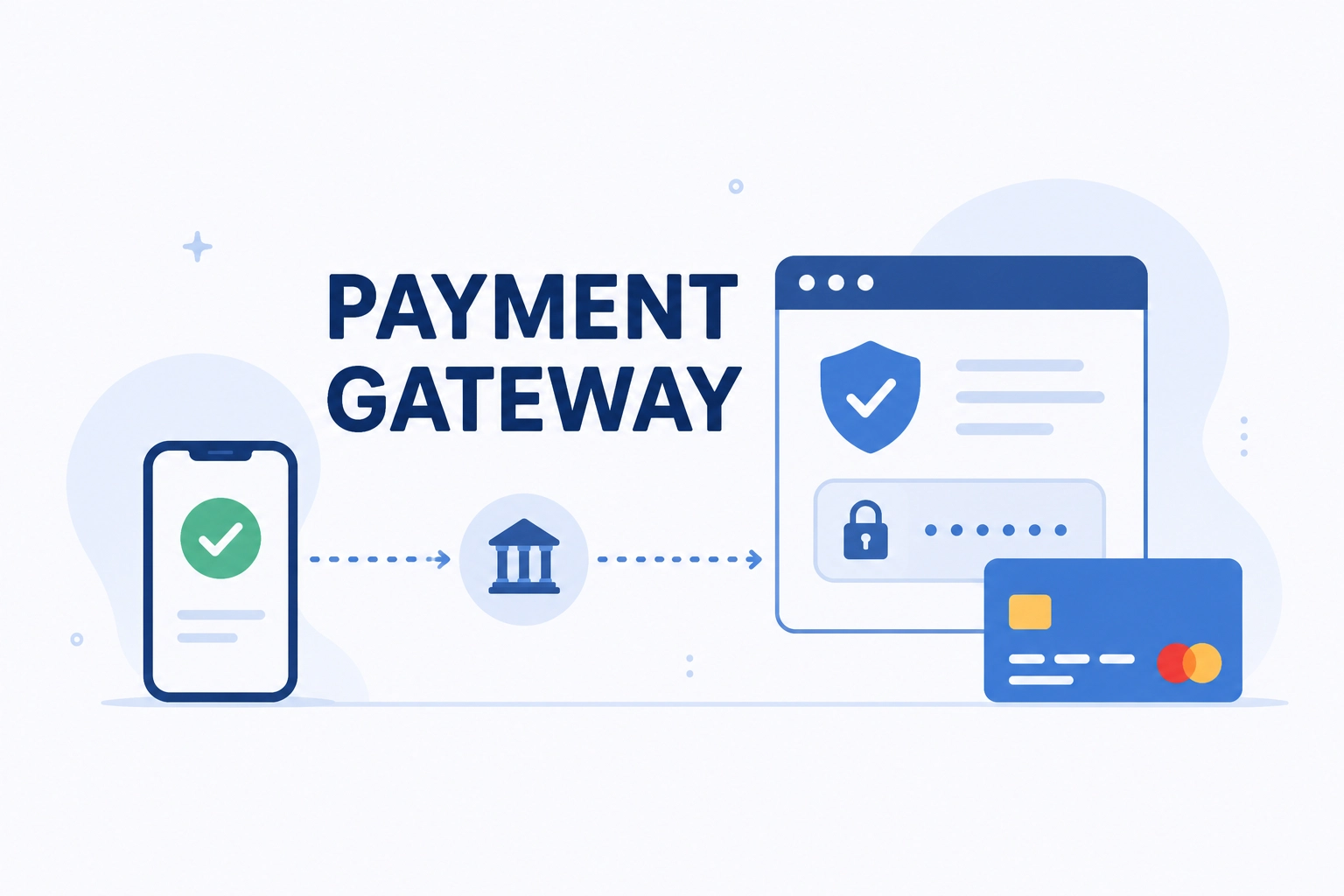
    Simply put, understanding what a payment gateway is means viewing it as a digital intermediary service linking online merchant stores with financial institutions (such as acquiring banks or e-wallet providers). The gateway encrypts payment payloads, facilitates authorization checks, and returns real-time status signals.

    Within the online transaction ecosystem, a payment gateway fulfills three core functions:

    • Secure Transaction Bridge: Encrypts sensitive credentials (like credit card numbers or account details) to eliminate data leak risks during network transmissions.
    • Global Security Compliance: Operates under strict PCI DSS (Payment Card Industry Data Security Standard) guidelines and tokenization tech, preventing raw financial data storage on merchant servers.
    • Instant Authorization Decisions: Leverages verification tech (such as OTP or 3D Secure) to approve or decline transaction requests automatically in seconds.

    Read also: Difference Between Payment Gateway and Payment Link

    How Does a Payment Gateway Work from Checkout?

    The processing workflow executes rapidly through several automated steps:

    1. Initiating Checkout: The buyer selects products and chooses a preferred payment method (QRIS, Virtual Account, e-wallet, or credit card) at checkout.
    2. Data Encryption: The system encrypts payment payloads to secure credentials before passing them to banking networks.
    3. Authorization Request: Secured data dispatches to the acquiring bank or payment network for eligibility checks.
    4. Verification & Decision: The issuing bank verifies account balances, checks credentials, or requests additional steps (like OTP entries).
    5. Status Return: Authorization decisions (success or failed) return instantly to display on buyer and merchant screens.
    6. Fund Settlement: Following successful authorization, funds transfer to the merchant’s bank account according to agreed settlement timelines.

    Implementation Options for E-Commerce Businesses

    When implementing a gateway for online operations, choose the integration approach best aligned with your technical capabilities:

    • Hosted Payment Page: Customers redirect to an external secure payment interface managed entirely by the gateway vendor. Highly practical, secure, and low maintenance for growing stores.

    Hosted Payment Page Diagram

    • Self-Hosted / Integrated (API): Payments execute directly on the merchant’s site via direct Open API connections. Provides complete UX control but requires robust technical readiness and strict security compliance.

    Common Pitfalls When Selecting or Using Payment Gateways

    Common Mistake Business Risk Impact Recommended Solution
    Confusing Gateway vs. Processor Misunderstanding front-end authorization versus back-end interbank settlement. Understand that gateways handle front-end authorization while processors handle interbank clearing.
    Selecting Solely on Low Fees Poor checkout stability, high transaction drop-off rates. Select vendor partners based on uptime stability, latency, and authorization success rates.
    Storing Card Data Manually Severe security vulnerabilities, compliance penalties, PCI DSS violations. Rely entirely on vendor tokenization APIs rather than storing raw card details.
    Offering Too Many Payment Channels Cluttered checkout interfaces confusing buyers. Provide 3 to 5 core payment methods matching your target audience preferences.
    Confusing Authorization with Settlement Accounting errors caused by treating authorization dates as cash-in-bank dates. Separate transaction authorization logs from actual bank settlement deposit schedules.

    Next Steps After Understanding Payment Gateways

    Understanding what a payment gateway is alongside the checkout payment gateway workflow allows you to build fast, reliable, and trusted checkout experiences. Supported by payment automation tech, retail & e-commerce operations run efficiently without manual payment slip verifications.

    Moving forward, evaluate checkout success rates regularly, track processing fees per transaction, and ensure offered payment methods remain aligned with buyer preferences.

    If you want to build a structured payment gateway integration strategy, the team at Cekat.ai is ready to align your business needs with the right payment architecture.


    Frequently Asked Questions (FAQ)

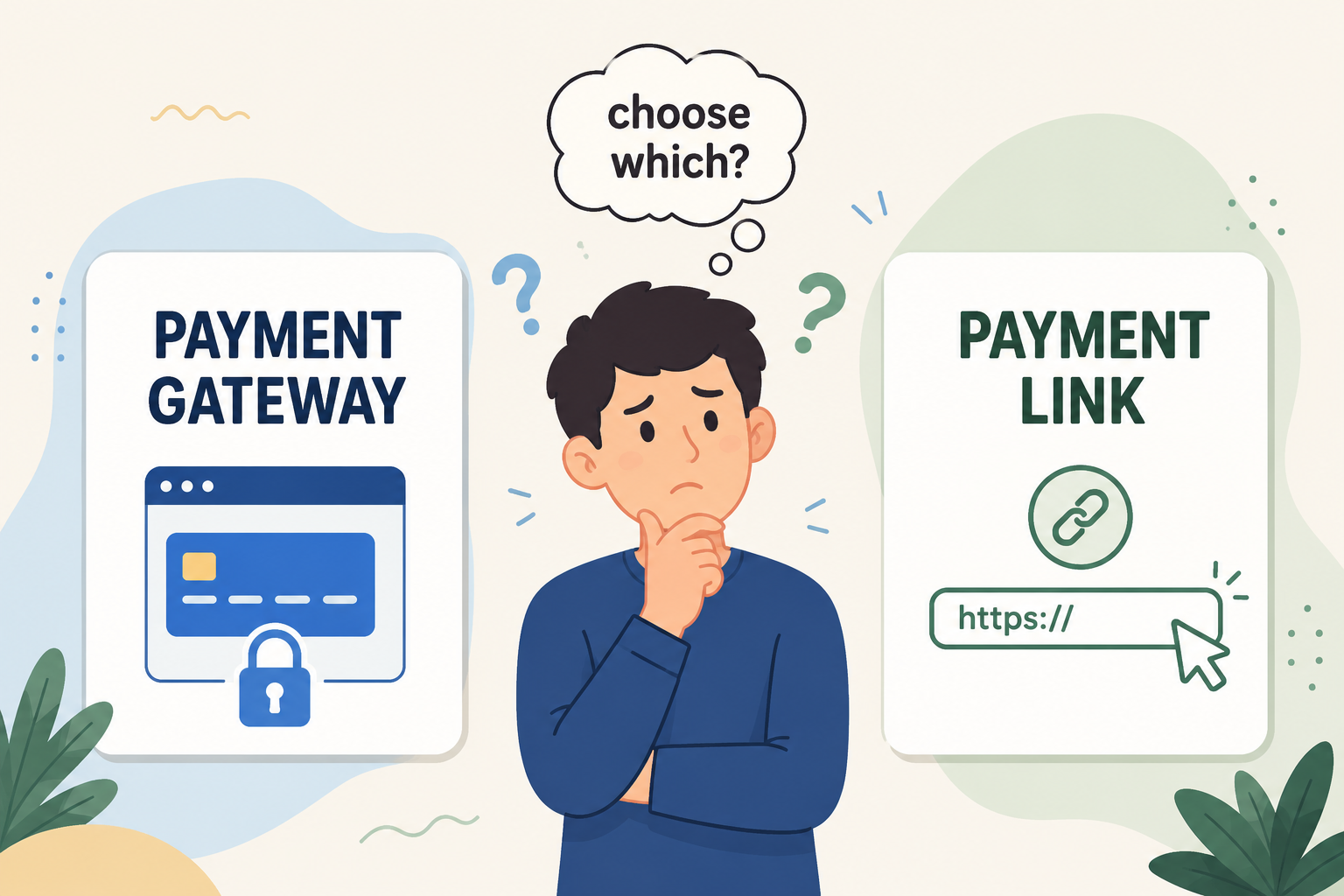
    1. What is the main difference between a Payment Gateway and a Payment Link?

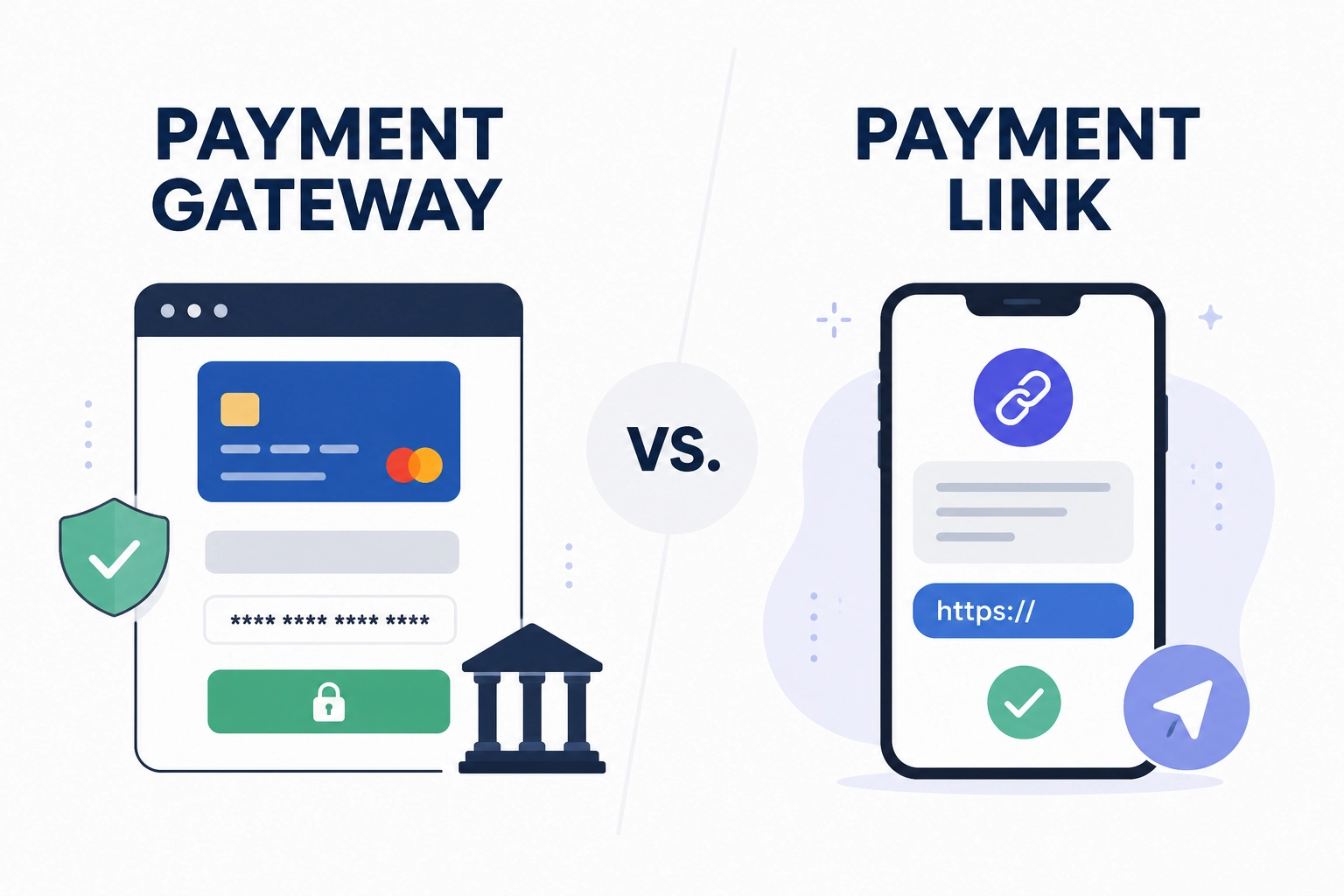
    A Payment Gateway integrates directly into online store checkout systems for automated processing, while a Payment Link is a standalone URL shared manually via chat or social media.

    2. Is a Payment Gateway necessary for small and medium businesses?

    Highly recommended once transaction volumes grow. It eliminates manual bank transfer checks, prevents fake receipt fraud, and speeds up fulfillment.

    3. What does Settlement mean in Payment Gateway operations?

    Settlement is the process where authorized customer funds cleared by banks are transferred into the merchant’s official business bank account.

    4. How do Payment Gateways protect customer financial data?

    They utilize SSL encryption, PCI DSS compliance standards, card tokenization, and multi-factor authentication (like OTP or 3D Secure) to eliminate breach risks.


  • Customer Retention Strategy with AI Agent: Save Costs & Time

    Customer Retention Strategy with AI Agent: Save Costs & Time

    Strategi Retensi Pelanggan dengan AI Agent: Hemat Biaya & Waktu

    Ringkasan Eksekutif & Value Proposition

    • Memaksimalkan Customer Lifetime Value (CLV): Mempertahankan pelanggan lama terbukti hingga 5x lebih hemat biaya dibandingkan akuisisi pelanggan baru.
    • Otomasi Follow-Up & Reaktivasi: Menggunakan AI Agent untuk tindak lanjut purna jual dan mengaktifkan kembali pelanggan pasif secara personal.
    • Efisiensi Operasional Ekstrem: Memangkas kebutuhan jumlah staf customer service hingga 75% tanpa mengorbankan kecepatan dan kualitas respons 24/7.
    • Penurunan Angka No-Show: Mengirimkan pengingat janji temu (appointment reminder) otomatis via WhatsApp Business API untuk meningkatkan keterhadiran.

    Retensi pelanggan adalah strategi bisnis jangka panjang yang bertujuan untuk mempertahankan pelanggan agar tetap loyal dan terus melakukan transaksi berulang. Dalam lanskap persaingan yang kian ketat, retensi pelanggan menjadi penentu utama kelangsungan dan pertumbuhan bisnis. Untuk perusahaan menengah ke atas, kebutuhan akan sistem yang mampu menjangkau pelanggan secara cepat dan efisien semakin mendesak.

    Teknologi AI Agent dari Cekat.ai hadir sebagai solusi transformasional. Dengan kecerdasan buatan yang mampu menangani interaksi pelanggan secara otomatis, personal, dan real-time, perusahaan dapat meningkatkan loyalitas pelanggan sekaligus menekan biaya operasional secara signifikan.

    Memahami Konsep Retensi Pelanggan dalam Konteks Bisnis

    Retensi pelanggan merujuk pada upaya sistematis perusahaan untuk mempertahankan hubungan jangka panjang dengan pelanggannya. Tidak hanya menjaga pelanggan tetap menggunakan produk atau jasa, retensi juga menyangkut usaha menciptakan pengalaman menyenangkan yang mendorong keterlibatan emosional.

    Dengan retensi yang tinggi, perusahaan dapat memaksimalkan nilai seumur hidup pelanggan (Customer Lifetime Value), mengurangi biaya akuisisi pelanggan baru (CAC), serta menciptakan komunitas pelanggan loyal yang secara aktif merekomendasikan brand.

    Mengapa Retensi Pelanggan Lebih Efektif daripada Akuisisi?

    Metrik Perbandingan Akuisisi Pelanggan Baru Retensi Pelanggan Lama (AI Agent)
    Biaya Operasional (Cost) 5x hingga 25x lebih mahal (iklan, promosi). Sangat efisien melalui automasi workflow.
    Peluang Penjualan (Closing Rate) Rendah (5% – 20% prospek baru). Tinggi (60% – 70% pembeli berulang).
    Pemahaman Nilai Produk Butuh edukasi panjang dari awal. Sudah paham dan memiliki kepercayaan merek.
    Umpan Balik (Feedback) Cenderung pasif atau skeptis. Memberikan masukan konstruktif & ulasan positif.

    Peran Strategis AI Agent Cekat.ai dalam Meningkatkan Retensi

    1. Personalisasi Otomatis Berbasis Data Interaksi

    AI Agent dari Cekat.ai dapat memproses ribuan data pelanggan untuk menghasilkan pesan personal yang relevan dengan kebutuhan masing-masing. Ini meliputi rekomendasi produk, pengingat layanan, dan penawaran khusus berdasarkan histori pembelian yang tercatat di sistem CRM.

    2. Auto Follow-Up: Menjaga Hubungan Tetap Aktif

    Salah satu fitur unggulan dari AI Agent Cekat.ai adalah kemampuannya dalam melakukan follow-up otomatis setelah interaksi atau transaksi pelanggan. AI akan mengirim pesan lanjutan untuk memastikan kepuasan, memberikan panduan penggunaan produk, hingga menawarkan pembelian ulang secara tepat waktu.

    3. Retargeting Chat untuk Pelanggan Pasif

    Retargeting adalah strategi untuk mengaktifkan kembali pelanggan yang tidak aktif. Dengan AI Agent, perusahaan dapat mengidentifikasi pelanggan yang jarang berinteraksi dan mengirimkan kampanye broadcast WhatsApp berisi diskon eksklusif, peluncuran produk baru, atau konten edukatif yang disesuaikan.

    4. Layanan Responsif 24/7 Tanpa Keterbatasan Waktu

    Pelanggan modern menginginkan respons instan kapan pun mereka menghubungi brand. AI Agent Cekat.ai memungkinkan bisnis menjawab pertanyaan pelanggan secara real-time di luar jam kerja melalui aplikasi omnichannel terpadu.

    5. Analisis Sentimen dan Umpan Balik Berbasis AI

    Cekat.ai tidak hanya bertugas menjawab, tetapi juga menganalisis setiap interaksi untuk mengidentifikasi kepuasan atau ketidakpuasan pelanggan. Sistem ini membaca nada bicara digital dalam teks untuk mendeteksi sentimen positif maupun negatif secara objektif.

    Studi Kasus Nyata: Dampak AI Agent Cekat.ai pada Retensi

    Nama Klien / Industri Tantangan Sebelum AI Hasil Setelah Menggunakan Cekat.ai
    Orange Dental (Klinik Gigi) Membutuhkan 12 staf CS untuk menangani percakapan dari 20+ cabang. Cukup 3 staf CS untuk mengelola 1.000+ chat/hari & konversi reservasi naik pesat.
    Vio Optical Clinic (Kesehatan Mata) Antrean pertanyaan produk dan jadwal konsultasi lambat direspons. Respons instan & akurat, meningkatkan skor kepuasan dan kunjungan ulang.
    Klinik Kesehatan Tingginya angka pasien batal hadir (no-show) pada jadwal janji temu. Pengingat otomatis meningkatkan kehadiran pasien hingga +30%.

    AI Agent Cekat.ai sebagai Pilar Strategi Retensi Modern

    Memasuki era otomatisasi dan personalisasi, AI Agent dari Cekat.ai menjadi alat yang sangat relevan dalam strategi retensi pelanggan. Dengan kemampuan melakukan personalisasi skala besar, auto follow-up, dan retargeting secara otomatis, perusahaan dapat menjaga interaksi pelanggan tetap hidup tanpa menambah beban kerja staf.

    Tingkatkan loyalitas pelanggan dan efisiensi operasional bisnis Anda sekarang bersama Cekat.ai.


    Frequently Asked Questions (FAQ)

    1. Mengapa strategi retensi pelanggan sangat penting untuk bisnis?

    Retensi pelanggan membantu menjaga pendapatan stabil, meningkatkan nilai seumur hidup pelanggan (CLV), dan jauh lebih hemat biaya dibandingkan mencari pelanggan baru dari awal.

    2. Bagaimana AI Agent membantu mengaktifkan kembali pelanggan pasif?

    AI Agent membaca histori transaksi di CRM dan mengirimkan pesan reaktivasi atau promosi yang terpersonalisasi secara otomatis pada waktu yang paling tepat.

    3. Apakah penggunaan AI Agent dapat mengurangi biaya operasional CS?

    Ya. Seperti pada studi kasus Orange Dental, tim CS dapat dikurangi dari 12 menjadi 3 orang saja untuk menangani 1.000+ chat per hari karena pertanyaan rutin ditangani oleh AI.

    4. Apakah AI Agent Cekat.ai bisa diintegrasikan dengan WhatsApp Business API?

    Sangat bisa. Cekat.ai terhubung langsung dengan WhatsApp Business API resmi dari Meta, memungkinkan pesan otomatis, broadcast tersegmentasi, dan layanan 24/7.


  • WhatsApp API 24-Hour Rule & Its Implications

    WhatsApp API 24-Hour Rule & Its Implications

    Executive Summary & Value Proposition

    • Cost Protection & Policy Compliance: Understand free-form messaging limits to prevent unexpected Meta session charges and compliance penalties.
    • Interactive 24-Hour Messaging Window: Leverage customer care windows to resolve support tickets, answer questions, and converse naturally without static templates.
    • Window-Aware Automation: Deploy context-aware AI Agents that automatically track remaining messaging window durations in real time.
    • Automated Template Fallback: Transition messaging flows smoothly to approved Meta templates once the 24-hour window expires.

    The WhatsApp API 24-hour rule often referred to as the 24-hour customer care window is one of the most critical mechanisms in the WhatsApp Business API platform. Ironically, it is also one of the most frequently misunderstood rules by business operators. Many organizations assume messages can be sent unconditionally at any time, when Meta actually enforces strict messaging limits that directly impact costs, automation flow architecture, and customer experience.

    This article comprehensively covers how the customer care window works, its technical implications for messaging workflows, and how enterprises can manage it strategically without violating official policies.

    What Is the WhatsApp API 24-Hour Rule?

    The 24-hour rule is an official policy stating that businesses may only send free-form messages (without pre-approved templates) within 24 hours of the user’s last delivered message.

    Key operational principles include:

    • The window is opened exclusively by the customer (user-initiated) upon sending a message.
    • The 24-hour timer resets every time the customer sends a new message.
    • The window closes automatically after 24 hours of customer inactivity.

    Once the window expires, businesses can no longer dispatch free-form messages and must use an approved Meta message template to re-engage the user.

    Understanding the Customer Care Window

    The customer care window provides high flexibility during active conversations to:

    • Answer customer inquiries and provide detailed product consultations.
    • Resolve technical support issues and account complaints.
    • Send contextual follow-up messages inside an omnichannel application.

    During an open window, dispatches require no template approvals or rigid formatting constraints. However, control remains entirely with the customer. If the user stops responding, the session expires regardless of whether the inquiry was fully resolved.

    Free Entry Points vs. Session Pricing

    The concept of a free entry point frequently arises in discussions regarding WhatsApp API pricing. It is important to clarify that free entry points do not mean messages are unconditionally free of charge.

    In practice, when a user initiates a conversation via click-to-WhatsApp ads or website widgets, the business gains access to the 24-hour messaging window. However, conversation charges still align with official Meta categories (Service, Utility, or Marketing).

    Direct Impact on Automation Flow Architecture

    Messaging Window Status Allowed Message Formats Automated System Action (Cekat.ai)
    Active Window (< 24 Hours) Free-form messages (text, media, audio, documents). Instant response dispatch via WhatsApp AI chatbot without template constraints.
    Expiring Window (± 23 Hours) Closing inquiries or open-ended prompts. Sends polite engagement prompts to encourage user replies and reset the session timer.
    Closed Window (> 24 Hours) Approved Meta Message Templates only. Reroutes dispatches to automated follow-up templates to request new session re-engagement.

    Common Business Mistakes Regarding the 24-Hour Rule

    • Assuming Bot Responses Reset the Timer: Automated AI or human agent replies do not reset the 24-hour timer; only inbound user messages reset the clock.
    • Sending Non-Template Reminders After Expiration: Attempting free-form dispatches on closed windows results in API delivery failures and degrades quality ratings.
    • Failing to Track Message Timestamps: Lacking synchronization with a CRM platform leaves support agents unaware of exact session expiration times.

    Optimize Your 24-Hour Window Management with Cekat.ai

    The WhatsApp API 24-hour rule is not an operational roadblock—it is a framework designed to foster faster, more disciplined customer service communication.

    Cekat.ai empowers enterprises to navigate the 24-hour rule with complete policy compliance. Featuring window-aware AI Agents, Cekat.ai manages free-form to template transitions automatically via intelligent workflow automation.

    Streamline your WhatsApp Business API operations today with Cekat.ai.


    Frequently Asked Questions (FAQ)

    1. Do automated Chatbot replies extend the 24-hour customer care window?

    No. Only messages sent by the customer reset the 24-hour messaging window. Automated bot responses or human agent messages do not reset the session timer.

    2. What happens if a business sends a non-template message after the 24-hour window closes?

    The Meta API will reject the payload, resulting in a delivery failure. Repeated attempts to send non-template messages on closed sessions can degrade your phone number quality rating.

    3. How can a business message a customer after the 24-hour window has expired?

    The business must dispatch an approved Meta Message Template (such as a Utility or Marketing template) to initiate a new conversation session.

    4. How does Cekat.ai help manage 24-hour session limits?

    Cekat.ai tracks session duration automatically. The system alerts agents when a window is about to expire and automatically routes post-24-hour dispatches through approved Meta templates.


  • Guide to Choosing a CRM for WhatsApp-Driven Businesses: 8 Key Criteria

    For many businesses in Indonesia, WhatsApp is not just a communication channel. WhatsApp is where customers ask questions, compare products, request recommendations, follow up, and ultimately make purchasing decisions. Because of this, choosing a CRM for a WhatsApp business cannot be treated the same as choosing an ordinary CRM.

    A CRM that looks complete on paper is not necessarily suitable for a business where most interactions happen through chat. If a CRM is only strong at recording data but weak at capturing conversation context, the sales team will still end up working manually. Chats get scattered, follow-ups are delayed, customer history is not fully readable, and closing opportunities can be lost simply because the system does not follow how customers actually interact.

    At Cekat.AI, we see that WhatsApp-based businesses need a CRM built from conversations, not just from forms, pipelines, or spreadsheets. Here are 8 key criteria to consider before a business owner chooses a CRM for a business whose primary channel is WhatsApp.

    1. Native WhatsApp API Integration, Not Just an Add-on Connection

    The first criterion to check is whether the CRM has native WhatsApp API integration. This matters because businesses that rely on WhatsApp need a connection that is stable, scalable, and suited to operational needs, not just a bolt-on integration that merely forwards messages to a dashboard.

    Native WhatsApp API helps businesses handle larger chat volumes, route conversations to the right team, run template messages, and keep the communication flow organized. For growing businesses, this becomes an important foundation because the more customers come in, the greater the risk of losing conversations if the system is not truly ready from the start.

    A native WhatsApp CRM should not force the team to switch back and forth between a chat app and a record-keeping app. Conversations, customer status, and sales activity need to live within a single workflow that is easy to monitor.

    2. Conversation History Directly Linked to the Customer Profile

    In chat-based businesses, conversation history is an asset. Customers often do not buy in a single interaction. They ask today, compare tomorrow, then return a few days later once they are ready to decide.

    Because of this, a CRM for a WhatsApp business must be able to store complete conversation history within the customer profile. The team should not only see a name and phone number, but also the context: what has been asked before, which products are of interest, what objections came up, whether an offer has already been sent, and when the last follow-up happened.

    Without a well-organized conversation history, every agent or salesperson has to start from scratch. As a result, customers feel unrecognized, the closing process slows down, and the brand experience feels inconsistent.

    3. Automatic AI Tagging from Chat Content

    The larger the chat volume, the harder it becomes for the team to tag customers manually. This is where AI tagging becomes one of the important criteria in choosing a CRM for a WhatsApp business.

    AI tagging helps read conversation content and group customers based on specific context, such as product interest, urgency level, location, purchase stage, complaints, repeat order potential, or follow-up needs. With automatic tagging, the team can more quickly prioritize customers who are most ready to be helped or closest to a purchase decision.

    For business owners, tagging is not just an administrative feature. Tagging is a way to understand the demand coming in through conversations. From there, businesses can see patterns in customer needs, the most frequently asked questions, the most sought-after products, and revenue potential that was previously hidden within the chats.

    4. Mobile-First Interface for Field Sales

    Not every sales team works in front of a laptop. Many businesses in Indonesia have field sales, branch teams, reseller managers, or operational teams that more often use a phone. Because of this, the CRM chosen must be mobile-first, not just a desktop system forced onto a small screen.

    A mobile-first interface helps sales read chats, update customer status, view history, add notes, and follow up quickly from anywhere. This matters for businesses with fast-moving sales processes, such as distribution, retail, automotive, property, education, healthcare, and appointment-based services.

    If a CRM is hard to use on mobile, the team tends to revert to old habits: recording things manually, keeping their own numbers, or relying on memory. In the end, customer data becomes scattered again and the business owner loses visibility into sales activity.

    5. Integration with Local Marketplaces

    For many Indonesian businesses, the customer journey does not stop at WhatsApp. Customers may ask questions on WhatsApp, compare products on a marketplace, see a promo on Instagram, then come back to WhatsApp to confirm details before buying.

    Because of this, an ideal CRM needs to consider integration with local marketplaces, or at least be able to support operational workflows connected to those sales channels. The goal is not just to unify channels, but to help businesses understand the relationship between conversations and transactions.

    When a CRM is not connected to the sales ecosystem a business uses, the team will struggle to see the customer as a whole. The customer appears as a chat in one place and an order in another, even though both are part of the same journey.

    6. Reasonable Per-Seat Pricing for Team Scale

    A good CRM should be able to grow with the business. One common obstacle is per-seat pricing that becomes too expensive, especially as a business starts adding admins, sales staff, customer service, or branch teams.

    Business owners need to check whether the CRM’s pricing structure makes sense for day-to-day operational needs. Do not judge only by the starting price, but also by the cost as the number of users grows, channel needs increase, chat volume rises, or automation features start being used more seriously.

    A CRM for a WhatsApp business should help the team work more efficiently, not make the business hesitant to add users because seat costs are too heavy. Healthy pricing makes adoption easier, because everyone who needs to be involved in the customer journey can join the same system.

    7. Indonesian Language Support in the Product and Its Usage

    For Indonesian businesses, Indonesian language support is not a small thing. A CRM that uses overly technical or unfamiliar terms often makes the team take longer to adapt.

    Indonesian language support makes onboarding, training, daily use, and internal communication easier. The team can understand conversation status, workflow instructions, customer labels, message templates, and reports without having to translate their business context into unfamiliar terminology.

    This becomes even more important if the CRM is used by cross-functional teams, not just the digital or marketing team. Admins, sales, supervisors, branch teams, and owners all need to be able to read the system quickly so the CRM is actually used, not just purchased.

    8. Responsive Local Support SLA

    A CRM is an operational system. If there is disruption, delay, or confusion in its use, the impact can be felt directly by customers. Because of this, a local support SLA is an important criterion, especially for businesses that rely heavily on WhatsApp as their main channel.

    Local support helps businesses get assistance that is more relevant to the market context, language, working hours, and operational needs in Indonesia. When there are issues with setup, message templates, routing flows, integrations, or feature usage, the team needs a partner who can respond quickly and understand the urgency of the business.

    For business owners, choosing a CRM is not just choosing software. It is also choosing an operational partner that will help determine how smoothly the team serves customers every day.

    The Right CRM Must Follow How Customers Buy

    A common mistake when choosing a CRM is focusing too much on features while forgetting customer behavior. For businesses that rely on WhatsApp, customers do not move through a neat, orderly flow. They ask questions, disappear, come back, compare prices, request recommendations, then need a fast and relevant follow-up.

    The right CRM must be able to capture that dynamic. Not just storing customer data, but also connecting conversations, context, sales activity, automation, and business visibility within a single system.

    That way, the CRM is no longer just a place to enter data after a conversation ends. The CRM becomes an active part of the revenue process: helping the team respond faster, understand customers better, and keep opportunities from being lost amid the volume of incoming chats.

    Cekat.AI: A CRM Built for WhatsApp-Based Businesses

    Cekat.AI is designed for businesses that place WhatsApp and conversations at the center of the customer journey. We help businesses unify chat, CRM, automation, AI, and analytics so every customer interaction can be handled in a more organized, faster, and more measurable way.

    With Cekat.AI, businesses can manage conversations from WhatsApp and other channels in a single dashboard, store customer history, get automatic tagging support, support the work of sales and customer service teams, and gain clearer visibility into the customer journey from inquiry to revenue opportunity.

    If your business is evaluating a CRM, do not just look for a system that can store data. Look for a CRM that understands how Indonesian customers actually interact, ask questions, compare, and buy through WhatsApp.

    Build a CRM system that is more ready for WhatsApp-based businesses with Cekat.AI.

  • WhatsApp Business API Indonesia 2026: Complete Guide from Registration to Activation

    WhatsApp Business API Indonesia 2026: Complete Guide from Registration to Activation

    Key Advantages

    • Implementing the WhatsApp Business API slashes customer response SLAs by automating FAQ replies, order confirmations, and delivery updates via 24/7 AI Agents.
    • Enterprise WhatsApp Business API systems boost support team productivity using Multi-Agent/Multi-Device features that allow dozens of agents to handle one official number concurrently.
    • Deploying the WhatsApp Business API guarantees business account safety from Meta ban risks by leveraging official Business Solution Provider (BSP) integration pipelines.
    • WhatsApp Business API integration strengthens brand credibility with Green Tick verification and direct connectivity to CRM systems and Omnichannel Inboxes.

    The WhatsApp Business API is Meta’s official application programming interface designed for mid-market and enterprise businesses to manage high-volume customer interactions centrally.

    Unlike standard mobile WhatsApp applications, the API version empowers enterprises to connect their official business numbers to third-party platforms operated by official Business Solution Providers (BSPs) such as Cekat.ai. This unlocks seamless integrations with CRM software, e-commerce databases, AI chatbots, and omnichannel support inboxes.

    Core Functions of the WhatsApp Business API:

    • High-Volume Conversation Management: Manages thousands of daily inbound chats without performance degradation or system crashes.
    • Single Number Multi-Agent Access: A single official WhatsApp number can be accessed by dozens of sales and support agents concurrently from dedicated dashboards.
    • Automated Transactional Notifications: Dispatches automated updates such as shipping receipts, checkout confirmations, payment reminders, and OTP security codes.
    • AI Chatbot & Workflow Automation: Resolves Tier-1 support queries independently using Natural Language Processing (NLP).
    • Mass Broadcast Campaigns (Official WhatsApp Blast): Dispatches promotional messages to customers legally and structurally in full compliance with Meta policies.

    Comparison: Standard WhatsApp vs. WhatsApp Business App vs. WhatsApp Business API

    Many business owners remain confused regarding WhatsApp service tiers. The following comparison table details the fundamental differences:

    Feature / Dimension Standard WhatsApp WhatsApp Business App WhatsApp Business API
    Target User Personal / Individuals Small Micro-Businesses (MSMEs) Mid-Market & Enterprise Businesses
    Device Limits Max 4 Linked Web Devices Max 4 Linked Web Devices Unlimited Devices (Multi-Agent)
    Messaging Capacity Low Volume Restricted (Manual) Extremely High (Thousands/Day)
    Automation Capabilities None Quick Replies & Greeting Messages AI Chatbots & Cross-System Workflows
    System Integration None Limited Connects to CRM, ERP, & Omnichannel
    Branding Verification None Standard Business Profile Official Green Tick Verification
    Analytics & Reporting None Basic Message Stats Real-Time Analytics & CS Dashboards

    How to Register for the WhatsApp Business API

    The WhatsApp Business API registration process is not completed through mobile app stores, but through Meta’s official Business Solution Providers (BSPs).

    Here are the four general steps to register your business:

    1. Prepare Legal Business Documentation

    Organizations must prepare official corporate registration documents for verification, including:

    • Official Company Name (Corporation/Inc/LLC)
    • Business Identification Number or Tax ID (NPWP/NIB)
    • Official Business Website & Company Profile
    • Utility Bills (Electricity/Telephone) matching the corporate address

    2. Meta Business Manager Verification

    Every enterprise must undergo Meta Business Verification via the Meta Business Manager portal. This step validates that the business entity is legitimate and operating legally.

    3. WhatsApp Phone Number Registration & Verification

    The registered phone number must meet specific requirements:

    • Must not be currently registered on personal or mobile WhatsApp apps (or must be deleted/unregistered first).
    • Must be capable of receiving SMS or voice calls to complete OTP verification code delivery.

    4. BSP Platform Activation & System Integration

    Once approved by Meta, the WhatsApp API number is activated on a BSP platform like Cekat.ai. Your team can immediately configure Unified Inboxes, build AI Chatbot workflows, and schedule broadcast campaigns.

    WhatsApp Business API Pricing & Cost Structure (2026 Update)

    WhatsApp Business API pricing operates under a Conversation-Based Pricing model established officially by Meta. Costs are calculated per 24-hour conversation session rather than per individual message bubble dispatched.

    1. Meta Conversation Fees

    Meta categorizes conversation sessions into four main types:

    • Marketing Conversations: Promotional offers, targeted deals, or catalog updates.
    • Utility Conversations: Order notifications, delivery updates, and transaction alerts.
    • Authentication Conversations: One-Time Passwords (OTPs) and account security logins.
    • Service Conversations: User-initiated inquiries when customers contact customer support.

    2. Provider Platform Subscription Fees (BSP)

    In addition to Meta official rates, platform providers (BSPs) charge subscription fees for software features, including:

    • Omnichannel Inbox Platform Licensing
    • Additional CS Agent Seat Charges
    • AI Chatbot Engine & System Integration Modules

    Guide to Selecting a WhatsApp API Provider (BSP)

    Choosing the right Business Solution Provider is critical for communication automation success. Key considerations include:

    1. Fee Structure Transparency: Ensure there are no hidden charges added to Meta conversation rates or platform software subscriptions.
    2. Local Technical Support: Responsive technical support teams simplify Meta verification steps and daily troubleshooting.
    3. No-Code & Omnichannel Integration: The BSP platform should easily connect to other touchpoints like Instagram DM, Email, and Web Live Chat.
    4. Green Tick Assistance Services: Providers should guide your Official Green Tick application process until approved by Meta.

    Cekat.ai provides comprehensive WhatsApp Business API solutions combining an Omnichannel platform, automated AI Agents, and dedicated local onboarding support.

    FAQ: Frequently Asked Questions About the WhatsApp Business API

    1. What is the WhatsApp Business API?

    The WhatsApp Business API is Meta’s official communication interface allowing enterprises to manage thousands of customer chats automatically, integrate with CRMs, and grant multi-agent access on one number.

    2. Is the WhatsApp Business API free?

    Meta does not charge an API setup fee, but enforces Conversation-Based Pricing per 24-hour session. Additionally, software subscription fees apply from BSP platform providers.

    3. How long does the WhatsApp API account verification process take?

    When legal documentation (Tax ID/Corporate ID) is complete, Meta Business Manager verification and number activation typically take between 2 to 7 business days.

    4. Can an existing WhatsApp number be registered to the API system?

    Yes. However, the number must first be deleted (account deleted) from the mobile WhatsApp application before connecting to the API platform.

    5. Is the WhatsApp Business API safe from account bans?

    Yes, extremely safe. Operating through official Meta API endpoints protects your business number from automatic bans as long as content complies with Meta messaging policies.

    Build Professional Business Messaging with Cekat.ai

    Implementing the WhatsApp Business API represents a strategic investment to elevate customer satisfaction, accelerate sales conversions, and reduce operational costs.

    With Cekat.ai, navigate Meta registration smoothly, activate AI Chatbot capabilities, and manage all customer conversations from a unified omnichannel dashboard.

    Consult your business messaging needs & Try the Cekat.ai Demo Today!


  • Types of WhatsApp API Conversations & Their Impact on Cost

    Types of WhatsApp API Conversations & Their Impact on Cost

    In the WhatsApp Business Platform ecosystem, messaging costs are not calculated per message, but based on the type of conversation occurring between the business and the customer. This model is known as conversation-based pricing—an approach that’s often misunderstood because it looks simple, but carries major strategic implications for cost structure, automation design, and customer experience.

    This article breaks down the four types of WhatsApp API conversationsservice, utility, marketing, and authentication—and their impact on cost, template approval, and business operational strategy.

    What Is a WhatsApp API Conversation?

    A conversation is a 24-hour interaction session between a business and a customer. A conversation begins when:

    • the business sends a template message, or

    • the business replies to a customer message within an active 24-hour window.

    As long as this window remains open, the business can send follow-up messages at no additional cost, as long as it stays within the same conversation category.

    This is where many misconceptions arise:

    “As long as it’s within 24 hours, all messages are free.”
    Not entirely true. The conversation category still determines how the cost is calculated.

    1. Service Conversation (User-Initiated)

    A service conversation occurs when the customer initiates the conversation first—for example, asking about order status, operating hours, or a service issue.

    Key characteristics:

    • Initiated by the user

    • No template required at the start

    • Generally the lowest cost

    • Ideal for customer support and inbound inquiries

    Cost implications:
    If a business can encourage customers to start the chat first, most follow-up communication will fall under the more cost-efficient service conversation category.

    Common mistake:
    Assuming all automated CS replies are always free—when in fact, if a business sends a template outside the context of user-initiation, the category can change.

    2. Utility Conversation (Transactional & Notifications)

    A utility conversation is used for important, contextual information, such as:

    • order confirmations

    • shipping updates

    • payment reminders

    • schedule changes

    These messages are informational, not promotional.

    Key characteristics:

    • Uses pre-approved templates

    • Relevant to a user’s transaction or activity

    • Must not contain promotional content

    Cost implications:
    Utility conversation costs are lower than marketing, making it well-suited for large-scale automation like order management and system notifications.

    Critical point:
    One extra promotional sentence can get a utility template rejected or reclassified as marketing—directly affecting cost.

    3. Marketing Conversation (Outbound & Promotional)

    Marketing conversation covers messages aimed at:

    • product promotion

    • discount offers

    • retargeting campaigns

    • upsell & cross-sell

    Key characteristics:

    • Always uses a template

    • Outbound in nature

    • The highest cost among all categories

    Cost implications:
    Marketing messages aren’t just about higher rates, but also carry:

    • low engagement risk

    • potential for user block/report

    • declining account quality rating

    Strategic mistake:
    Using marketing conversation for messages that could actually be packaged as utility or service—this often causes costs to balloon without clear ROI.

    4. Authentication Conversation (Security & Verification)

    Authentication conversation is used specifically for:

    • OTP

    • login verification

    • identity confirmation

    Key characteristics:

    • Highly structured

    • No additional content allowed

    • Usually short and one-directional

    Cost & technical implications:
    Despite high volume, authentication conversation is designed for system efficiency and security, not engagement. Misusing this category almost always results in template rejection.

    Quick Comparison of Conversation Types

    Conversation Type

    Main Purpose

    Initiator

    Relative Cost

    Miscategorization Risk

    Service

    Support & inquiry

    User

    Low

    Low

    Utility

    Transaction information

    Business

    Medium

    Moderate

    Marketing

    Promotion & campaigns

    Business

    High

    High

    Authentication

    Verification

    System

    Controlled

    Very High

    Strategic Insight: Why Is This Classification Crucial?

    Many businesses assume that WhatsApp API costs are inherently expensive. In reality, the problem is often not the platform itself, but rather:

    • poorly designed conversation flows

    • miscategorized templates

    • automation that doesn’t understand context

    With proper conversation mapping, businesses can:

    • significantly reduce costs

    • improve deliverability

    • keep the customer experience relevant

    WhatsApp API conversation types aren’t just technical labels—they’re the foundation of communication strategy and cost efficiency. Understanding the difference between service, utility, marketing, and authentication helps businesses make more precise decisions: when to automate, when to go human, and when promotion actually makes sense.

    Without this understanding, the WhatsApp API can easily feel expensive. With the right understanding, it’s actually the opposite—it becomes one of the most efficient and measurable channels available.

    If your business wants to leverage the WhatsApp API without falling into unnecessary costs, Cekat.AI helps design AI-based conversation flows that intelligently distinguish between service, utility, marketing, and authentication. With an AI-first approach, Cekat.AI ensures every conversation runs under the right category—more cost-efficient, more relevant to customers, and ready to scale for long-term business growth.